
Introduction to Football Kits: A Cultural Icon
Football kits have transcended the realm of mere sports apparel to become symbols of identity, cultural significance, and almost ritualistic enthusiasm within the football community. They embody the essence of football fandom, uniting supporters under a common banner while also acting as a canvas showcasing the evolution of design and technology within the sport. As a fan, investing in football kits is not just about fashion; it’s about pride, legacy, and emotional connection to one’s team.
The Evolution of Football Kits
The journey of football kits dates back to the late 19th century when players wore simple, often mismatched clothing. Over the decades, the evolution has been marked by changing social norms, advances in textile technology, and the growing commercial appeal of football. Initially, kits began with heavy woolen materials, which were not only uncomfortable but also impractical for the dynamic nature of the game. As time progressed, lighter, breathable fabrics were introduced, allowing players more freedom of movement.
In the 1960s and 70s, clubs began to recognize the commercial potential of branding, leading to the incorporation of logos and sponsor names on kits. The 90s witnessed a boom in colorful designs and unique patterns, making football kits a significant aspect of pop culture. Today, the fusion of technology has further propelled this evolution, with teams now focusing on aerodynamics, moisture-wicking materials, and enhanced flexibility to improve on-field performance.
Why Football Kits Matter to Fans
For fans, football kits represent more than just a uniform; they are a form of expression. Wearing a team’s kit can signify loyalty and affiliation, fostering a sense of belonging within a larger community. The emotional connection can be traced to moments of triumph, heartache, and the shared experience of supporting a club through good and bad times.
Furthermore, kits often serve as a tangible link to the history of a club, encapsulating eras of success and iconic matches. Collecting vintage or limited-edition kits has become a popular hobby, with many fans viewing them as merchandise that appreciates in value over time. The excitement of unveiling a new season’s kit can even rival that of a new signing, as fans eagerly anticipate the design and the story behind it.
Understanding Kit Quality and Material
The quality of a football kit can significantly affect a fan’s experience, both on and off the pitch. Fabrics play a crucial role in defining comfort, durability, and performance. Key materials often include polyester blends designed to be lightweight and moisture-wicking, allowing players to perform at their best. Premium kits might utilize advanced knitting technologies that enhance stretch and breathability.
Moreover, the finish of a kit can impact its lifespan; heat-pressed logos versus embroidered ones can signify differences in quality. As a fan, understanding these subtle distinctions can help make informed purchasing decisions, ensuring that you’re investing in a product that matches your expectations.
Popular Types of Football Kits
Home, Away, and Third Kits Explained
Football teams typically unveil multiple kits each season, with the home kit often featuring the team’s traditional colors and design elements. This kit is usually worn during home games, acting as a symbol of pride for local fans. Conversely, away kits are developed with contrasting colors to avoid confusion during matches against other teams. Third kits may be introduced to provide further variety and are often used for special occasions or to pay homage to club traditions.
Each kit serves specific purposes, and clubs often tailor their designs to reflect their identity, history, and the influence of current fashion trends. This variety allows fans multiple options to showcase their allegiance while actively participating in the narrative of the club’s heritage.
Authentic vs. Replica Football Kits
When purchasing a football kit, fans often face the choice between authentic and replica versions. Authentic kits are designed to match those worn by players on the field, typically made with superior materials and featuring advanced technology for enhanced performance. These kits might also come with the same details—like club badges and sponsorship logos—that players wear, making them highly regarded among dedicated supporters.
Replica kits, on the other hand, are designed for customer use and generally have a more accessible price point. While they provide fans the chance to support their teams, they often lack the advanced features of authentic kits and may employ simpler materials. Knowing the differences can aid fans in selecting the right kit based on their needs, whether for collecting, wearing casually, or competitive play.
Seasonal Variations in Football Kits
Football kits are often refreshed with each new season, showcasing the latest trends and styling preferences. Clubs frequently release new designs to keep the inventory exciting and cater to fans who look forward to wearing the freshest kits. These seasonal variations can also be an avenue for clubs to experiment with unique designs, such as incorporating cultural symbols or references to local heritage.
Moreover, limited editions or ‘special’ kits may be released to commemorate anniversaries, charity events, or other unique occasions. These kits often become collectible and are a way for fans to own a piece of their club’s history. The anticipation surrounding the unveiling of new designs can create a buzz that adds to the overall experience of fandom every season.
Key Features to Look for in Football Kits
Important Fabric Technologies
When selecting a football kit, understanding the importance of fabric technology is crucial. Major manufacturers have invested extensively in developing materials that enhance performance, including moisture-wicking fabrics that draw sweat away from the body and temperature-regulating technologies that help keep athletes cool during vigorous activity.
Additionally, some kits are engineered with four-way stretch capabilities, allowing for a wider range of motion. High-quality stitching and finishes protect against wear and tear, ensuring the longevity of the kit. Familiarizing oneself with these technologies can help fans make choices that best serve their needs, whether it’s for play or casual wear.
Fit and Comfort: Finding the Right Size
Fit is paramount when selecting a football kit. The right size allows for optimal comfort and movement, ensuring fans feel good wearing their kit, whether at a game or out and about. Most manufacturers provide sizing charts based on regular measurements, but body types can vary widely. Thus, considering how a kit falls in relation to one’s personal dimensions—particularly around the shoulders and torso—is essential.
Many fans prefer a loose fit for casual wear while opting for snugger fits for performance. Trying on various styles and sizes may help identify the best personal fit. Innovation in sizing options, allowing for more custom versions, also empowers fans to find a configuration that suits them perfectly.
Design Choices: Customization and Personalization
The modern football kit market has embraced personalization, offering fans the ability to customize their jerseys with names, numbers, and additional design elements. For many supporters, displaying a favorite player’s name or their own name on a kit creates a deep personal connection and elevates the kit-wearing experience.
Clubs also frequently release regionally themed kits, often incorporating local iconography or cultural motifs, giving an extra layer of connection for fans. The appeal of these personalized features not only drives sales but fosters community, as fans celebrate shared connections through their individual expressions of support.
Where to Buy Quality Football Kits
Top Online Retailers for Football Kits
The rise of e-commerce has transformed how football fans acquire their favorite kits. A variety of online retailers offer extensive selections that often include exclusive editions and hard-to-find sizes. Online platforms not only provide comparative pricing but also allow fans to read reviews and ratings before making a purchase.
When shopping for kits online, exploring different retailer options can yield the best results. Specialized football shops and major sports retailers often feature the latest releases along with information about authenticity to ensure fan satisfaction. Comparing offerings from various sites arms shoppers with knowledge about trends and availability, helping them find exactly what they need.
Physical Stores: What to Expect
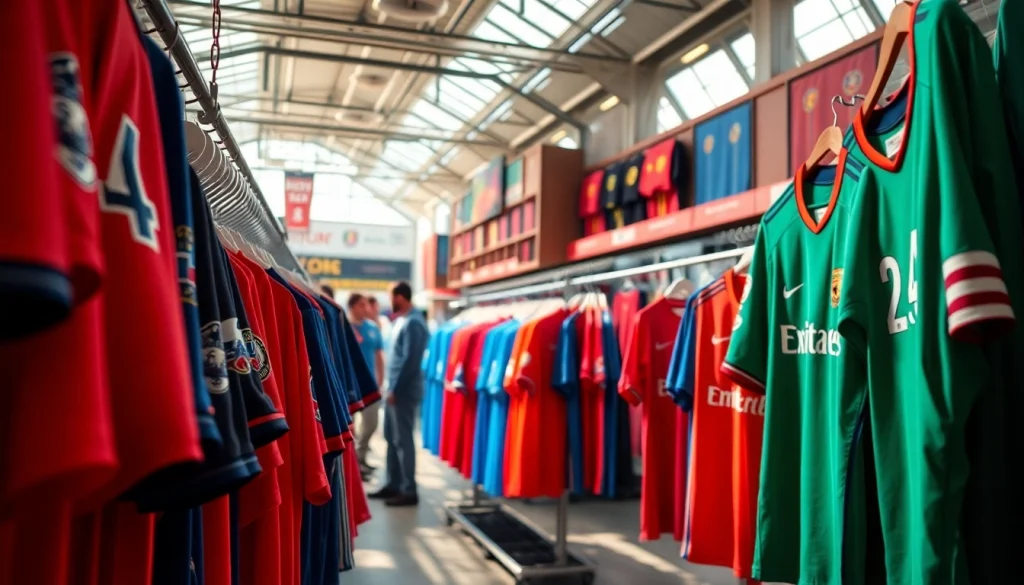
For those who prefer the tactile experience of shopping, physical stores present an opportunity to feel out the fabric, inspect stitching quality, and try on kits before purchasing. Many clubs have official stores or partner retailers that stock current kits as well as a selection of merchandise themed around past seasons.
Visiting a physical store can also unlock exclusive local deals or promotions, allowing fans to connect with fellow supporters in person. Store staff often possess extensive knowledge of the club’s history and culture, offering insights that can enrich the overall shopping experience.
How to Identify Authentic Retailers
As the demand for football kits continues to rise, awareness of counterfeit products increases. Recognizing authentic retailers is paramount to ensuring you receive a legitimate product. Key indicators of authenticity include the presence of official branding, quality of materials, and adherence to the standard prices set by the manufacturer.
Many clubs also provide a list of official stockists on their websites, offering fans a valuable resource for locating trustworthy sellers. Always check for customer reviews and return policies when shopping at new or unfamiliar sites to protect against counterfeit products and dissatisfaction.
Future Trends in Football Kits
Sustainable Practices in Kit Production
As environmental concerns gain momentum globally, the football industry is responding with sustainable practices in kit production. Many clubs are partnering with manufacturers committed to using eco-friendly textiles and sustainable sourcing methods for materials. This shift towards green practices not only reflects the values of modern consumers but also serves to attract a conscientious fanbase.
Innovations such as recycled fabrics and sustainable dyeing techniques are making waves. The move towards sustainability presents an opportunity for clubs to differentiate themselves and appeal to fans looking for more than just a product but a message of responsibility and stewardship for the planet.
Technological Innovations in Football Kits
The intersection of technology and sportswear continues to shape the future of football kits. Innovations such as integrated wearable technologies are being explored, enabling performance tracking and biometric feedback. This development caters especially to the competitive side of football, allowing players to gather detailed insights on their physical outputs during matches.
Additionally, augmented reality (AR) and virtual reality (VR) might influence the shopping experience, providing fans with new ways to experience football kits. These technologies could allow for virtual try-ons or immersive explorations of the history behind specific kits, ultimately enhancing the consumer experience in ways previously thought unfeasible.
Fan Engagement: Collaborations and Special Editions
Clubs now recognize the importance of fan engagement in the design process, leading to special edition kits that resonate with the community. Collaborations with artists, fashion designers, and local cultural icons can result in unique kits that reflect the soul of the club while attracting broader attention from non-traditional fans.
Special edition kits launched around significant anniversaries or social causes can foster a deeper emotional connection with a club. The collaborative nature of these kits fosters a spirit of inclusivity and community involvement, resonating with existing fans while drawing in new supporters. Consistent discussion surrounding such releases amplifies the excitement and anticipation that surrounds new launches.