
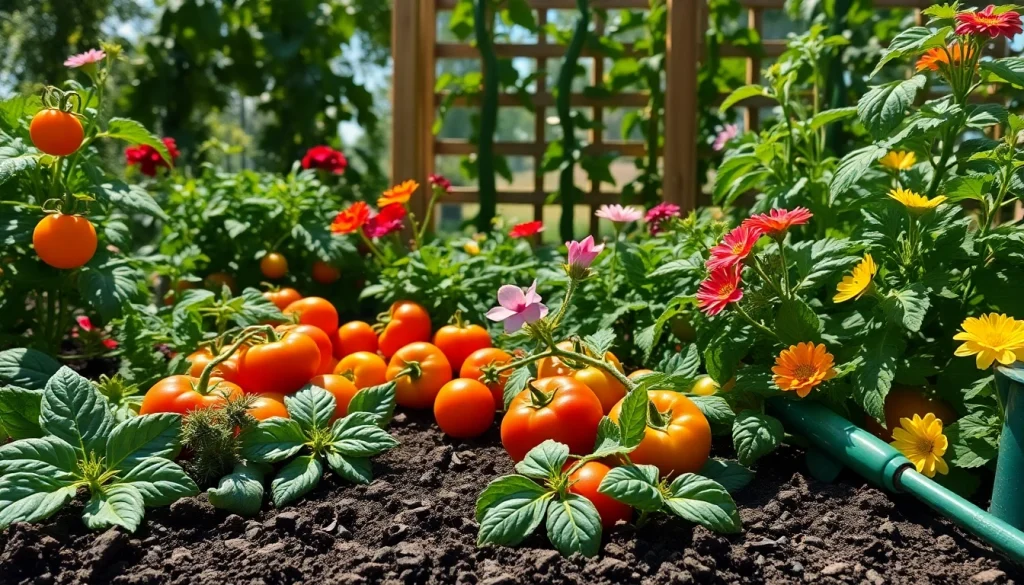
Understanding Gardening
What is Gardening?
Gardening is much more than just planting seeds in the ground; it is a multidisciplinary process that involves the cultivation of plants for aesthetic and functional purposes. It encompasses growing fruits, vegetables, herbs, flowers, and ornamental plants. While some view gardening simply as a hobby, others embrace it as a form of artistry or a sustainable practice. The experience of nurturing plants and watching them flourish according to their nature fosters not only satisfaction but also a deeper connection with the environment. To delve into the world of Gardening is to embark on a journey of learning, exploration, and growth.
Importance of Gardening for Well-being
Gardening has been shown to benefit mental and physical health in myriad ways. Engaging with soil and plants can reduce stress and promote a sense of peace and tranquility. Studies indicate that spending time in natural environments, particularly gardens, can lower cortisol levels, a hormone associated with stress. Moreover, the physical activity that gardening entails—digging, planting, watering, and weeding—provides an excellent form of exercise, improving cardiovascular health, strength, and flexibility.
Additionally, gardening contributes to community well-being. Community gardens foster social interactions, enabling people to come together, share knowledge, and cultivate a shared space. This sense of community reinforces social ties and expands networks of support, which can further enhance happiness and reduce feelings of isolation.
Different Types of Gardening Techniques
There are numerous gardening techniques suited for various environments and preferences. From traditional in-ground bed gardening to innovative approaches, the diversity of methods is boundless:
- Container Gardening: Perfect for limited spaces, containers allow for growing plants on balconies, patios, or small gardens.
- Raised Bed Gardening: Utilizing elevated beds, this method improves drainage, access, and soil quality while minimizing the need for bending over.
- Vertical Gardening: Ideal for saving space, vertical gardens use walls or trellises, supporting plants upwards rather than outwards.
- Hydroponics and Aquaponics: These innovative systems grow plants with nutrient-rich water, often in combination with sustainable fish farming.
- Permaculture: A holistic approach focused on sustainable gardening, it works with natural ecosystems to design gardens that require minimal input while yielding maximum results.
Essential Tools for Gardening
Basic Gardening Tools Needed
Starting with the right tools equips gardeners for effective plant cultivation. Here are some essential tools every gardener should consider having:
- Hand Tools: Trowels and hand forks for digging and planting are basic necessities for preparing the soil.
- Pruners and Shears: These are vital for trimming plants, ensuring healthy growth and removal of dead or diseased parts.
- Rakes and Hoes: Useful for soil preparation, these tools aid in leveling and aerating soil.
- Watering Equipment: Hoses, watering cans, or drip irrigation systems are crucial for providing adequate moisture.
- Gardening Gloves: Protecting hands from thorns, soil, and injuries while performing various gardening tasks.
How to Choose the Right Equipment
Selecting the right gardening tools can amplify efficiency and enjoyment. Here are some tips for choosing the right equipment:
- Quality over Quantity: Invest in high-quality tools that are durable and efficient, even if it means fewer tools overall.
- Size Matters: Choose tools that match your hand size and strength to prevent fatigue.
- Consider Multi-Functional Tools: Opt for tools that serve more than one purpose, such as a shovel with a cutting edge.
- Ease of Use: Select tools designed for comfort, such as those with rubberized grips.
Maintaining Your Gardening Tools
Well-maintained tools can last for years and enhance gardening outcomes. Follow these maintenance tips:
- Cleansing: After use, clean tools with soapy water to remove soil and debris.
- Sharpening: Regularly sharpen blades to enhance cutting efficiency, allowing for clean cuts.
- Rust Prevention: Store tools in a dry place; apply oil to metal surfaces to prevent rusting.
- Wood Care: Treat wooden handles with linseed oil to keep them strong and prevent splintering.
Starting Your First Garden
Preparing Your Garden Space
Preparation is key to a successful garden. Start by selecting a suitable location with ample sunlight and access to water. Ensure the area is clear of debris, rocks, and weeds. Mark out the space designated for planting, taking note of existing plants and their growth habits to avoid overcrowding. Soil quality should also be assessed to inform future amendments.
Choosing the Right Plants for Your Climate
Plant selection is crucial for thriving gardens. Consider the following factors:
- Climate Zones: Familiarize yourself with your hardiness zone, as it dictates which plants will survive.
- Microclimates: Identify microclimates in your garden—areas that might be warmer, cooler, sunnier, or shadier than the general climate.
- Native Plants: Consider planting native species that are adapted to your environment and require less maintenance.
Soil Quality and Preparation Techniques
Healthy soil provides the foundation for a successful garden. Start by testing your soil for pH and nutrient levels. Based on results, you might want to amend your soil with organic matter, such as compost, to enhance its fertility. Here are some essential steps to prepare your soil:
- Loosening the Soil: Use a garden fork or tiller to aerate the soil, breaking up compaction for optimal plant growth.
- Enriching Nutrients: Adding well-rotted compost or organic fertilizers elevates nutrient levels.
- pH Adjustments: Depending on the soil test results, adjust the pH with lime to raise it or sulfur to lower it.
Advanced Gardening Techniques
Companion Planting for Better Growth
Companion planting involves strategically placing different plants together to promote growth and reduce pests. Some effective pairings include:
- Tomatoes and Basil: Basil helps repel pests and enhances the flavor of tomatoes.
- Carrots and Onions: Onions deter carrot flies, while both plants grow well together.
- Beans and Corn: Beans provide nitrogen to the soil, while corn offers support for growing bean plants.
Understanding Pest Control Naturally
Employing natural pest control methods can protect your plants while maintaining environmental integrity. Here are some natural pest management strategies:
- Beneficial Insects: Attract insects like ladybugs and lacewings that prey on harmful pests.
- Neem Oil: Derived from the neem tree, this oil disrupts pest growth and acts as a repellent.
- Companion Crops: Use certain plants, like marigolds, to deter specific pests naturally.
Using Organic Techniques for Healthier Yields
Implementing organic gardening techniques fosters soil health and promotes biodiversity. Consider the following practices:
- Crop Rotation: Changing plant locations each season prevents nutrient depletion and pest buildup.
- Composting: Create nutrient-rich compost from kitchen scraps, garden waste, and other organic materials.
- Avoiding Synthetic Chemicals: Instead of chemical fertilizers and pesticides, utilize organic alternatives.
Harvesting and Beyond
Identifying the Right Time to Harvest
Knowing when to harvest is essential for ensuring plants are at peak flavor and nutrition. Each crop has specific indicators of ripeness; for instance, tomatoes should be a rich color, while greens should be tender yet mature.
Some guidelines include:
- Time to Maturity: Familiarize yourself with the expected time it takes for various crops to mature.
- Visual Cues: Look for size, color, and texture specific to each plant’s optimal harvest condition.
- Taste Testing: Occasionally sample a fruit or vegetable to determine its peak flavor.
Storing and Preserving Your Gardening Yield
Properly storing and preserving your harvest extends the enjoyment of your gardening efforts. Consider the following methods:
- Canning: Preserve fruits and vegetables in sealed jars for long-term storage.
- Freezing: Blanch and freeze vegetables for easy addition to meals later.
- Drying: Utilize dehydrators or ovens to dry herbs and fruits for storage.
Sharing Your Gardening Success: Community Benefits
Sharing your harvest not only reduces food waste but strengthens community ties. Consider how sharing can take shape:
- Community Events: Participate in local farmer’s markets or community drop-offs to share excess produce.
- Plant Swaps: Exchange seeds or plants with fellow gardeners to diversify gardens.
- Teaching Others: Host workshops or volunteer to help beginners learn gardening techniques.