
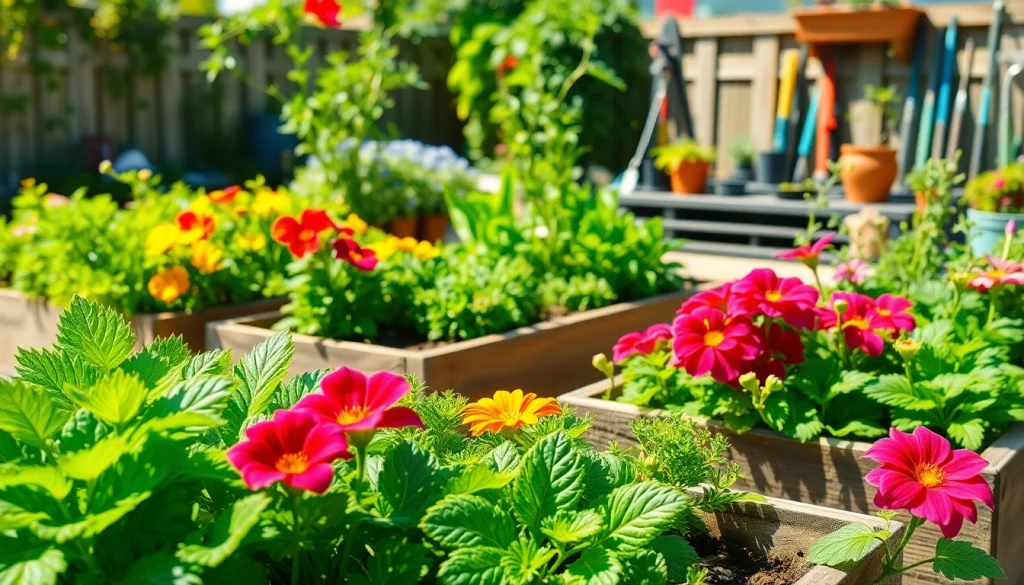
Getting Started with Gardening Techniques
Gardening is not just a hobby; it’s an enriching experience that allows individuals to connect with nature and cultivate their own green spaces. From the joy of watching seeds sprout to the satisfaction of harvesting fresh produce, the benefits of Gardening are manifold. Whether you’re a novice looking to start your first garden or an experienced gardener seeking to refine your techniques, understanding the fundamentals of gardening is essential. This comprehensive guide will explore vital gardening techniques, soil types, plant selection, and the tools necessary for effective gardening.
Understanding Soil Types for Gardening
The foundation of any successful garden starts with understanding soil. Different soil types offer distinct benefits and limitations, influencing what plants will thrive. Here are the primary soil types:
- Sandy Soil: This soil drains quickly and warms up fast, making it ideal for early-season planting. However, it lacks nutrients and retains moisture poorly.
- Clay Soil: Clay is nutrient-rich but can be heavy and compact, leading to poor drainage. Amending clay soil with organic matter can improve its structure and fertility.
- Silt Soil: Silty soil is fertile and retains moisture well. It’s smooth to the touch and drains adequately, making it favorable for many plants.
- Loamy Soil: Often considered the ideal soil type by gardeners, loamy soil combines sand, clay, and silt, offering excellent drainage and nutrient retention.
Conducting a soil test can provide insights into the composition and nutrient levels of your soil, guiding amendments and plant choices.
Choosing the Right Plants for Your Garden
Choosing the right plants is critical for the success of your garden. Consider the following factors when selecting plants:
- Climate: Ensure the plants you choose are suited for your local climate zone. Understanding hardiness zones helps to select flowers, vegetables, and shrubs that can withstand local conditions.
- Space: Ask yourself how much space you have. Some plants require more room to spread than others. Vertical gardening techniques can help maximize smaller spaces.
- Maintenance Level: Assess how much time you can dedicate to gardening. If your schedule is tight, opt for low-maintenance plants that require minimal care.
Researching plant varieties ahead of time will lead to a more fruitful and enjoyable gardening experience.
Essential Tools for Effective Gardening
Equipping yourself with the right tools can make gardening much more efficient and enjoyable. Consider these essential tools:
- Hand Tools: Garden forks, trowels, and pruners are indispensable for plant care and soil cultivation.
- Watering Tools: A good watering can or hose with a spray nozzle helps manage moisture levels for your plants.
- Gloves: Protecting your hands is crucial; investing in a good pair of gardening gloves can prevent blisters and cuts.
- Soil Testing Kit: This tool helps determine soil health and pH, guiding necessary amendments.
Optimizing Sunlight and Water for Plant Growth
Sunlight and water are critical components of plant health. Understanding how to optimize these elements can lead to flourishing gardens.
Identifying Sun Exposure Requirements
Not all plants thrive in the same amount of sunlight. The three category classifications of sunlight requirements are:
- Full Sun: These plants need at least six to eight hours of direct sunlight daily.
- Partial Shade: Such plants thrive in four to six hours of sunlight with some shade during the hottest parts of the day.
- Full Shade: These plants can survive with less than four hours of sunlight, often flourishing in dappled light conditions.
Mapping out sun exposure in your garden can help you position plants correctly according to their sunlight needs.
Watering Strategies for Healthy Gardening
Watering is not just about frequency; it’s also about technique. Here are several strategies to consider:
- Deep Watering: Watering deeply encourages roots to grow deeper, which enhances drought tolerance. Aim to soak the soil to a depth of 6 to 12 inches.
- Drip Irrigation: Installing a drip irrigation system can deliver water directly to the plant roots, reducing waste and optimizing moisture distribution.
- Water Timing: Watering in the early morning or late evening minimizes evaporation, ensuring more moisture reaches the plants.
Creating a Watering Schedule
Creating a consistent watering schedule is essential for a thriving garden. Factors to consider include:
- Seasonal Changes: Water needs may vary with weather changes, thus requiring adjustments throughout the year.
- Plant Type: Different plants have varying moisture needs—vegetables typically require more water than drought-resistant ornamentals.
- Soil Type: Sandy soil dries out quickly, while clay soil retains moisture longer, affecting how often you should water.
Using a garden journal can help track watering schedules and plant responses, enabling better adjustments over time.
Attracting Pollinators to Enhance Your Garden
Pollinators play a crucial role in the ecosystem, facilitating plant reproduction and enhancing garden yields. Promoting these natural allies can significantly benefit your garden.
Importance of Bees and Butterflies in Gardening
Bees and butterflies are vital for pollination, which increases the production of fruits and seeds. Their presence also promotes biodiversity in your garden—diverse plant species foster healthier ecosystems. As pollinators move from plant to plant, they help cross-pollinate, enhancing genetic diversity in crops.
Planting Flower Varieties to Attract Pollinators
Best practices for attracting pollinators include:
- Native Plants: Many native plants are adapted to local conditions and attract regional pollinators. Research local flora to discover ideal options.
- Flower Diversity: Incorporate a variety of flowers that bloom at different times to provide a continuous food source.
- Avoiding Pesticides: Chemicals can harm pollinators. Opt for organic or natural pest management methods to keep your garden safe.
Creating a Pollinator-Friendly Environment
Enhancing your garden for pollinators involves:
- Water Sources: Providing shallow water sources like bird baths can help attract pollinators.
- Shelters: Adding structures such as hedgerows or bee hotels gives pollinators safe spaces for nesting and resting.
- Minimizing Lawn Space: Reducing traditional lawn areas in favor of wildflower patches creates habitats for a variety of pollinators.
Common Gardening Pests and Their Management
Like any environment, gardens can be susceptible to pests. Understanding pest management is fundamental for a healthy garden.
Identifying Typical Gardening Pests
Common gardening pests include:
- Aphids: Small, soft-bodied insects that suck sap from plants, leading to stunted growth.
- Spider Mites: These mites thrive in dry conditions and cause mottling on leaf surfaces.
- Whiteflies: Similar to aphids, these pests can overwhelm plants and spread diseases.
Early identification of pests is crucial, as proactive measures can prevent larger infestations.
Organic Pest Control Solutions
Employing organic pest control techniques ensures your garden remains healthy while minimizing harm to beneficial organisms. Here are some methods:
- Neem Oil: This natural pesticide disrupts the life cycle of many garden pests while being safe for beneficial insects.
- Companion Planting: Growing certain plants together can deter pests. For example, marigolds are known to repel nematodes.
- Insecticidal Soap: This product can kill soft-bodied insects on contact without harming plants or beneficial pests.
Maintaining a Healthy Ecosystem in Your Garden
A healthy garden ecosystem balances pests and beneficial insects. Here are some actionable strategies:
- Diversity: Encouraging a variety of plant species can attract different beneficial insects, helping manage pest populations.
- Regular Monitoring: Inspect plants frequently for early signs of infestation or disease, allowing for quicker response times.
- Mulching: Organic mulch not only suppresses weeds but also improves soil health and retains moisture, fostering a balanced ecosystem.
Advanced Gardening Techniques for Experienced Gardeners
For seasoned gardeners, implementing advanced techniques can lead to even more fruitful and aesthetically pleasing gardens.
Implementing Companion Planting
Companion planting involves growing different plants together for mutual benefits. These synergies can include:
- Protection: Certain plants can deter pests or attract beneficial insects. For example, planting basil near tomatoes can enhance flavor and keep pests away.
- Nutrient Sharing: Some plants, like legumes, can fix nitrogen in the soil, benefiting neighboring plants.
Integrating companion plants can enhance your garden’s productivity and resiliency.
The Benefits of Crop Rotation in Gardening
Crop rotation involves changing the types of plants grown in a specific area each season. Benefits include:
- Nutrient Management: Different plants require varying nutrients, and rotating them can prevent nutrient depletion.
- Pest and Disease Control: Changing crops can disrupt pest life cycles and reduce disease incidence.
Utilizing Vertical Gardening for Space Efficiency
Vertical gardening is a space-saving technique that allows gardeners to grow more in less area. Methods include:
- Wall Planters: Using vertical surfaces for planting can create stunning living murals.
- Trellises and Arches: Climbing plants can be trained to grow vertically, maximizing growing space.
- Container Gardening: Using pots and containers can be arranged vertically to create lush greenery without consuming ground space.
Conclusion
Embarking on a gardening journey offers rewards that go beyond simply growing plants. By understanding soil types, water and sunlight needs, fostering pollinators, managing pests, and applying advanced techniques, you can cultivate a flourishing garden. With dedication and knowledge, anyone can transform a patch of earth into a vibrant and productive oasis. As you dig in, enjoy the journey that Gardening presents, and let your green thumb flourish!