
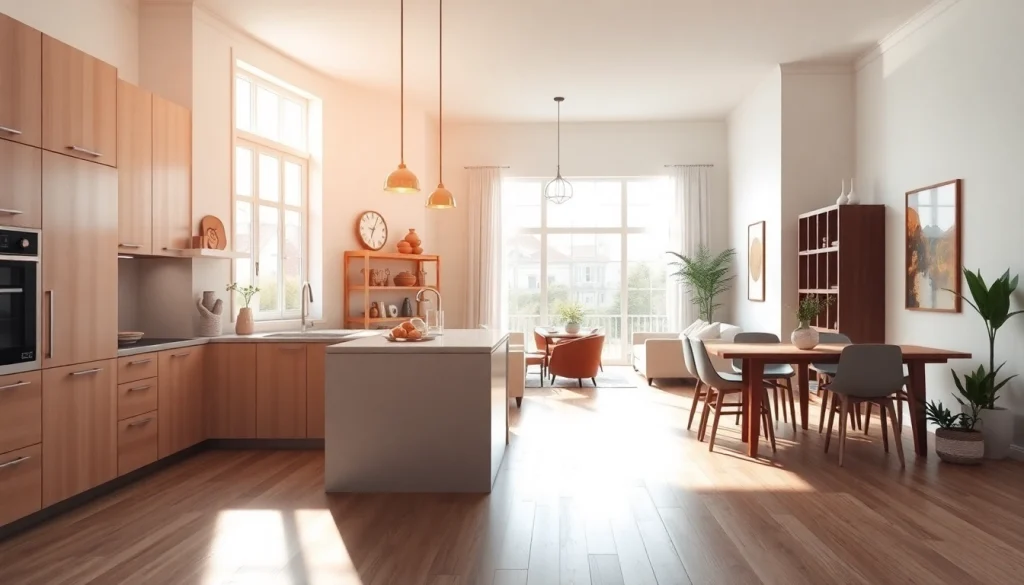
Understanding Home Renovation
What is Home Renovation?
Home renovation refers to the process of improving, updating, or altering an existing residential structure to enhance its overall appearance, functionality, and value. This can encompass a wide range of activities, from simple cosmetic enhancements such as painting and flooring changes to extensive structural modifications like adding new rooms or expanding existing ones. Home renovation is a significant venture that allows homeowners to tailor their spaces to their evolving needs and preferences.
Whether it’s a small bathroom update or a full-scale kitchen remodel, each renovation project can dramatically transform the living experience. Homeowners may pursue renovations to improve aesthetics, increase energy efficiency, or comply with modern safety standards. The ultimate goal is to create a more comfortable and appealing environment that reflects the owner’s personality and lifestyle.
Why Undertake Home Renovation?
The motivations behind home renovation are as diverse as the projects themselves. Many homeowners opt for renovations to enhance their living conditions, while others seek to increase their home’s market value. Here are several compelling reasons to consider:
- Increased Property Value: Renovations can significantly boost your home’s resale value, particularly if you focus on high-demand areas like kitchens and bathrooms.
- Improved Functionality: Modifying existing spaces can create better flow and more usable areas, catering to specific needs such as accessibility or family gatherings.
- Energy Efficiency: Updating insulation, windows, and appliances can lead to significant energy savings, reducing utility bills while contributing to environmental sustainability.
- Personalization: Renovating your home allows you to transform a generic space into a personalized sanctuary that truly reflects your tastes and lifestyle.
- Maintenance and Repairs: Undertaking renovations can also address persistent maintenance issues, ensuring that the structure remains safe and livable.
Different Types of Home Renovations
Home renovations can be broadly categorized based on scope and scale. Here are some common types to consider:
- Cosmetic Renovations: These involve enhancements that improve aesthetics without altering the core structure of the home. Examples include painting, flooring changes, and new lighting fixtures.
- Structural Renovations: These involve significant alterations to the home’s physical structure, such as adding or removing walls, changing the layout, or even lifting the entire structure for foundation repairs.
- Functional Renovations: Focused on improving usability, this includes renovating kitchens and bathrooms, upgrading HVAC systems, and enhancing outdoor spaces for better functionality.
- Energy-Efficient Renovations: Upgrades that focus on increasing energy efficiency, such as installing solar panels, energy-efficient windows and doors, and improved insulation.
- Historical Renovations: Preserving or restoring historical features of an older home while updating to meet modern codes and standards.
Planning Your Home Renovation
Setting a Realistic Budget
Budgeting is a crucial step in the renovation process. Without a clear budget, you risk overspending and can compromise the quality of the work done. Start by establishing the total amount you’re willing to invest, considering factors like potential unexpected costs. Here are some steps to help you set a realistic budget:
- Research Costs: Investigate the average costs of materials and labor for the types of renovations you’re considering. Online resources, local suppliers, and home improvement stores can provide helpful pricing information.
- Prioritize Needs vs. Wants: Determine which aspects of the renovation are essential and which are desirable. This will help allocate funds more effectively.
- Include a Contingency Fund: It’s wise to set aside at least 10-20% of your total budget for unexpected expenses that may arise.
Creating an Effective Timeline
A well-planned timeline is essential for keeping your renovation on track and minimizing disruption to your daily life. Consider the following steps when creating your renovation timeline:
- Define Project Scope: Clearly outline what renovations will occur and what order they will happen. This helps anticipate the time required for each phase.
- Consult with Professionals: If you’re hiring contractors, ask for their input on a realistic timeline. Experienced professionals can provide valuable insights based on their knowledge of similar projects.
- Factor in Waiting Periods: Consider potential delays caused by permitting, sourcing materials, or scheduling contractor availability.
Choosing the Right Materials
The materials you select for your renovations play a significant role in both the finished look and the longevity of your project. Here are some tips for choosing the right materials:
- Quality vs. Cost: While it’s tempting to go for the cheapest option, investing in quality materials can save money in the long run by reducing maintenance costs and enhancing durability.
- Energy Efficiency: Opt for materials that improve energy efficiency, such as high-quality insulation, low-E glass windows, or sustainable building materials.
- Aesthetic Appeal: Choose materials that align with your overall design vision for a cohesive look throughout the home.
- Local Sourcing: Whenever possible, source materials locally to reduce transportation costs, support local businesses, and minimize environmental impact.
Executing Your Home Renovation Project
Finding Reliable Contractors
Hiring the right contractors is essential for the success of your renovation. Here are steps to help you find trustworthy professionals:
- Ask for Recommendations: Seek referrals from friends, family, or neighbors who have undergone renovations. Online reviews and ratings can provide additional insight.
- Evaluate Portfolios: Review potential contractors’ previous work and project portfolios to gauge their experience and style.
- Check Credentials: Ensure that your selected contractors are licensed, insured, and have valid references. This protects you from liability and helps guarantee quality work.
Do It Yourself vs. Hiring Professionals
Deciding whether to tackle renovations yourself or hire professionals can significantly impact the outcome of your project. Consider the following:
- Time and Skill Level: Assess your skills and the time you have available. DIY projects can be rewarding but require significant commitment.
- Project Complexity: Some tasks, particularly electrical and plumbing work, should always be handled by licensed professionals to ensure safety and compliance with building codes.
- Cost Considerations: Weigh the potential savings of DIY against the value of your time and the quality of work that professionals may provide.
Essential Tools for Home Renovation
Equipping yourself with the right tools is crucial for a successful renovation project. Here’s a list of essential tools that should be in every renovator’s toolkit:
- Hand Tools: Hammers, screwdrivers, wrenches, tape measures, and utility knives are must-haves for most projects.
- Power Tools: Consider investing in power tools such as drills, saws, sanders, and nail guns to save time and enhance efficiency.
- Safety Equipment: Prioritize safety by acquiring gloves, goggles, masks, and ear protection to ensure a safe working environment.
- Measuring and Leveling Tools: Levels, squares, and measuring tapes will help you achieve precision and accuracy in your renovations.
Common Challenges in Home Renovation
Managing Unexpected Costs
One of the most frequent challenges in home renovation is the occurrence of unexpected costs. Here are strategies to manage these potential surprises:
- Thorough Planning: A comprehensive plan that accounts for all aspects of the renovation can significantly reduce the likelihood of unforeseen expenses.
- Maintain an Emergency Fund: Saving a portion of your budget for unexpected costs can keep your project on track even if issues arise.
- Communicate with Contractors: Maintaining open lines of communication with your contractors ensures that you are promptly informed of any problems or additional costs.
Navigating Building Codes and Regulations
Home renovations often require adherence to local building codes and regulations. To navigate this aspect effectively:
- Research Local Codes: Familiarize yourself with local building codes, zoning laws, and any required permits before starting the renovation.
- Work with Professionals: Hiring experienced contractors who are knowledgeable about building codes can help ensure compliance and minimize delays.
- Keep Documentation: Documenting any permits, inspections, and compliance activities can help protect you in case of disputes or issues down the line.
Staying on Schedule
Delays in renovation projects can lead to frustration and increased costs. Here’s how to maintain a smooth timeline:
- Set Clear Milestones: Break down the project into manageable tasks with deadlines to help keep everything on track.
- Regular Check-Ins: Schedule regular meetings with your contractor to assess progress and address any issues that could delay the project.
- Be Flexible: Understand that some delays are unavoidable, and being adaptable can help reduce stress during the project.
Post-Renovation Considerations
Evaluating the Success of Your Home Renovation
After completing your renovation, it’s time to evaluate the project’s success. Consider these points:
- Assess Functionality: Ensure that the renovated spaces meet your needs and enhance your lifestyle.
- Quality of Work: Inspect the workmanship of the renovations to determine if it meets your expectations and any professional standards.
- Feedback from Others: Gather opinions from family and friends who can offer an outside perspective on the changes made.
Maintaining Your Renovated Space
Once renovations are complete, maintaining the newly updated areas is essential to preserve their appearance and functionality. Here are some maintenance tips:
- Regular Inspections: Routinely check for signs of wear and tear, and attend to repairs promptly to avoid larger issues.
- Cleaniness: Keep renovated spaces clean and free of clutter to ensure they remain inviting and functional.
- Seasonal Maintenance: Implement seasonal tasks, such as gutter cleaning and HVAC servicing, to extend the life of your renovations.
Enhancing Value with Future Renovations
Home renovation is an ongoing process, and as your lifestyle changes, so may your needs for your living space. Consider these strategies for continued enhancement:
- Stay Updated with Trends: Monitoring interior design and renovation trends can offer inspiration for future updates that add value.
- Plan Ahead: Consider potential future needs during renovations to allow for easier upgrades as demographics shift or family size changes.
- Document Changes: Keep records of all renovations and maintenance efforts to inform future decisions or potential buyers of the value added through your efforts.
Taking on a Home renovation can feel daunting, but with careful planning, a clear budget, and a determined approach, you can transform your living space into the dream home you’ve always envisioned. By understanding the complexities and nuances of home renovation, you not only enhance the functionality and aesthetics of your space but also increase the value of your most significant investment – your home.