
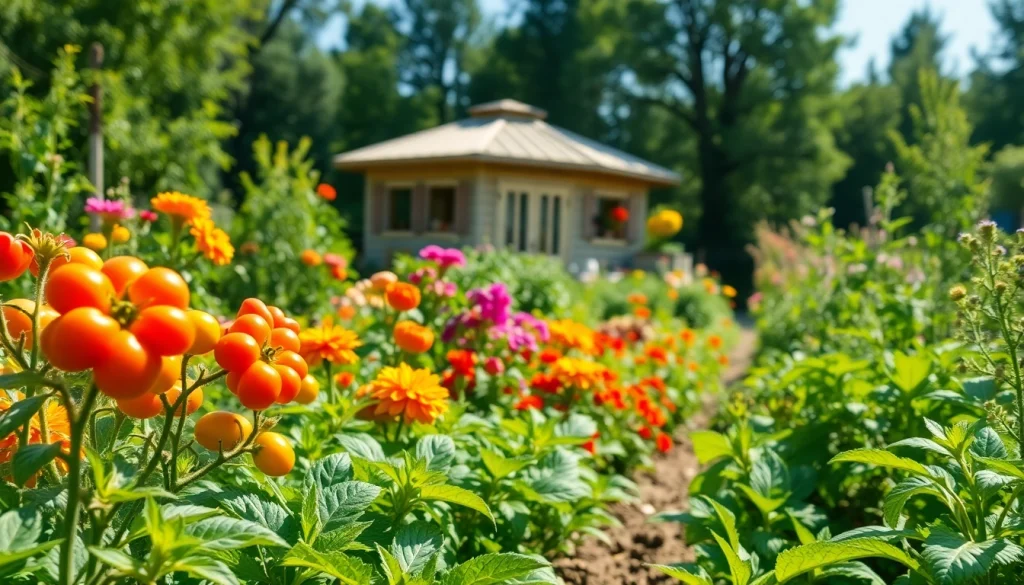
Introduction to Gardening Essentials
Gardening is an enriching activity that connects people with nature and allows them to cultivate beauty and utility in their surroundings. Whether you’re tending to a small balcony or a sprawling backyard, understanding the fundamentals of Gardening is vital to successfully growing a vibrant and productive space. This comprehensive guide delves into essential gardening concepts, tools, practices, and advanced techniques to help you maximize your planting endeavors.
Understanding Soil Types for Gardening
Soil is the foundation of any garden. It is essential to comprehend different soil types, as they affect plant growth, nutrient availability, and drainage. The main categories of soil are sandy, clay, silt, loamy, and peaty soils, each with unique properties.
- Sandy Soil: Drains quickly but holds little moisture, making it suitable for drought-resistant plants.
- Clay Soil: Dense and retains moisture but can become compacted. It’s ideal for moisture-loving plants.
- Silt Soil: Fertile and retains moisture, offering a good balance between drainage and nutrient availability.
- Loamy Soil: A blend of sand, silt, and clay; it’s considered the best type for gardening due to its balanced properties.
- Peady Soil: Rich in organic materials; it retains high moisture levels and is often acidic.
Testing your soil’s pH and nutrient content can guide amendments and enhancements, such as adding organic matter to improve its structure.
Importance of Sunlight in Gardening
Sunlight is the key ingredient that allows plants to perform photosynthesis, which is essential for their growth and development. Understanding sunlight availability in your garden space is paramount to selecting the right plants. Most plants require at least six hours of direct sunlight daily, while others thrive in partial shade. Observing your garden throughout the day can help you identify sun-tracking patterns, allowing for strategic plant placement.
Basic Tools Needed for Gardening Success
Equipping yourself with the right tools is crucial for effective gardening. Some essential tools include:
- Trowel: Useful for digging small holes for planting.
- Pruning Shears: Essential for trimming plants and promoting healthy growth.
- Rake: Helps in leveling soil and gathering debris.
- Garden Fork: Useful for turning soil and breaking up compacted earth.
- Watering Can or Hose: Necessary for keeping plants hydrated.
Invest in high-quality tools as they will last longer and enhance your gardening experience.
Choosing the Right Plants for Your Gardening Space
Selecting the right plants for your gardening area can make the difference between a flourishing garden and a struggling one. Consider factors such as climate, space, sunlight, and your personal preferences.
Seasonal Planting Strategies in Gardening
Your garden can benefit from an understanding of seasonal planting strategies. Different plants have varying growth cycles, so planning your garden around the seasons ensures year-round productivity. Cool-season crops like lettuce and spinach thrive in early spring or fall, while warm-season crops such as tomatoes and peppers flourish when the temperatures rise.
Native vs. Non-native Plants in Gardening
Native plants have adapted to the local climate and soil conditions, making them generally easier to grow and maintain. They provide habitats for local wildlife and require less water and fertilizers. Non-native plants, while often beautiful and diverse, may require more resources to thrive and could disrupt local ecosystems if they become invasive.
Herbs and Vegetables for Home Gardening
Herbs and vegetables are rewarding for home gardeners. Not only do they embellish your garden, but they also offer fresh produce for cooking. When selecting herbs, consider basil, rosemary, and parsley for culinary uses. Vegetables like carrots, radishes, and leafy greens can easily be grown in home gardens, adding flavor and nutrition to your meals.
Garden Design and Layout Techniques
A well-thought-out garden design enhances aesthetics and functionality. How you arrange your plants can significantly impact their health and yield.
Creating a Sustainable Gardening Plan
Incorporating sustainable practices into your gardening plan contributes positively to the environment. This includes using organic fertilizers, minimizing pesticide use, and implementing rainwater harvesting systems. A sustainable garden promotes biodiversity and resilience against pests and diseases.
Utilizing Raised Beds in Gardening
Raised garden beds are an excellent solution for maximizing space, enhancing drainage, and preventing soil compaction. They can help gardeners manage soil quality more effectively and provide easier access for planting and harvesting. When building raised beds, ensure they are deep enough to accommodate the root systems of your chosen plants.
Companion Planting Strategies in Gardening
Companion planting involves growing different plants together for mutual benefit. Certain plants can deter pests, attract beneficial insects, or enhance nutrient availability. For instance, planting marigolds alongside vegetables can repel nematodes and pests, while planting beans with corn can improve soil nitrogen levels.
Garden Maintenance Best Practices
Maintaining your garden is an ongoing commitment that requires diligence and knowledge of best practices.
Watering Techniques for Effective Gardening
Proper watering is essential for plant health. Techniques such as deep watering promote stronger root growth as roots reach deeper into the soil for moisture. Drip irrigation systems can be highly efficient, minimizing water waste and ensuring consistent moisture levels.
Pest Control and Organic Solutions in Gardening
Managing pests organically is a sustainable approach to gardening. Techniques such as introducing natural predators, employing insecticidal soaps, and using diatomaceous earth can mitigate pest issues without harmful chemicals. Regularly inspecting plants and maintaining hygiene in the garden also helps prevent pest outbreaks.
Pruning and Harvesting Tips in Gardening
Regular pruning ensures plants remain healthy and enhances air circulation, reducing the risk of disease. Harvesting at the right time is crucial for maximizing flavor and yield. For example, picking vegetables like zucchini when they are small leads to a more prolonged harvesting period.
Advanced Gardening Techniques for Enthusiasts
For those who wish to delve deeper into their gardening practices, advanced techniques can enhance your garden’s productivity and sustainability.
Permaculture Principles in Gardening
Permaculture promotes harmonious relationships between plants, animals, and the environment. Techniques such as creating edible landscapes, using polycultures, and implementing waste recycling systems can transform your garden into a self-sustaining ecosystem.
Vertical Gardening for Urban Spaces
As urban areas become denser, vertical gardening has emerged as a practical solution for maximizing limited space. Utilizing trellises, wall planters, and hanging pots can help utilize vertical space efficiently, allowing for increased plant variety and producing greenery in otherwise barren areas.
Season Extension Techniques in Gardening
To maximize growing seasons, gardeners can use techniques like hoop houses, cloches, and cold frames. These methods protect plants from inclement weather, enabling earlier planting in the spring and extended growth into the autumn, ultimately increasing yield and variety.
Conclusion
Gardening is both an art and science, requiring attention to detail, planning, and ongoing care. By understanding essential principles, selecting appropriate plants, and employing best practices in maintenance, you can cultivate a thriving garden that not only beautifies your space but also contributes positively to the environment. Embrace the journey of Gardening and enjoy the many rewards it brings.