
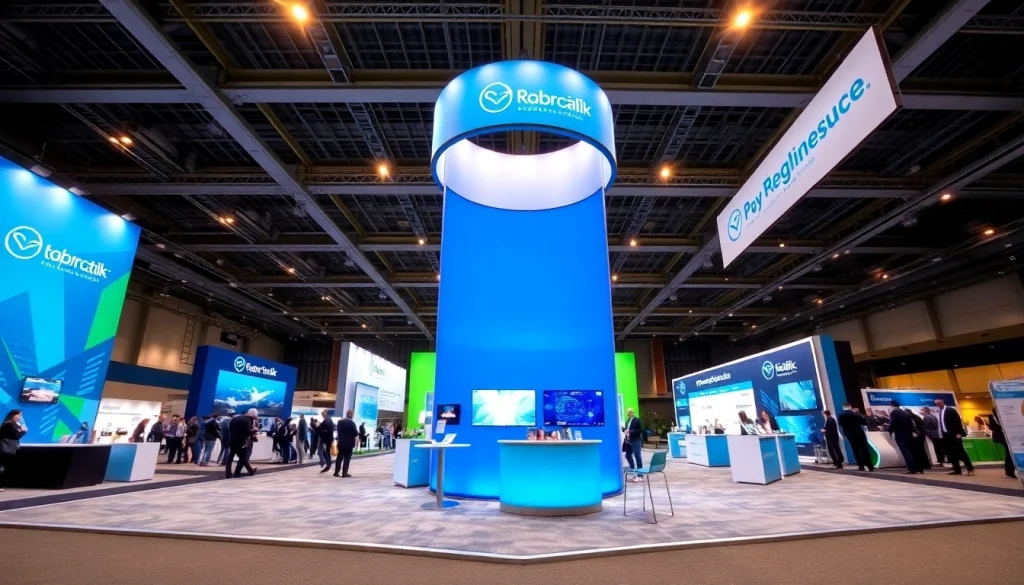
Understanding the Value of a Trade Show Booth
What is a Trade Show Booth?
A trade show booth serves as a dedicated space where companies showcase their products and services during trade shows and exhibitions. These booths can vary in size, design, and functionality, ranging from simple banner stands to elaborate custom-built spaces designed for maximum impact and visitor engagement. A well-designed trade show booth can capture the attention of attendees, create a positive brand image, and facilitate direct interactions between sales personnel and potential customers.
Benefits of Attending Trade Shows
Trade shows provide multiple benefits for participating organizations. Firstly, they offer an opportunity to generate leads by interacting directly with target customers who are actively seeking solutions. Secondly, they act as an effective platform for market research, allowing businesses to observe competitors and identify market trends. Moreover, trade shows enhance brand visibility, helping to create and reinforce brand awareness in a crowded market space.
Another significant advantage is the networking potential; companies can meet industry peers, suppliers, and other stakeholders, which can lead to partnerships, collaborations, and opportunities for growth. Lastly, festivals of this nature often highlight innovations and can spark new ideas that lead to product enhancements or complete redesigns.
Key Components of an Effective Trade Show Booth
An impactful trade show booth combines several key components to ensure success. Firstly, visual appeal is crucial; bold graphics, well-placed lighting, and an organized layout can attract foot traffic. Secondly, interactive elements, such as touchscreens, demonstrations, or mini-presentations, can engage visitors and facilitate meaningful conversations. Incorporating technology, such as virtual reality or augmented reality experiences, can elevate the booth’s appeal, helping to create memorable experiences that resonate with attendees.
Moreover, effective signage and clear messaging are essential to communicate your brand’s value proposition quickly. The booth should embody your brand identity, guiding visitors toward an understanding of your products and services. Lastly, ensuring staffing that is knowledgeable, approachable, and well-trained can create a welcoming atmosphere that encourages participation and engagement.
Designing Your Trade Show Booth
Choosing the Right Layout
Understanding how to maximize the space in a trade show booth is critical. Your layout should be designed keeping in mind the flow of traffic and engagement points. Open layouts that facilitate movement encourage visitors to explore. Consider utilizing zones within the booth for different functions, such as a demonstration area, a meeting space, and a product display section. Make sure to assess the height of displays and whether they obstruct visibility, as clear lines of sight can enhance customer experiences.
Incorporating Your Brand Identity
Your trade show booth is an extension of your brand; hence, every element should reflect your company’s identity. Use colors, fonts, and imagery that align with your overall branding. Consistency in branding fosters recognition and strengthens brand identity. Additionally, integrating storytelling throughout your booth design can create an emotional connection with visitors. Showcase case studies or customer testimonials to illustrate your impact effectively. A cohesive and recognizable theme can significantly contribute to the lasting impression you leave on attendees.
Utilizing Technology for Engagement
In the digital age, technology has become an integral part of trade show success. Utilizing technology in booths can transform the way attendees engage with your brand. Digital kiosks, interactive displays, and mobile applications can provide valuable information at the visitor’s fingertips. Consider using technologies like QR codes for easy access to digital content or Augmented Reality (AR) to demonstrate complex products visually. This level of interactivity not only attracts but also retains visitors’ attention, enhancing the likelihood of successful lead generation.
Planning and Logistics for Your Trade Show Booth
Set-Up and Tear Down Considerations
Planning the logistics of booth setup and teardown is crucial to avoid unnecessary stress and potential complications during the event. Before the trade show, develop a comprehensive timeline that outlines each activity associated with the booth, including arrivals, installation of displays, and teardown procedures. Coordinate with vendors and venue management to understand restrictions pertaining to time and resources. Additionally, become familiar with any equipment that will require assembly and ensure that staff members have the necessary training to execute these tasks efficiently.
Budgeting for Trade Show Expenses
Managing a trade show budget effectively requires careful planning and forecasting. An accurate budget should encompass all anticipated expenses, including booth space rental, design and construction costs, travel and accommodation for staff, promotional materials, and any additional materials like electricity or internet access. It’s also wise to set aside a contingency fund for unexpected expenses that may arise. Evaluating costs against projected ROI is essential to understand the overall effectiveness of your tradeshow investment.
Staff Training for Maximum Performance
The staff in your booth serve as the face of your company during the event; their performance can significantly impact your success metrics. Therefore, conducting staff training sessions focusing on product knowledge, customer engagement techniques, and lead qualification processes is paramount. Role-playing scenarios can prepare staff for real interactions, helping to build confidence and improve communication skills. Additionally, set clear goals for the staff in terms of lead capturing and engagement expectations during the trade show.
Marketing Your Trade Show Booth
Pre-Event Promotion Strategies
Advance marketing of your presence at trade shows can increase booth traffic significantly. Utilize various channels, like email marketing, social media platforms, and targeted ads to inform your audience about your upcoming participation. Create excitement by sharing sneak peeks of what attendees can expect, such as product launches or exclusive giveaways. It’s also valuable to leverage industry influencers who can amplify your message, enhancing brand visibility prior to the event.
On-Site Engagement Techniques
Once the event begins, your booth should be designed for maximum engagement. Interactive elements, such as contests or gamification strategies, can draw visitors in and encourage interaction with your brand. Ensure that staff are initiative-driven, greeting attendees enthusiastically and inviting them into the booth. Utilize technology, such as tablets for sign-ups or demonstrations, to create seamless engagement that captures visitor information quickly for follow-ups.
Post-Event Follow-Up Best Practices
Effective follow-up after the trade show is essential for converting leads into sales. Create a structured follow-up plan that includes timely communication with prospects, personalized outreach, and addressing any specific needs or questions that arose during the event. Utilizing Customer Relationship Management (CRM) software to track interactions and manage follow-ups can streamline this process. By maintaining communication with prospects post-event, you reinforce the relationship and improve the likelihood of conversions.
Measuring Success from Your Trade Show Booth
Defining Success Metrics
Establishing clear success metrics before the event is crucial for measuring the ROI of your trade show booth. Common performance indicators include the number of leads generated, the quality of those leads, booth traffic, and engagement rates of marketing materials. Determine specific goals for each metric and be prepared to analyze and present these outcomes to evaluate the overall effectiveness of your presence at the trade show.
Collecting Feedback and Data
Collecting feedback from booth visitors can provide critical insights that enhance future performance. Leverage post-event surveys or informal conversations to gauge attendee impressions of your booth and offerings. This feedback loop will help identify strengths and areas for improvement. Tracking interactions, such as the number of brochures handed out or the interest shown in product demonstrations, can aid in evaluating the appeal of your offerings at the event.
Analyzing ROI from Trade Shows
Measuring the return on investment (ROI) of a trade show booth is essential for understanding the financial impact of your efforts. Calculate ROI by comparing the total revenue generated from leads obtained at the trade show to the total cost of participation, including booth design, logistics, and promotional materials. A thorough analysis can reveal insights that guide future investments in trade shows and help refine marketing strategies for better outcomes.