Understanding Steel Structure Design
Introduction to Steel Structure Design Principles
Steel structure design is an essential facet of modern architecture and engineering, focusing on the creation of durable and efficient structures using steel as the primary material. In this article, we will delve into the multifaceted aspects of steel structure design, examining its principles, benefits, and the challenges it presents. Steel’s inherent properties of strength-to-weight ratio make it a preferred material in various construction projects, from bridges to high-rise buildings.
Benefits of Using Steel in Construction
The advantages of utilizing steel in construction are numerous. One of the most notable benefits is its excellent strength-to-weight ratio, allowing for long spans and tall structures without excessive weight. Further benefits include:
- Durability: Steel structures can withstand natural disasters such as earthquakes and hurricanes due to their flexibility.
- Speed of Construction: Prefabricated steel components can be constructed rapidly, reducing overall project timelines.
- Cost-Effectiveness: Although the initial material costs may be higher than other options, steel’s longevity and minimal maintenance requirements often lead to lower lifecycle costs.
- Design Flexibility: Steel allows for innovative architectural designs and creative forms, enhancing aesthetic appeal.
- Environmental Performance: Steel is recyclable, making it a sustainable choice for eco-conscious projects.
Common Challenges in Steel Structure Design
Despite the numerous benefits, designing with steel entails specific challenges. These include:
- Corrosion: Steel is susceptible to rust when exposed to moisture. Effective protective coatings and regular maintenance are necessary to ensure longevity.
- Thermal Conductivity: Steel can conduct heat, which can lead to energy inefficiency in buildings. Proper insulation techniques are crucial.
- Initial Costs: The upfront cost of steel structures can be higher than that of traditional materials, necessitating careful budget planning.
Design Considerations for Steel Structures
Load-Bearing and Structural Integrity
The first principle in designing steel structures is understanding load-bearing capacities. Steel members must be appropriately sized to support various loads, including dead loads, live loads, wind loads, and seismic forces. Design codes dictate the methodologies for calculating these loads, ensuring structural integrity through careful engineering practices. Key aspects include:
- Thermal Expansion: Account for temperature changes that can affect the size of the steel members.
- Deflection: Minimize deflections in beams and columns to maintain aesthetic considerations and usability.
- Connections: Ensure that all connections are designed to handle anticipated load paths efficiently.
Aesthetic Aspects of Steel Structure Design
While structural integrity is crucial, the aesthetic aspect of steel structures cannot be overlooked. Designers can leverage the visual characteristics of steel to create striking architectural features. Techniques to enhance aesthetic appeal include:
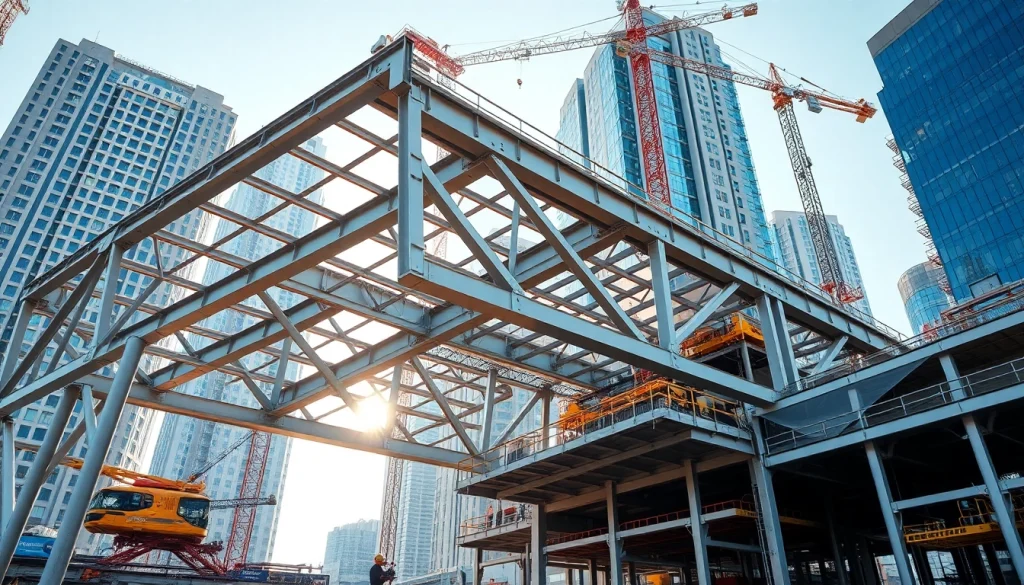
- Exposed Framework: Leaving structural elements exposed can create a modern industrial look.
- Creative Form: Steel’s malleability permits unique shapes and forms, pushing the boundaries of conventional architecture.
- Color and Finish: Applying various finishes or paints can influence both the appearance and the protective qualities of steel.
Environmental and Sustainability Factors
Today’s steel structure designs must consider environmental sustainability. The construction industry is shifting towards eco-friendly solutions, and steel’s recyclability plays a significant role. When evaluating sustainability in steel construction, several factors are essential:
- Lifecycle Assessment: Evaluate the environmental impact of steel over its entire lifecycle, from extraction to disposal.
- Energy Efficiency: Incorporate thermal insulation and energy-efficient designs that reduce energy consumption in buildings.
- Material Sourcing: Use sustainably sourced steel to minimize the ecological footprint.
Innovative Techniques in Steel Structure Design
Modern Engineering Solutions and Technologies
Innovation plays a critical role in the advancement of steel structure design. Modern engineering techniques and digital tools have transformed how projects are conceptualized and realized. Notable advancements include:
- BIM (Building Information Modeling): This digital approach enhances collaboration and improves design accuracy, minimizing errors during construction.
- 3D Printing: Emerging technologies such as 3D printing of steel components allow for more intricate designs and reduced waste.
- Smart Materials: Incorporating materials that respond to environmental changes can enhance the functionality of steel structures.
Integration with Other Materials
An emerging trend in steel structure design is the increased integration of other materials. Combining steel with materials like wood, concrete, or glass offers numerous advantages:
- Improved Thermal Performance: Combining steel with insulating materials can enhance energy efficiency.
- Enhanced Aesthetic Appeal: Using diverse materials allows architects to create visually appealing contrasts and rhythms.
- Structural Synergy: Utilizing each material’s strengths can lead to innovative hybrid structures that outperform traditional designs.
Case Studies of Successful Steel Structures
Examining successful steel structures provides invaluable insights into practical applications of design principles. For instance:
- The Sydney Harbour Bridge: A structural marvel, combining engineering brilliance with aesthetic allure, showcasing the versatility of steel in iconic architecture.
- The Burj Khalifa: The tallest building in the world utilizes high-strength steel, designed to withstand intense winds while maximizing architectural elegance.
- Mercedes-Benz Stadium: This facility employs a retractable roof made of steel, pushing the boundaries of architectural design and engineering innovation.
Implementing Steel Structure Design in Projects
Step-by-Step Guide to Planning a Steel Structure
Implementing steel structure design requires meticulous planning. A comprehensive step-by-step guide includes:
- Define Project Requirements: Establish the primary needs and objectives of the project, considering functionality and aesthetics.
- Site Assessment: Analyze the site and local regulations, ensuring that the project adheres to zoning laws and environmental considerations.
- Design Development: Create initial designs and schematics, involving engineers, architects, and stakeholders in the process.
- Selection of Materials: Choose appropriate steel grades and complementary materials based on load requirements, environmental considerations, and budget constraints.
- Construction and Fabrication: Collaborate with fabrication teams to ensure precision in steel component production and assembly.
Collaboration with Engineers and Architects
The success of any steel structure project relies heavily on effective collaboration between architects and engineers. Key principles of successful collaboration include:
- Regular Communication: Hold consistent meetings to align on the vision and address concerns promptly.
- Integrated Design Approach: Encourage multidisciplinary design sessions where input from various experts is welcomed.
- Problem-Solving Mindset: Foster a culture of innovation where challenges are viewed as opportunities for creative solutions.
Cost-Effective Practices in Steel Structure Design
Maximizing budget efficiency is vital in steel structure design. Some strategies to reduce costs while maintaining quality include:
- Standardization: Utilize standardized components where possible to reduce manufacturing and assembly costs.
- Prefabrication: Off-site fabrication of components can lower labor costs and improve construction speed.
- Lifecycle Cost Analysis: Focus on long-term savings through maintenance and operational efficiencies rather than solely considering initial costs.
Evaluating Performance of Steel Structures
Key Metrics for Assessing Steel Structure Design
After construction, evaluating steel structures is essential to ensure they meet designated performance standards. Key metrics include:
- Load Capacity: Evaluate whether the structure can support intended loads throughout its use.
- Deflection Measurements: Inspect deflections to ascertain whether they comply with design specifications.
- Safety Factors: Conduct assessments to ensure safety factors align with regulatory requirements and best practices.
Maintenance and Longevity Considerations
Maintaining steel structures is crucial for their longevity. Regular maintenance inspections should include:
- Corrosion Inspection: Regularly check for signs of rust and implement protective measures.
- Structural Assessments: Routinely assess the integrity of the structure to ensure safety and efficacy.
- Update Coatings: Reapply protective coatings to prevent wear and extend the lifespan of steel elements.
Future Trends in Steel Structure Design
The future of steel structure design is poised for remarkable transformations, driven by emerging technologies and changing industry demands. Anticipated trends include:
- Smart Structures: Integration of sensors into steel frameworks to provide real-time data on performance and environmental conditions.
- Modular Construction: Expanding the use of modular construction practices to enhance flexibility and reduce construction times.
- Increased Sustainability: Continued emphasis on the use of recycled materials and sustainable design practices, aligning with global environmental goals.