
Enhancing Career Paths: Trade Schools in Hawaii for Skill Development
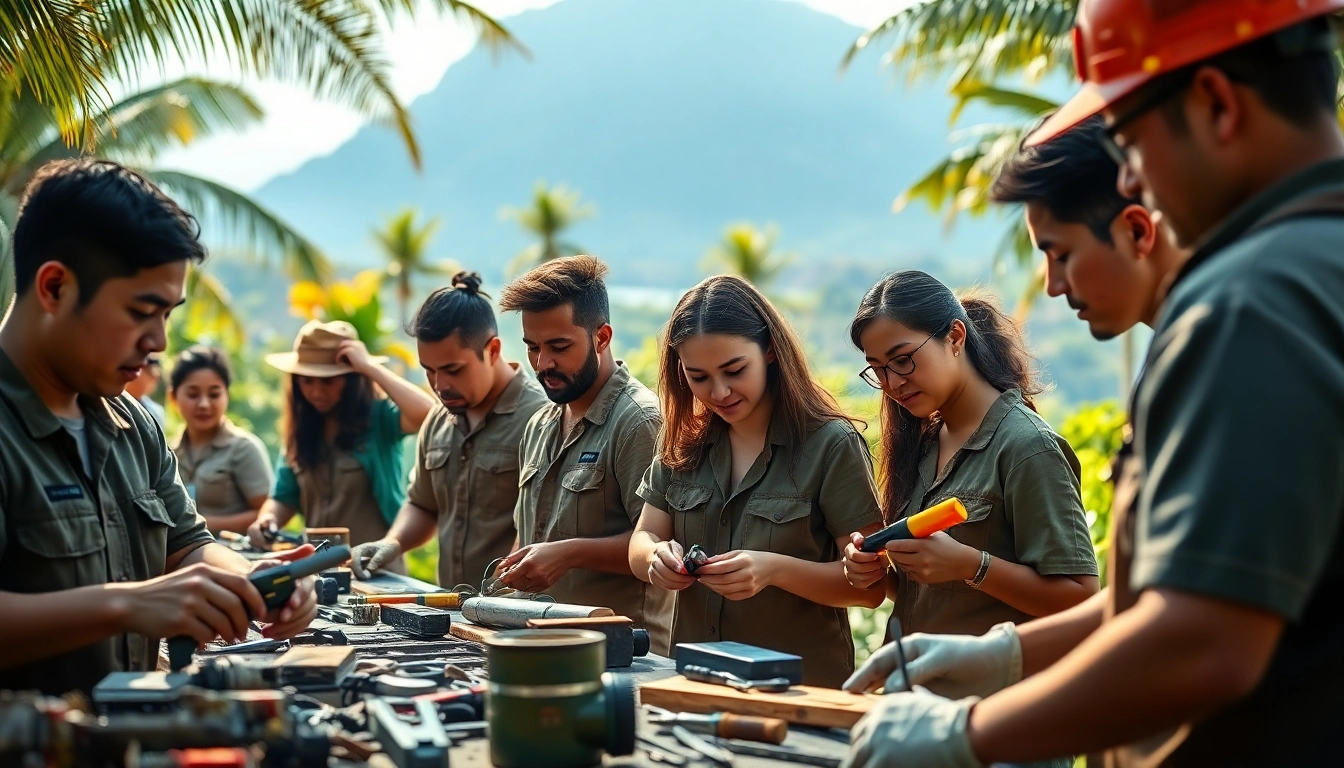
Understanding Trade Schools in Hawaii
In today’s evolving job market, education pathways are more diverse than ever. Among the various options, trade schools in Hawaii offer unique opportunities for practical skills training, catering to the needs of both students and industries. With a focus on hands-on learning and vocational training, these institutions provide a viable alternative to traditional college education, equipping individuals with the skills necessary to thrive in the workforce.
What Are Trade Schools?
Trade schools, also known as vocational or technical schools, are specialized educational institutions that provide training for specific skill sets. Unlike traditional colleges and universities that offer a broad array of subjects, trade schools focus on practical skills that prepare students for careers in various trades and technical fields. This includes programs in construction, culinary arts, healthcare, information technology, and many other disciplines.
The Importance of Vocational Training
Vocational training is essential for several reasons. First, it fills the gap between workforce demands and educational offerings. Many industries, including healthcare and technology, face shortages of skilled labor. By attending trade schools, students can quickly gain the skills employers are looking for, enhancing their employability. Moreover, vocational training emphasizes hands-on experience, allowing students to apply what they learn in real-world scenarios, which is often preferred by employers.
Types of Programs Offered in Hawaii
Hawaii’s trade schools offer a variety of programs tailored to meet the needs of local industries. Some of the common areas of focus include:
- Healthcare: Programs for nursing assistants, dental hygienists, and medical billing.
- Culinary Arts: Training in food preparation, baking, and restaurant management.
- Construction Trades: Courses in carpentry, plumbing, electrical work, and welding.
- Information Technology: Training in computer programming, cybersecurity, and network administration.
Benefits of Attending Trade Schools in Hawaii
Cost-Effectiveness Compared to Traditional Colleges
One of the most compelling reasons students choose trade schools over traditional universities is cost. Pursuing a degree from a four-year college often leads to significant student debt, with tuition, fees, and related costs quickly adding up. In contrast, trade schools typically have lower tuition fees, shorter course durations, and more direct pathways to employment, which contributes to a better return on investment.
Hands-On Learning Experience
Trade schools pride themselves on providing a hands-on learning experience. This approach not only reinforces the theoretical knowledge acquired in the classroom but also enhances students’ confidence and job readiness. Courses are often structured with practical workshops, simulations, and hands-on projects that reflect real-life working environments. This prepares students effectively for the workforce.
Rapid Job Placement Opportunities
Due to the focus on specific skill sets and partnerships with local industries, trade schools often have robust job placement programs. Many institutions work closely with employers to ensure that the training provided is aligned with current job market needs. This leads to quicker job placement opportunities for graduates, enabling them to enter the workforce sooner and begin earning income without the burden of extended educational commitments.
Top Trade Schools in Hawaii
Overview of Notable Institutions
Several reputable trade schools throughout Hawaii are dedicated to equipping students with the necessary skills for various industries. Institutions such as Honolulu Community College and Hawaii Community College are known for their extensive programs that cater to local workforce demands. Each school has unique offerings that align with different career paths, making it important for prospective students to research their options thoroughly.
Specialized Programs Available
Many trade schools in Hawaii provide specialized training programs. For instance, programs focused on renewable energy technologies are increasingly popular due to Hawaii’s commitment to sustainability. In addition, culinary arts schools offer extensive training in both traditional Hawaiian cuisine and modern culinary techniques, appealing to both locals and tourists seeking high-quality dining experiences.
Admission Requirements and Processes
Admission processes vary by institution, but most require a high school diploma or equivalent. Some programs may have additional prerequisites, particularly those in healthcare fields that may require background checks or specific coursework. Prospective students should be prepared to submit application forms, transcripts, and possibly participate in interviews as part of the admission process.
Skill Development in Trade Schools in Hawaii
Industry-Trained Instructors
The quality of instruction is critical in any educational setting. Many trade schools in Hawaii pride themselves on employing industry-trained instructors who bring valuable experience to the classroom. These instructors not only teach technical skills but also share insights from their professional journeys, helping students understand the realities of their chosen fields.
Practical Experience Through Apprenticeships
Apprenticeships are a vital component of many trade programs, providing students with the opportunity to gain real-world work experience while still in school. These positions often facilitate mentoring relationships with experienced professionals and can sometimes lead to job offers post-graduation. By engaging in apprenticeship opportunities, students gain invaluable insight that classroom learning alone cannot provide.
Networking Opportunities in Local Trades
Trade schools often foster strong connections with local businesses and organizations. Through career fairs, workshops, and industry partnerships, students have the chance to network with potential employers and other professionals in their field. Building these connections can significantly enhance job prospects and career advancement opportunities after graduation.
Future of Trade Education in Hawaii
Emerging Trades and Skills Needed
As Hawaii’s economy continues to evolve, so too does the demand for various skilled professions. Emerging fields such as digital marketing, renewable energy, and healthcare technology highlight the need for updated training programs that address these trends. Trade schools are increasingly recognizing these shifts and adapting their curricula to prepare students for the future job market.
Impact of Technology on Training Programs
Technology is reshaping education across all levels, and trade schools are no exception. Innovative teaching methods such as online courses, simulators, and virtual reality trainings are being integrated into many programs. This not only enhances the learning experience but also prepares students for a tech-oriented workforce, ensuring they possess the skills needed for contemporary jobs.
Community Support for Trade Education
The local community plays a vital role in supporting trade education initiatives. From advocacy for funding and resources to partnerships with industry leaders, community support enhances the effectiveness and reach of trade schools. Local businesses often collaborate with schools to offer internships and job placement opportunities, thereby creating a well-rounded ecosystem that benefits students and employers alike.