
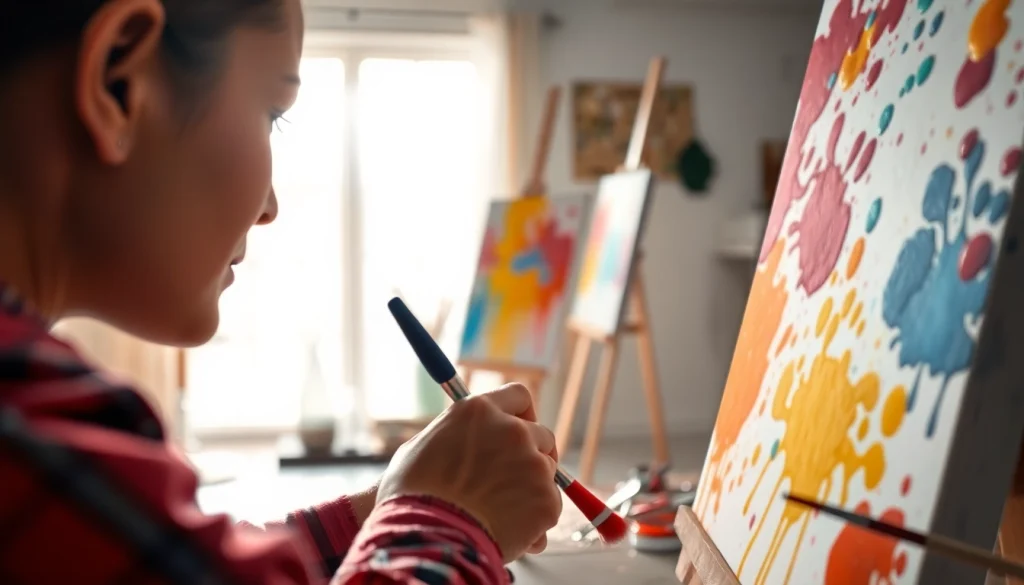
Understanding Acrylic Paint Basics
What is Acrylic Paint?
Acrylic paint is a fast-drying paint made of pigment suspended in an acrylic polymer emulsion. It can be diluted with water, but once dry, it is water-resistant. This unique feature of acrylic paint revolutionized the art world, allowing artists greater control over their mediums. Its versatility makes it suitable for various applications, from canvas painting to crafting and more. Artists appreciate acrylics for their vibrancy, quick drying time, and ease of use.
Key Ingredients in Acrylics
The primary ingredients of acrylic paint include pigments, water, and a polymer binder. Pigments are the fine particles that impart color, while the acrylic polymer binder holds the pigments together and adheres them to the painting surface. Water acts as a solvent, reducing viscosity and allowing for easier application. These ingredients work together to create a paint that exhibits excellent adhesion and durability when dry, which is critical for artists wanting their work to last.
Acrylic Paint vs. Other Mediums
When comparing acrylic paint to other mediums like oil or watercolor, several factors come into play. First, acrylic paints dry more quickly than oil paints, allowing for faster layering and manipulation of color. In contrast, oil paints can take days to dry, which can be beneficial for blending but restrictive for artists who prefer to work quickly. Watercolors are transparent and require a different approach in technique, focusing more on washes and layering than the opacity and coverage of acrylics. This versatility allows acrylics to bridge the gap between water-based and oil-based techniques, making them a favorite for many artists.
Essential Acrylic Painting Techniques
Blending Techniques for Smooth Transitions
Blending is crucial to creating depth and dimension in acrylic paintings. Two primary methods are the wet-on-wet blending technique, where wet paint is mixed with wet paint directly on the canvas, and the dry brushing technique, where a dry brush is used to mix and soften edges. To achieve a smooth gradient, ensuring that the colors you want to blend are still wet is essential. You can use a flat or round brush for effective blending. Experimenting with various brush pressures and angles can yield different results, allowing for a more dynamic finish.
Layering and Glazing in Acrylics
Layering involves applying several coats of paint to develop a rich and complex image. Glazing takes this a step further by using thin, transparent layers of paint to create depth and luminosity in the work. To glaze properly, artists should wait for each layer to dry completely before applying the next one. This technique can add nuances to colors, transforming a flat image into a piece filled with energy and vibrancy.
Brushwork Techniques You Should Master
Brushwork is an essential skill for acrylic artists, allowing for various textures and effects. Techniques such as stippling, scumbling, and sgraffito can add interest to a painting. Stippling uses small dots of color to create a sense of volume, while scumbling involves brushing on a sheer layer of paint, enhancing the texture beneath. Sgraffito, on the other hand, involves scratching into the wet paint to reveal colors beneath, offering a revealing contrast. Mastering these techniques widens an artist’s palette of expression, enabling them to execute more complex and visually appealing pieces.
Tools and Supplies for Acrylic Painting
Choosing the Right Brushes
The right brushes can significantly impact the outcome of an acrylic painting. Brushes are primarily categorized into two types: synthetic and natural. Synthetic brushes are often preferred for acrylics because they hold their shape well and resist damage from the paint’s water content. However, natural brushes can be employed for different techniques due to their varying textures and softness. A selection of flat, round, and detail brushes will cover most needs, providing versatility for fine detailing and broad strokes alike.
Recommended Acrylic Paint Brands
Choosing high-quality acrylic paint brands can make all the difference in the final work. Professional-grade paints generally provide better color saturation, pigmentation, and durability than student-grade options. Renowned brands have dedicated formulations and consistencies that appeal to different styles and techniques. When selecting your paints, consider investing in a few colors in the professional range, which can provide better overall results as you refine your skills.
Setting Up Your Painting Workspace
Creating an organized and inspiring workspace is crucial for any artist. Ensure your workspace is well-lit, whether through natural light or artificial sources, as proper lighting helps you see true colors. An easel provides stability, while a palette offers a dedicated area for mixing colors. Having a variety of containers for water and medium, as well as a cleaning station for brushes, will enhance your efficiency and creativity. Don’t forget ergonomics; your workspace should be comfortable for extended periods to maintain your artistic flow.
Creative Ideas for Acrylic Projects
Creating Texture in Acrylic Paintings
Texture adds depth and interest to any painting. Techniques such as impasto, where paint is laid on the canvas thickly, create a three-dimensional effect that invites viewers to explore the work tactilely. Tools like palette knives or even household items can create various textures. Also, incorporating materials like sand or modeling paste can add a unique visual quality to your artwork, encouraging creative exploration.
Unique Surfaces for Acrylic Art
Acrylics can be applied to various surfaces beyond traditional canvas. Consider painting on wood, burlap, glass, or even fabric for unique projects. Each surface affects the paint’s appearance and handling, offering a range of creative possibilities. To ensure the best adhesion and durability, proper preparation of the surface is vital, including priming or sealing as necessary.
Incorporating Mixed Media Elements
Mixed media painting blends different materials, including collage, ink, and acrylics, to create a multidimensional effect. This allows artists to combine varied textures and colors, leading to highly personalized work. Experimenting with papers, textiles, and found objects adds a narrative component to your art. It invites deeper engagement and can transform a simple painting into a multi-layered experience.
Caring for Your Acrylic Paintings
Correct Storage of Acrylic Paints
Proper storage of acrylic paints is essential to prolong their life and usability. Ensure that paint tubes and containers remain tightly sealed when not in use to prevent drying out. Store them in a cool, dry place, away from direct sunlight, as excessive heat can alter the consistency. For palette leftovers, consider using airtight containers to keep the paint workable for the next session.
Best Practices for Displaying Artwork
Displaying your finished acrylic paintings requires careful consideration. To avoid damage, frame your artwork under glass or acrylic, particularly when using traditional glass frames. Hanging your paintings away from direct sunlight prevents colors from fading and degrading over time. Additionally, ensure that your paintings are hung in a stable climate, avoiding areas exposed to moisture or extreme temperature changes.
Cleaning and Maintaining Brushes
Cleaning brushes immediately after use is vital to maintain their integrity. Rinse brushes in water to remove excess paint, then use mild soap or brush cleaner to ensure that all paint is eliminated. Reshape the bristles and lay brushes flat or upside down to dry. Regular maintenance not only extends the life of your brushes but also ensures optimal performance, resulting in cleaner lines and textures in your artwork.