
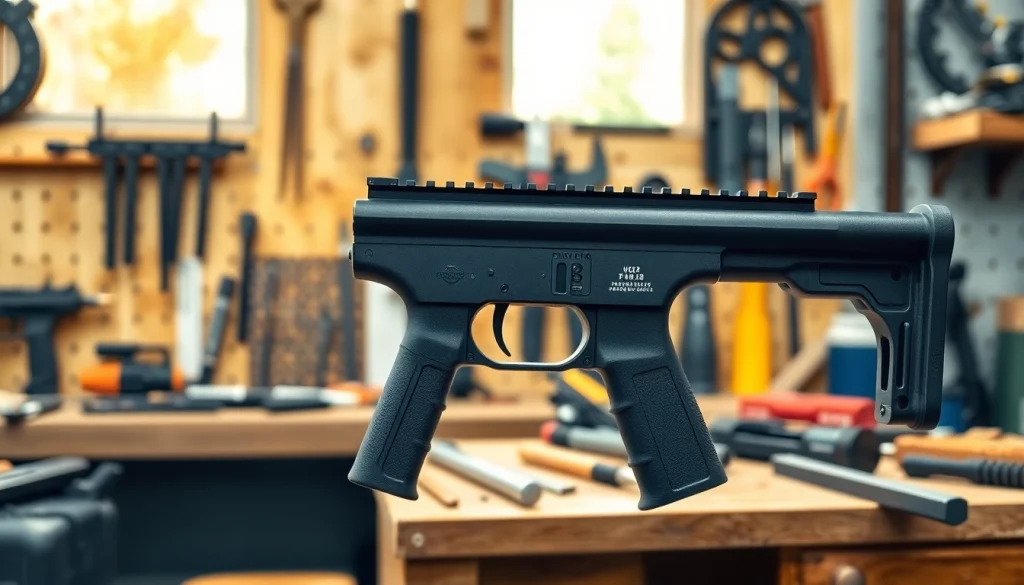
Understanding the Polymer 80 Frame
What is a Polymer 80 Frame?
The polymer 80 frame refers to a type of firearm frame that is crafted primarily from polymer material, designed to be completed or modified by users to create a fully functional handgun. These frames are marketed under the “80% frame” concept, suggesting that they are not fully finished and can be modified by the user to meet their specific needs. This allows enthusiasts flexibility in crafting their firearms.
History and Evolution of Polymer 80 Frames
The polymer 80 frame concept emerged in the early 2010s as part of a larger trend in the firearms industry focusing on customization and self-manufacture. What began as available aftermarket parts gradually transformed into complete kits that enable individuals to assemble their firearms, bypassing traditional manufacturing constraints. Over the years, regulatory challenges and advancements in polymer technology have refined these frames, making them more accessible and appealing to hobbyists and regular firearm owners alike.
Why Choose a Polymer 80 Frame?
There are several compelling reasons why enthusiasts opt for the polymer 80 frames. Firstly, they allow users to create custom firearms that cater to their personal specifications in terms of grip size, weight, and aesthetics. Additionally, these frames are often lighter than their metal counterparts, providing better agility and handling. Moreover, building a handgun from a polymer 80 frame can result in substantial cost savings compared to purchasing a fully finished firearm, especially for those who enjoy DIY projects.
Components of the Polymer 80 Frame
Essential Features of Polymer 80 Frames
Polymer 80 frames offer various features that enhance performance and user experience. They typically come with built-in stippling for improved grip and control, integrated trigger guards for safety, and customizable rail sections for attachments like lights and lasers. Additionally, many polymer 80 frames include ergonomic enhancements such as finger grooves and aggressive texture patterns designed to facilitate a secure hold during use.
Types of Polymer 80 Frames Available
The market offers an array of polymer 80 frames designed to fit different Glock models and even some other popular handgun designs. Common options include the PF940C frame, which is modeled after the Glock 19, and the PF940V2, which mimics the Glock 17. Variations often extend to color choices, stippling patterns, and additional compatibility features with aftermarket components. Understanding the specific model being built can enhance performance and compatibility with other firearm components.
Compatibility with Other Firearm Accessories
Compatibility is a critical consideration when choosing a polymer 80 frame. Most frames are designed to accommodate standard Glock components, including slides, barrels, and internal parts. This universal compatibility allows for easy upgrades and modifications. In addition, many frames have been designed to work seamlessly with after-market accessories such as extended controls, improved sights, and various grip enhancements, making it easier to tailor a build to a user’s particular style and requirements.
Steps to Build with a Polymer 80 Frame
Gathering Necessary Tools and Parts
The successful assembly of a polymer 80 frame generally requires a specific range of tools and parts. Basic tools include a cordless drill with appropriate drill bits, a dremel tool for fine adjustments, and a set of calipers for accurate measurements. Furthermore, essential parts include the polymer frame, compatible slide and barrel, internal components like the trigger assembly, and any desired accessories. Collecting everything ahead of time can streamline the assembly process.
Step-by-Step Assembly Instructions
- Prepare the Frame: Start by removing any excess material from the frame according to the provided instructions.
- Drill Necessary Holes: Using a drill, carefully create the required holes for the trigger pin, locking block pin, and hammer housing pin.
- Install Internal Components: Assemble the trigger, sear, and other internal components following the manufacturer’s guidelines.
- Fit the Slide and Barrel: Align and attach the slide and barrel to the frame to ensure proper functionality.
- Conduct Safety Checks: Perform a thorough inspection of the assembled frame for any issues before considering it ready for use.
Common Mistakes to Avoid
Building with a polymer 80 frame can present challenges to new builders. Common mistakes include not following the manufacturer’s instructions carefully, which may lead to misaligned holes or poorly fitting components. Additionally, over-drilling can weaken the structural integrity of the frame. Ensuring the use of the correct tools and taking one’s time during assembly can mitigate many of these issues. It’s also crucial to conduct safety evaluations after assembly to prevent malfunctions.
Performance and Customization Options
Enhancing Ergonomics and Aesthetics
Customizing a polymer 80 frame allows users to enhance both ergonomics and aesthetics efficiently. Users can add grips that better fit their hand shape or adjust the texture to suit personal preference. Aesthetic modifications can include cerakote finishes, custom decals, or even colored accents. Such enhancements not only improve the look but also the feel of the firearm, enabling users to create a uniquely personal tool.
How to Maintain Your Polymer 80 Frame
Maintenance is essential for ensuring the longevity and reliability of a polymer 80 frame. Regular cleaning involves removing the slide and barrel assembly to clean and lubricate moving parts thoroughly. Users should inspect the frame for cracks or excessive wear, particularly after extensive use. Proper maintenance routines help ensure that the firearm remains functional and safe to operate over time, preserving both its performance and value.
Popular Upgrades and Modifications
The realm of upgrades for polymer 80 frames is vast and varied. Common modifications include installing upgraded trigger assemblies for improved pull and response, custom sights for better targeting, and enhanced recoil management systems. Additionally, users may choose to add extended magazine releases and improved slide locks for better performance during operation. Engaging in thoughtful upgrades can significantly enhance overall user experience and enjoyment.
Legal and Safety Considerations
Understanding Firearm Regulations
When dealing with polymer 80 frames, it’s vital to be aware of and understand the firearms regulations governing their use. Different states have varying laws regarding what constitutes a firearm and regulations regarding the sale and construction of homemade firearms. Engaging with local regulations before undertaking a build ensures compliance and decreases the risk of legal complications down the line.
Safety Guidelines While Building
Ensuring safety during the build process is paramount. This includes wearing proper safety gear such as goggles and gloves to protect against flying debris and sharp edges. Furthermore, employing safe handling practices with tools and materials dictates a more streamlined building process. After assembly, conducting safety functions checks before attempting to fire the newly built handgun is critical to ensure safety and foundational integrity.
Staying Informed on Legal Changes
As the legal landscape surrounding firearm construction changes rapidly, staying informed is essential. Engaging with reliable sources for updates on legislation, compliance requirements, and new regulations surrounding 80% frames helps ensure that builders operate within the law. Periodically reviewing state and federal regulations pertaining to firearms can aid in maintaining legal compliance and avoid potential penalties.
Frequently Asked Questions
1. What tools do I need to build a Polymer 80 Frame?
You will require a drill, Dremel tool, calipers, and standard hand tools like screwdrivers and pliers to build a polymer 80 frame.
2. Are Polymer 80 Frames legal in all states?
Legality varies by jurisdiction; it’s essential to check local laws regarding homemade firearms and 80% frames before purchasing or building.
3. Can I customize a Polymer 80 Frame?
Absolutely! You can customize grips, finishes, and internal components to enhance both performance and aesthetics of your polymer 80 frame.
4. How do I maintain my Polymer 80 Frame?
Regular cleaning, lubrication, and inspection for wear and damage will help you maintain the longevity and performance of your polymer 80 frame.
5. What are the benefits of using a Polymer 80 Frame?
Benefits include customization options, cost-effectiveness compared to finished firearms, and the opportunity to build a firearm that fits your preferences exactly.