- Understanding House Extension Construction
- Planning Your House Extension
- The House Extension Construction Process
- Key Features to Include in Your Extension
- Choosing the Right Builder for Your Extension
- Cost Breakdown of House Extensions
- Benefits of a House Extension
- Tips for a Smooth House Extension
- Conclusion
Understanding House Extension Construction
As homeowners seek innovative ways to enhance their living spaces, house extension construction has emerged as a popular and practical solution. It not only maximizes functionality but also adds significant value to properties in Melbourne. Whether you’re welcoming a new family member, starting a home office, or looking to modernize your home, a thoughtfully designed extension can transform your living environment into a comfortable, stylish space that meets your needs.
Why Consider a House Extension?
Choosing to extend your home rather than move offers numerous advantages. First and foremost, it can save you the stress, time, and costs associated with relocation. For families seeking more room, a house extension allows you to stay in your beloved neighborhood while enhancing your home’s utility and aesthetics. Moreover, extensions can be tailored to reflect your unique style, increase energy efficiency, and better accommodate your lifestyle.
Planning Your House Extension
Before commencing your project, careful planning is essential. Consider your objectives for the extension: Is it to create a spacious open-plan area, additional bedrooms, or perhaps a dedicated study? This clarity will guide your discussions with builders and architects, ensuring your vision aligns with practical design solutions. Understanding Melbourne’s architectural landscape is also crucial, as your extension should harmonize with the existing structure while remaining compliant with local regulations.
Understanding the Cost of House Extensions
The cost of a house extension can vary significantly based on factors such as size, materials, and design features. A thorough budget should account for not just construction expenses but also permits, architect fees, and interior finishes. The average cost for various types of extensions can give homeowners a ballpark figure; however, working closely with your builder will provide a more personalized and accurate estimate.
Planning Your House Extension
Defining Your Needs and Vision
The first step in planning is to define your needs and vision for the extension. What spaces do you want to create? For example, if your family is growing, you may need extra bedrooms and a larger living area. Alternatively, if you work from home, incorporating a home office into your extension could improve productivity. Identifying these requirements is critical, as it helps inform your discussions with professionals, ensuring the final design meets your expectations.
Budgeting for Your Project
Setting a realistic budget is fundamental to avoiding potential financial strain. Begin by drafting a rough estimate of costs associated with construction materials, labor, and any additional features like landscaping or high-end finishes. Remember to include a contingency fund of at least 10-20% of the total budget to cover unexpected expenses that may arise during the construction process.
Obtaining Necessary Permits and Approvals
In Melbourne, securing the required permits and approvals is a legal necessity before starting construction. Building regulations vary depending on the scope of your extension; thus, it’s wise to consult with your builder or a local planning authority to ensure compliance. This process can be complex, but an experienced builder can guide you through the necessary steps and streamline the approval process.
The House Extension Construction Process
Initial Consultation and Design Phase
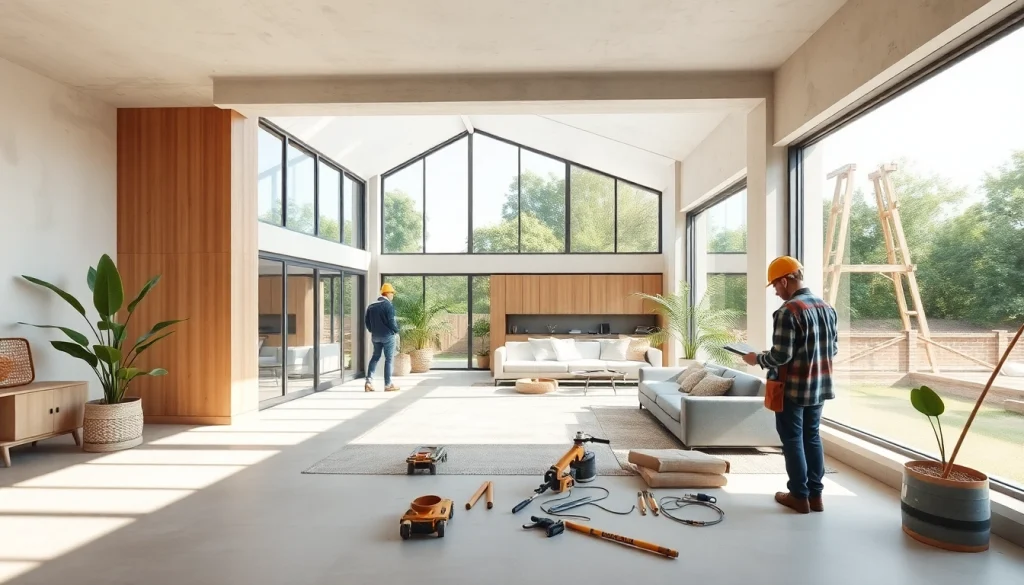
Once planning is complete and permits are in place, the construction process can begin. The initial consultation involves discussing your design ideas with the builder, who will provide their insights and recommendations based on experience and practical considerations. During this phase, detailed plans and drawings are created, allowing everyone involved to visualize the project before construction starts.
Site Preparation Techniques
Preparing the site is a crucial step before construction begins. This may involve clearing the area of debris, removing old structures if necessary, and ensuring the ground is level. Proper site preparation is key to a successful extension, as it forms the foundation upon which your new space will be built.
Construction Phases: From Framing to Finishing
The actual construction process can be broken down into several phases:
- Framing and Structural Work: This is where the skeleton of your extension is built, including walls, roofing, and support structures.
- Electrical and Plumbing Installation: Essential systems such as electrical wiring, plumbing lines, and HVAC systems are installed to ensure your new space is functional and comfortable.
- Internal Finishing: Finally, walls are plastered, flooring is laid, and fixtures are installed, bringing your vision to life with your personal touch.
Key Features to Include in Your Extension
Incorporating Open-Plan Living Areas
Open-plan living areas have become increasingly popular in modern home design, promoting a sense of spaciousness and flow. Removing walls to create a combined kitchen and living area can enhance light and foster a more social environment, making it ideal for families.
Custom Kitchen Designs for Modern Homes
The kitchen is often considered the heart of the home, making kitchen design an essential part of any extension. Consider incorporating smart storage solutions, energy-efficient appliances, and modern finishes to create a space that’s not only functional but stylish. A well-designed kitchen can significantly improve your daily routines and overall home experience.
Sustainable Features for Eco-Friendly Extensions
With growing environmental concerns, incorporating sustainable features into your extension can enhance energy efficiency and reduce your carbon footprint. Options like solar panels, energy-efficient windows, and sustainable materials not only benefit the environment but can also lead to long-term savings on energy bills.
Choosing the Right Builder for Your Extension
Qualities of a Reliable Builder
Finding the right builder is paramount to the success of your house extension project. Look for builders who possess relevant experience, strong references, and a portfolio showcasing completed projects similar in scope to yours. A reliable builder should be able to communicate effectively, understanding your vision while providing practical solutions.
Questions to Ask During Initial Consultations
During your initial meetings with potential builders, ask them key questions to gauge their expertise and suitability:
- What is your experience with house extensions?
- Can you provide references from previous clients?
- What is your approach to managing timelines and budgets?
- How do you handle unexpected issues during construction?
Reviewing Builder Portfolios and Past Projects
Reviewing a builder’s portfolio is a great way to assess their capabilities. Look for projects that align with your vision and pay attention to the quality of workmanship. A good builder will have a range of past projects showcasing their versatility and attention to detail.
Cost Breakdown of House Extensions
The costs associated with house extensions can vary widely depending on a range of factors. Here’s a rough breakdown of potential costs to help you start budgeting:
- Single-Storey Extensions: Typically range from $1,900 to $2,400 per square meter.
- Two-Storey Extensions: Can cost approximately 50% more than single-storey options.
- Basement Extensions: Costs can vary significantly depending on location and excavation needs.
- Loft Conversions: Usually range from $1,200 to $1,500 per square meter.
It’s important to have a detailed discussion with your builder regarding costs, as they will help you prioritize features while staying within budget.
Benefits of a House Extension
Extending your home offers numerous advantages that can greatly enhance your living experience:
- Increased Space: Adding an extension gives you the extra space needed for growing families or changing lifestyles.
- Increased Property Value: A well-executed extension can significantly boost the value of your home, making it a sound investment.
- Improved Aesthetic Appeal: Extensions can be designed to enhance your home’s existing architectural style, improving curb appeal.
- Cost-Effective: Compared to moving, extending can often provide a more economical solution to space constraints.
Tips for a Smooth House Extension
1. Define Your Needs
Before diving into construction, take the time to define your needs clearly. What shortcomings does your current space have? Addressing these questions early on will save time and money down the line.
2. Set a Budget
Establish a realistic budget that includes all aspects of the extension. Be sure to leave room for unexpected costs and ensure it aligns with your vision.
3. Get Permits and Approvals
Ensure all necessary permits and approvals are obtained before construction begins. This will help you avoid legal issues that can arise from moving forward without the appropriate documentation.
4. Hire a Reliable Builder
Finding a reliable builder who understands your vision can make or break your project. Take your time to vet potential candidates thoroughly.
Conclusion
A house extension construction is a transformative journey that can dramatically enhance your home and lifestyle. With a clear plan, a dedicated builder, and an understanding of your needs, your home can become the ultimate reflection of your family’s style and functionality. As you embark on this exciting project, remember to keep communication open and remain flexible to adjustments along the way. Ready to expand your living space? Let’s make your vision a reality!