
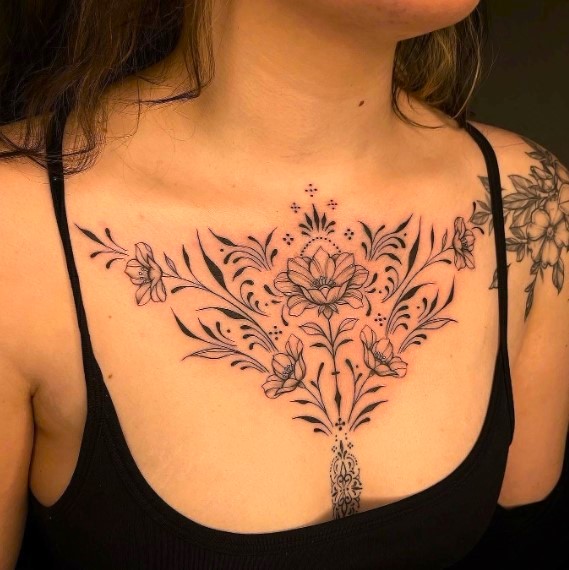
Understanding Tattoo Styles at Tattoostyles24.com
Tattoos have evolved into a universal form of self-expression, transcending cultures and generations. At Tattoostyles24.com, we invite you to delve into the rich diversity of tattoo styles. Whether you’re seeking ideas for your first tattoo or planning a meaningful piece for your collection, understanding the various styles can help you make an informed decision.
Popular Tattoo Genres
Various genres of tattoos offer unique aesthetics, meanings, and artistic styles. Some of the most popular genres include:
- Traditional: Often characterized by bold lines and vibrant colors, traditional tattoos often depict elements like roses, skulls, or anchors.
- Realistic: These tattoos strive for a lifelike representation, including portraits of loved ones or intricate landscapes.
- Watercolor: A relatively newer style, watercolor tattoos mimic the flowing and blended appearance of watercolor paintings.
- Tribal: Featuring symbolic patterns primarily drawn from ancient cultures, tribal tattoos are often black and focus on abstract designs.
- Minimalist: Simple lines and minimal detail define this genre, appealing to those who favor subtler designs.
Choosing the Right Style for You
Selecting a tattoo style involves personal reflection and research. Consider the following aspects:
- Meaning: Reflect on what the tattoo will represent for you—whether it’s personal growth, memorialization, or artistic expression.
- Placement: Think about where you want the tattoo on your body, as certain designs may work better on specific areas.
- Consultation: Engaging with tattoo artists can provide insight into styles that suit your vision, as they can recommend designs applicable to your body shape and skin tone.
Mix and Match Techniques
Combining elements from various styles can lead to a unique design that’s tailored to your personal taste. For example, you can incorporate watercolor elements into a realistic portrait, or combine geometrical patterns with traditional designs to create a hybrid tattoo. Discuss your ideas with your tattoo artist who can bring this vision to life effectively.
History and Culture of Tattoos
The practice of tattooing has deep historical roots across the globe. By exploring its history and significance, we can gain a better appreciation for this art form.
The Evolution of Tattooing Practices
From ancient tribal markings to modern artistic expressions, tattooing has evolved markedly over centuries. Initially, tattoos served as rites of passage, status symbols, and expressions of continuity in different cultures, often utilizing rudimentary tools made from bones, thorns, and natural pigments.
Significance of Tattoos in Various Cultures
Tattoos carry immense cultural weight and meanings, varying significantly around the world:
- Polynesian Tattoos: Specific patterns represent lineage, military prowess, and personal achievements.
- Japanese Irezumi: Characterized by vivid colors and intricate back pieces, these tattoos often depict folklore and mythological stories.
- Native American Tattoos: These often serve as protective symbols or record familial accomplishments.
Modern Interpretations and Trends
In contemporary society, tattoos are mainstream, embraced across diverse demographics. The advent of social media has cultivated an environment where tattoo artists showcase their work globally, contributing to trends such as fine line tattoos and geometric designs. New ink technologies have also improved the permanence and vibrancy of tattoos, making them more appealing to a wider audience.
Safety and Aftercare Tips for Tattoos
Understanding safety and aftercare is crucial for ensuring optimal healing and longevity of your new tattoo.
Understanding Tattoo Inks and Tools
High-quality, vegan-friendly inks are preferred by many artists today, ensuring safety and reducing allergens. It’s essential to inquire about the ingredients in the ink to avoid potential reactions. Moreover, understanding the tattooing tools—like needles and machines—helps in ensuring a sterile environment.
What To Expect During the Tattoo Process
The tattoo process varies based on the design complexity and the artist’s technique. Initially, a stencil of your design will be applied to your body to give you a preview. Most artists will then use a machine to apply the ink, which can create varying sensations; it’s essential to communicate your comfort level during this process.
Aftercare: Ensuring Tattoo Longevity
Proper aftercare involves keeping your tattoo clean and moisturized. Following your artist’s care instructions is crucial, including applying ointment and avoiding sun exposure for the first few weeks. It’s also important to resist the urge to scratch or peel the area as it heals.
Finding Inspiration and Resources at Tattoostyles24.com
Gathering inspiration is crucial, whether for your first or next tattoo. Tattoostyles24.com offers a wealth of resources.
Where to Look for Tattoo Ideas
Exploring various sources such as art, nature, or your own life experiences can spark inspiration. Additionally, Tattoostyles24.com provides galleries featuring different tattoo styles and artists that can guide your selections.
Engaging with Tattoo Artists and Communities
Connecting with tattoo artists on social media platforms allows you to view their portfolios and get insights into their creative processes. Engaging in tattoo communities—either online or locally—can also help you learn from other enthusiasts’ experiences.
Utilizing Social Media for Tattoo Inspiration
Platforms like Instagram and Pinterest serve as excellent resources for exploring tattoo artworks from around the world. You can follow hashtags relevant to the styles you’re interested in and discover emerging artists as well.
FAQs About Tattoos and Services Offered
How to Select the Right Tattoo Artist?
Start by researching artists’ portfolios, focusing on their style and technique. Consultations before booking can help assess their professionalism and compatibility with your vision.
What Are the Costs Involved in Getting a Tattoo?
Costs can vary significantly based on size, complexity, and location of the tattoo. Artists may charge hourly or by piece, and it’s crucial to get a quote before proceeding.
Are There Any Risks with Tattoos?
Risk factors include infections, allergic reactions to inks, and complications with the healing process. Ensuring good hygiene and aftercare practices considerably reduce these risks.
What Types of Designs are Popular Today?
Currently, minimalistic, geometric, and nature-inspired tattoos are trending. However, personal significance and custom designs continue to hold timeless appeal.
How Often Should I Retouch My Tattoo?
Tattoo longevity depends on aftercare and exposure to elements. Generally, larger or colored tattoos might need retouching every few years to maintain their vibrancy, while finer lines may fade more swiftly.