
Top Strategies for Efficient Emergency HVAC Repair When You Need It Most
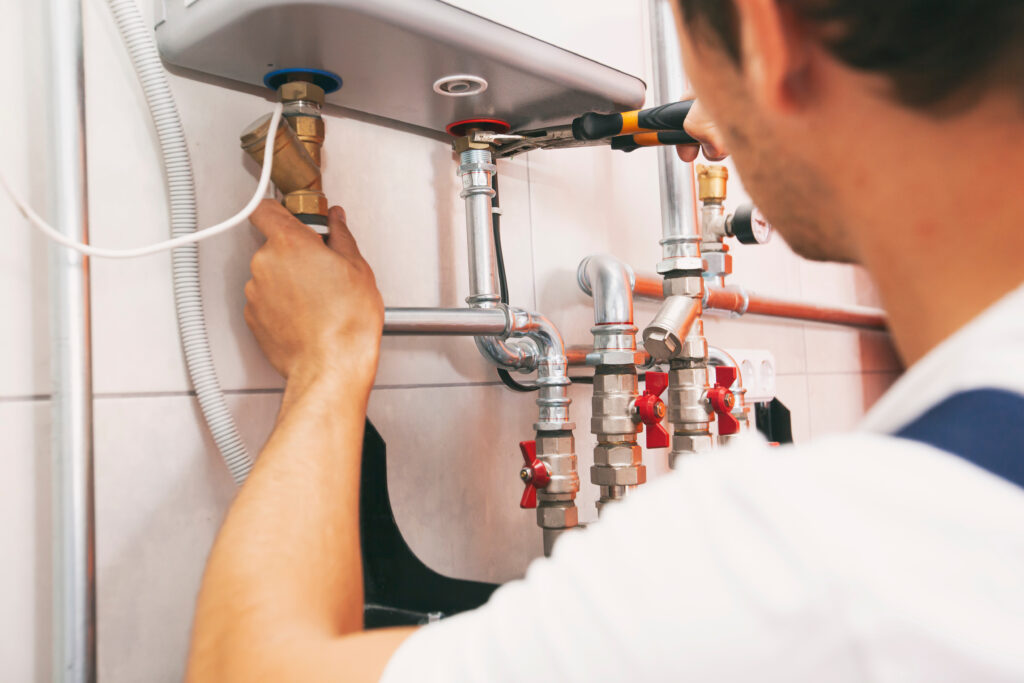
Understanding Emergency HVAC Repair
When your heating or cooling system suddenly fails, you may find yourself facing a stressful situation that calls for immediate action. This is where understanding emergency HVAC repair becomes crucial. Emergency HVAC repair involves urgent fixes to heating, ventilation, and air conditioning systems that are malfunctioning in a way that could lead to discomfort or health risks. Knowing how to identify an HVAC emergency can save you from unnecessary delays and potential property damage.
What Constitutes an Emergency?
An HVAC emergency is typically characterized by issues that render your system inoperable and may pose immediate health or safety risks. For example, a complete furnace failure during freezing temperatures can expose your home to dangerously low temperatures. Similarly, a malfunctioning air conditioning unit during a heatwave can create unsafe indoor conditions, especially for vulnerable individuals such as infants and the elderly. It’s essential to recognize these scenarios as legitimate emergencies requiring prompt attention.
Common Types of Emergency HVAC Repairs
Several situations can classify as urgent HVAC repair needs. Common examples include:
- Loss of Heating: When you lose heating entirely, especially in winter, it may call for emergency service.
- Loss of Cooling: A sudden breakdown of air conditioning in extreme heat can lead to heat-related illnesses.
- Gas Leaks: Any signs of gas leaks require immediate action due to the potential for explosions or poisoning.
- Water Leaks: Leaking systems not only damage property but can create hazards such as mold and electrical risks.
- Strange Noises: Unusual sounds from your HVAC system may indicate mechanical failures that need urgent attention.
Signs You Need Immediate HVAC Assistance
Recognizing the signs of HVAC failure allows you to act quickly and minimize damages or discomfort. Look for:
- Inability to maintain temperature settings.
- Foul odors emitted when the system operates.
- Continuous operation of the system without shutting off.
- Increased energy bills due to inefficient heating or cooling.
- Presence of moisture or refrigerant leaks around the unit.
Choosing the Right Service for Emergency HVAC Repair
When you face an HVAC emergency, selecting the right repair service can significantly impact the outcome. There are several factors to consider in your decision-making process.
Evaluating Experience and Qualifications
One of the first aspects to consider when choosing a repair service is the experience and qualifications of the technicians. Look for companies that employ licensed and certified professionals. Experienced technicians have a deeper understanding of various HVAC systems and are more likely to diagnose and resolve issues efficiently. It’s also helpful to read customer reviews and testimonials to gauge the service quality.
Importance of 24/7 Availability
HVAC problems can arise unexpectedly, often at inconvenient times. A reliable emergency HVAC service should offer 24/7 availability. This ensures that help is just a call away, whether it’s the middle of the night or during holiday seasons. Companies that provide this level of service typically understand the urgency surrounding HVAC emergencies and prioritize customer satisfaction.
Cost Considerations for Emergency Repairs
Emergency HVAC repairs often incur higher costs than regular maintenance services. Factors influencing the price include the extent of the problem, the time of the service call, and the types of parts required for the repair. It’s advisable to ask for an estimate beforehand and to clarify if additional fees apply for after-hours assistance. Some reputable companies may also offer financing options to ease the financial burden.
DIY vs. Professional Emergency HVAC Repair
As a homeowner, you might wonder whether you can handle an HVAC emergency on your own or if you should call a professional. Understanding when to utilize DIY methods versus seeking professional help is essential.
When to Attempt DIY Repairs Safely
There are instances where minor repairs may be approached as DIY projects. For example, if your system has a tripped breaker, resetting it can often resolve the issue quickly. Additionally, changing filters and cleaning vents can improve system efficiency. However, ensure that any tasks you attempt do not involve complex electrical work or gas lines.
Common Mistakes to Avoid
If you decide to attempt a DIY repair, be aware of common pitfalls. These can include:
- Ignoring safety protocols, such as turning off power sources before working on the unit.
- Using incorrect tools, leading to further damage to the HVAC system.
- Attempting to fix problems beyond your expertise, which can exacerbate issues.
Benefits of Hiring Professionals
While DIY repairs can be tempting, hiring professional HVAC technicians is often the safer and more effective option. Benefits of employing a skilled technician include:
- Thorough knowledge of HVAC systems and issues.
- Access to specialized tools and equipment for efficient repair.
- Guaranteed work and potential warranties on repairs.
- Reduced risk of injury or property damage.
Best Practices for Emergency HVAC Repair
To minimize the likelihood of an HVAC emergency, it is vital to adopt best practices to maintain your system and prepare for potential issues.
Preventive Maintenance Tips
Regular maintenance is key to preventing emergencies. Here are essential tips:
- Schedule annual inspections with a professional.
- Change filters regularly, typically every one to three months.
- Keep vents and ducts clean and unobstructed.
- Keep outdoor units free of debris and vegetation.
Preparing for Potential Emergencies
Preparation also plays a crucial role in effective responses to HVAC emergencies. Consider compiling an emergency HVAC kit that includes:
- Useful tools such as screwdrivers, wrenches, and duct tape.
- A list of contact information for trusted HVAC services.
- Emergency contact numbers for household members.
Essential Tools for Emergency Repairs
You may find it beneficial to have certain tools on hand for minor repairs or assessments. Essential tools can include:
- A multimeter for testing electrical components.
- Wrenches and screwdrivers for tightening connections.
- Pipe wrenches to handle plumbing connections in HVAC systems.
- Vacuum cleaners to eliminate debris from vents.
Frequently Asked Questions About Emergency HVAC Repair
What should I do if my HVAC system suddenly fails?
First, assess the situation. Check the thermostat, circuit breaker, and filters. If the issue is severe, contact a professional HVAC service immediately.
How can I avoid emergency HVAC repairs in the future?
Regular maintenance, such as annual inspections and timely filter changes, can help prevent unexpected failures and prolong your system’s life.
What are the common costs associated with emergency HVAC repairs?
Costs can vary significantly, but typical rates include the service call fee plus additional charges for parts and labor. Expect higher prices for after-hours service.
How can I find a reliable HVAC repair technician?
Search for licensed and certified technicians. Read reviews online, check referrals, and look for companies with a solid customer service record.
What are the signs that my HVAC system needs urgent repair?
Signs include inconsistent temperatures, strange noises, foul odors, and unusual increases in energy bills. If in doubt, consult a professional.