
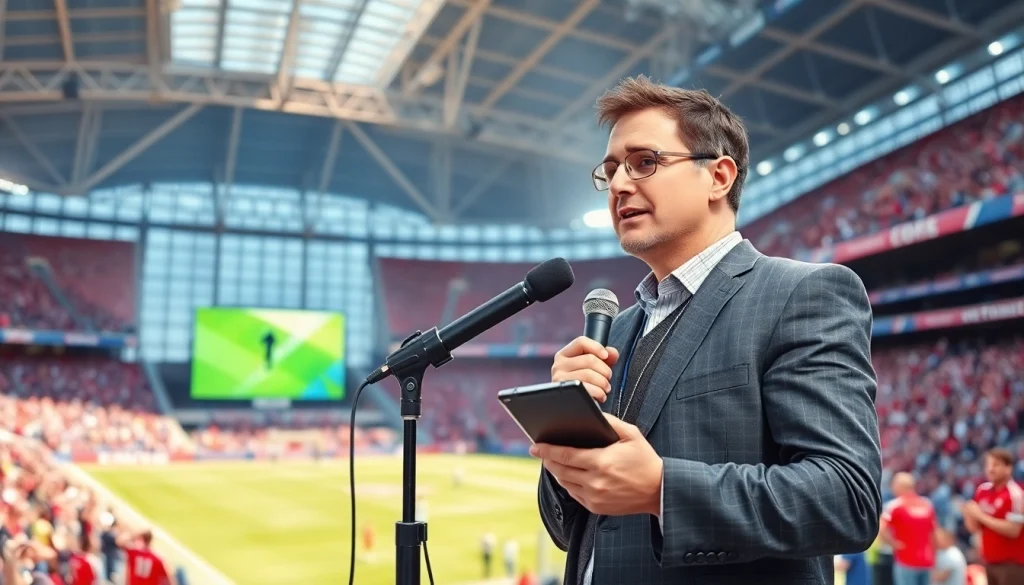
Understanding Sports Broadcasting
Sports Broadcasting is an essential aspect of the sports industry, connecting fans to their favorite teams and events. It encompasses various media formats, including television, radio, and digital platforms, providing real-time commentary, analysis, and entertainment. The evolution of technology has greatly impacted how sports content is delivered and consumed, leading to a more engaged audience. In this article, we will explore the evolution, key elements, and technological implications of sports broadcasting, offering insights and best practices for engaging viewers effectively.
As we delve deeper into the intricacies of Sports Broadcasting, we will uncover strategies to enhance audience interaction and create compelling content that meets the expectations of modern viewers. Let’s begin with the history of sports broadcasting.
The Evolution of Sports Broadcasting
The history of sports broadcasting dates back to the early 20th century when the first radio broadcasts of live sports events were introduced. As technology advanced, television took over as the main medium for sports broadcasting in the mid-1900s, allowing audiences to experience games visually. Initially, broadcasts were limited to local radio stations and regional television networks, but as cable and satellite television emerged, access to live sports expanded substantially.
The digital revolution marked another significant leap forward. The advent of the internet brought streaming services and social media, transforming how fans engage with sports content. Today, platforms such as YouTube, Twitch, and various sports networks provide fans with more choices and greater accessibility to live events and highlights. Notably, eSports broadcasting has also gained traction, reflecting a shift in viewer interests, especially among younger audiences.
As we look at the current landscape, we see a blend of traditional broadcasting and modern digital strategies, creating a comprehensive experience for viewers. This evolution is foundational for understanding how broadcasters can tailor their approaches to meet audience demands.
Key Elements of Effective Broadcasting
Effective sports broadcasting goes beyond merely showing the event; it involves a strategic approach to engage the audience continuously. Here are key elements to consider:
- Commentary and Analysis: Insightful commentary can transform a mundane event into a thrilling experience. Broadcasters must possess not only knowledge of the sport but also the ability to deliver this information in an engaging manner.
- Visual Elements: High-quality camera work, varied angles, and visually appealing graphics enhance viewer engagement. Incorporating graphics to provide real-time stats or slow-motion replays during critical moments can keep the audience invested.
- Storytelling: Narratives play a crucial role in captivating audiences. Tailoring stories around teams, players, and historical rivalries creates emotional connections, making the experience more memorable.
- Interactivity: Engaging with the audience through polls, Q&A sessions, or social media interactions encourages active participation and creates a sense of community.
Recognizing and implementing these elements can set a broadcast apart and lead to a loyal and engaged viewer base.
The Role of Technology in Sports Broadcasting
Technology has transformed the sports broadcasting industry, driving innovation at every level. Key advancements include:
- Streaming Services: The shift from traditional cable to over-the-top services (OTT) allows viewers to watch games on demand, significantly altering viewing habits.
- Augmented Reality (AR) & Virtual Reality (VR): These technologies offer immersive experiences for viewers, including 360-degree game views and interactive player stats.
- Data Analytics: Data is now integral to broadcasting, offering insights into player performance, predictive analytics, and fan engagement patterns that broadcasters can leverage to enhance their content.
- Social Media Integration: Platforms like Twitter and Instagram facilitate real-time engagement and help broadcasters create a multi-channel experience for their audience.
Understanding and leveraging these technologies are crucial for broadcasters aiming to deliver exceptional viewer experiences today and in the future.
Audience Engagement Strategies
Building a Loyal Audience in Sports Broadcasting
Establishing a loyal audience requires consistent effort and strategic engagement. Here are essential strategies for building this loyalty:
- Consistency: Regularly scheduled broadcasts and reliable content keep audiences coming back. Consistency fosters trust and helps cultivate viewer habits.
- Local Content: Incorporating local teams and sports can resonate deeply with regional audiences. Tailoring content to local interests enhances relatability.
- Community Building: Creating forums or online communities for fans to discuss games and share opinions encourages interaction and loyalty.
The goal is to create a dedicated viewer base that not only watches but actively participates in the experience.
Utilizing Social Media for Interaction
Social media has revolutionized how audiences interact with sports broadcasts. Broadcasters can leverage these platforms in various ways:
- Real-Time Engagement: During live broadcasts, using platforms like Twitter for live tweets and updates can engage viewers who are unable to watch.
- User-Generated Content: Encouraging fans to share their experiences or highlights enhances engagement and creates a sense of community.
- Exclusive Content: Providing behind-the-scenes glimpses or interviews on social media can intrigue fans, keeping them connected beyond the broadcast.
Effective social media strategies can significantly enhance the overall broadcasting experience and deepen audience relationships.
Incorporating Viewer Feedback in Broadcasts
Incorporating audience feedback into broadcasts can help tailor content to viewer preferences. Here’s how to implement it:
- Surveys and Polls: Regularly asking for viewer opinions on specific segments or themes can inform future content decisions.
- Live Feedback: Utilizing technology to facilitate real-time feedback during broadcasts allows audiences to express their views instantaneously.
- Community Engagement: Actively responding to viewer comments on social media and integrating their input into broadcasts demonstrates that their opinions matter.
By valuing viewer feedback, broadcasters foster a stronger connection with their audience and improve the overall quality of their content.
Content Creation Best Practices
Crafting Compelling Sports Narratives
Creating engaging narratives is essential to capturing and retaining audience attention. Effective storytelling can include:
- Character Building: Focusing on players and their personal journeys can humanize the story, making it relatable for viewers.
- Plot Development: Building excitement through on-screen drama, rivalries, and defining moments keeps audiences engaged.
- Impactful Conclusions: Providing closure to stories through post-game analyses enriches the viewing experience.
Well-crafted narratives resonate with viewers, fostering emotional investment in the sport and its characters.
Visual Storytelling in Sports Broadcasting
Visual elements are key to enhancing the storytelling aspect of sports broadcasting. Implementing effective visual storytelling can involve:
- Infographics: Presenting statistics visually can make the information more digestible and impactful for viewers.
- High-Quality Visuals: Ensuring that the broadcast has sharp images and good lighting will maintain viewer attention.
- Cinematic Techniques: Utilizing techniques like drone shots and slow-motion can enhance the viewing experience, making significant moments even more dramatic.
The fusion of skilled commentary with well-executed visuals creates a more immersive and enjoyable broadcast experience.
Adapting Content for Diverse Platforms
With the rise of various content platforms, adapting broadcasts to fit different mediums is essential. Consider the following strategies:
- Platform-Specific Content: Each social media platform has unique characteristics; adapting the format and content type for each can increase engagement.
- Short-Form Content: Creating bite-sized highlights and clips suitable for platforms like TikTok can attract a broader audience.
- Engaging with Influencers: Collaborating with social media influencers or fan accounts can extend reach and attract new audiences.
Tailoring content for various platforms ensures a consistent and effective approach to audience engagement.
Navigating the Challenges of Sports Broadcasting
Managing Live Broadcast Difficulties
Live broadcasting comes with inherent challenges, from technical glitches to unpredictable game events. Here are strategies to manage these difficulties:
- Preparation: Always have backup equipment and personnel ready to step in if needed. Conducting rehearsals can also reveal potential issues.
- Effective Communication: Keeping clear lines of communication among the production team ensures that everyone is informed and can react quickly when problems arise.
- Real-Time Problem Solving: Developing a quick-response strategy for technical problems can minimize viewer disruption during the broadcast.
By anticipating potential issues and preparing accordingly, broadcasters can maintain professionalism and ensure a smooth viewing experience.
Legal Considerations in Sports Broadcasting
Understanding legalities is crucial for any sports broadcaster. Consider the following legal factors:
- Copyright Laws: Familiarize yourself with copyright issues to avoid unauthorized use of footage or music.
- Broadcast Rights: Ensure compliance with licensing agreements that dictate whom and what you can broadcast.
- Advertising Regulations: Different platforms may have specific rules regarding advertisements, which must be adhered to during broadcasts.
Awareness of these legal considerations can prevent costly mistakes and ensure smooth operations.
Addressing Audience Expectations
Viewers today have high expectations when it comes to sports broadcasts. Here’s how to meet those expectations:
- Quality Production: Investing in high production standards, including high-definition visuals and sound quality, is expected by audiences.
- Timely and Relevant Content: Broadcasting up-to-date information, including player stats and game highlights, is vital for viewer satisfaction.
- Transparency: Being open about any issues and providing timely updates can foster trust and loyalty among viewers.
By fulfilling audience expectations and demonstrating a commitment to quality, broadcasters can enhance viewer satisfaction and encourage loyalty.
Future Trends in Sports Broadcasting
The Impact of Augmented Reality on Broadcasting
Augmented reality (AR) is poised to revolutionize sports broadcasting by enhancing viewer engagement through immersive experiences. By overlaying statistics, player information, and visual effects onto live broadcasts, AR can provide a richer viewing experience. For example, during a football game, AR can offer real-time analytics about player performance directly on the screen. This innovative approach not only captivates audiences but also helps them understand the complexities of the game better.
Evolving Viewership Habits in Sports Broadcasting
The way audiences consume sports content is rapidly changing. Factors like the rise of mobile devices and OTT platforms have shifted viewership from traditional television to on-the-go streaming. Moreover, younger demographics prefer social media highlights over full games, leading broadcasters to adapt their strategies accordingly. Acknowledging these evolving habits is essential for broadcasters aiming to capture and retain audience attention in this dynamic landscape.
Predictions for the Future of the Industry
The sports broadcasting industry is poised for continued innovation. Future trends may include greater integration of AI to enhance content personalization and data analytics for tailoring broadcasts to specific viewer needs. Additionally, the growth of eSports as a mainstream entertainment option is likely to shape broadcasting strategies, providing new opportunities for audience engagement and revenue generation. Broadcasters must remain attuned to these trends to navigate the future landscape effectively.
Frequently Asked Questions
What is Sports Broadcasting?
Sports Broadcasting involves the transmission of live sports events through various media channels, including TV, radio, and online platforms.
How has technology impacted Sports Broadcasting?
Advancements in technology have transformed sports broadcasting, enabling streaming, data analytics, and immersive experiences such as AR and VR.
What are key strategies for audience engagement?
Effective engagement strategies include building community, utilizing social media, and incorporating viewer feedback into content.
What legal considerations should broadcasters keep in mind?
Broadcasters must understand copyright laws, broadcasting rights, and advertisement regulations to ensure compliance and avoid legal issues.
What trends are shaping the future of Sports Broadcasting?
Future trends include greater integration of AI, evolving viewing habits towards mobile consumption, and the influence of eSports on traditional broadcasting.