
How to Choose the Right Vacuum for Your Home Needs
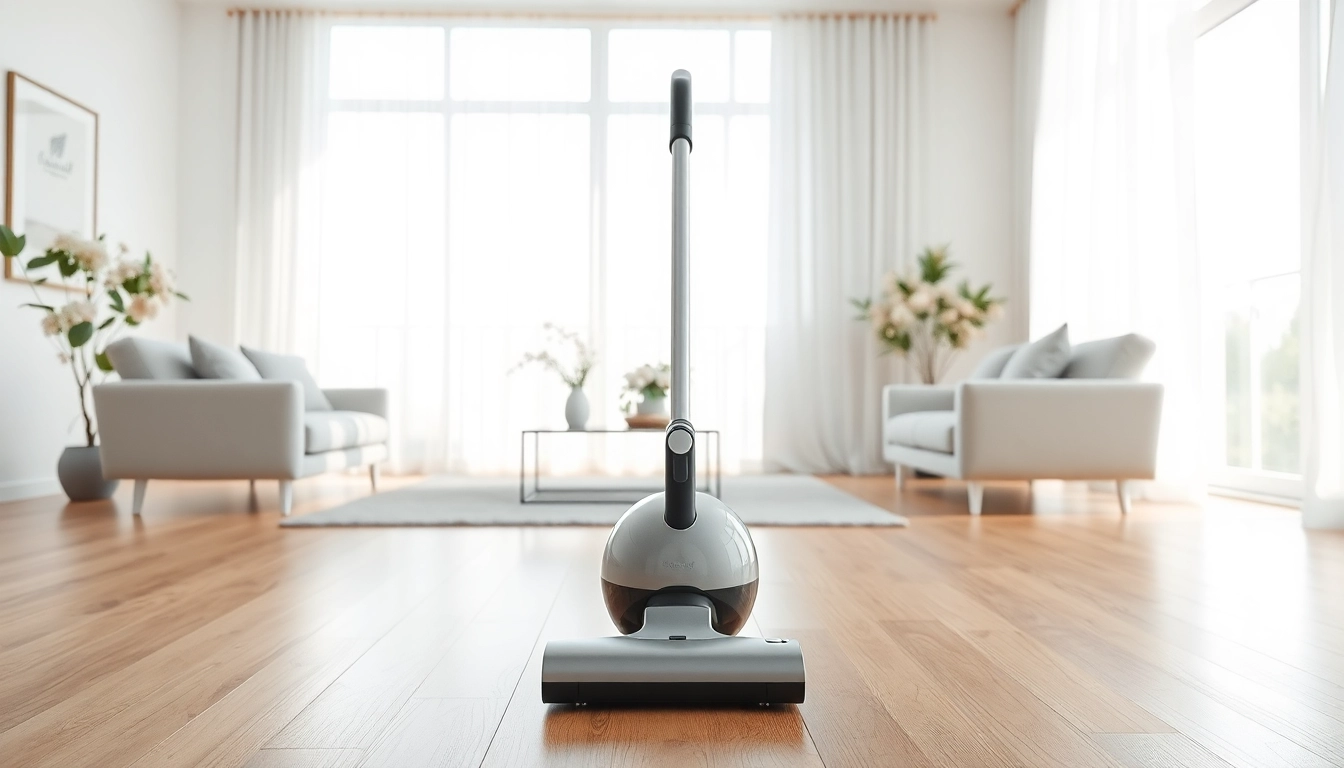
Understanding Your Vacuum Options
When it comes to home cleaning, the type of vacuum you choose can significantly impact your cleaning efficiency and experience. With various models and features available, understanding your options is essential for selecting the best fit for your home. This guide delves into the different types of vacuums available, the vital features to consider, and the advantages of investing in a quality vacuum.
Different Types of Vacuums Available
Vacuums come in various forms, each designed for specific cleaning needs. Here’s a closer look at the common types:
- Upright Vacuums: These are versatile machines suitable for various floor types. Their design typically includes a powerful motor and a larger dirt collection capacity.
- Canister Vacuums: Known for their maneuverability, canister vacuums feature a separate canister that allows for easy handling when navigating through tight spaces.
- Stick Vacuums: Lightweight and easy to store, stick vacuums are ideal for quick clean-ups. They can effectively clean both hard floors and carpets but usually have a smaller dirt capacity.
- Robot Vacuums: These automated units can clean floors without supervision, making them perfect for busy households. They typically come with advanced sensors to navigate around furniture.
- Handheld Vacuums: Small and portable, handheld vacuums work great for quick spot cleaning or reaching areas that larger vacuums can’t.
Key Features to Consider
When selecting a vacuum, reviewing its key features can help you make an informed choice. Here are some essential features to think about:
- Suction Power: Look for a vacuum with strong suction capabilities to ensure effective dirt and debris removal.
- Filter Systems: HEPA filters are crucial for trapping allergens and improving indoor air quality, especially for those with sensitivities.
- Ease of Use: Consider weight, maneuverability, and the design of controls to ensure comfort during use.
- Bag vs. Bagless: Bagged vacuums typically offer better filtration, while bagless models provide convenience by eliminating the need for replacements.
- Noise Level: Vacuums come with varying noise outputs; quieter models are preferable for comfortable use.
Advantages of Using a Quality Vacuum
Investing in a high-quality vacuum offers numerous benefits, including:
- Enhanced Cleaning Efficiency: A powerful vacuum effectively removes dirt, dust, and allergens, promoting a healthier living space.
- Longer Lifespan: Quality vacuums are built to last, meaning you’ll spend less on replacements over time.
- Improved Air Quality: Advanced filtration systems capture microscopic particles, which can alleviate allergy symptoms and improve indoor air quality.
- Time Savings: An efficient vacuum can reduce cleaning time, thereby allowing you to focus on other important tasks.
Assessing Your Cleaning Environments
Your cleaning environment plays a significant role in determining which vacuum is ideal for your needs. Understanding the specifics of your space can help you choose a model that maximizes efficiency.
Impact of Floor Types on Vacuum Choice
Different flooring materials require distinct cleaning approaches. Consider the following:
- Carpet: For plush carpets, a vacuum with strong suction power and a rotating brush is crucial to lift dirt effectively.
- Hardwood Floors: Opt for vacuums with soft bristles or specialized attachments that won’t scratch the surface.
- Tile and Vinyl: A vacuum that combines suction with a good brush roll will tackle both hard and soft dirt efficiently.
- Area Rugs: Ensure the chosen vacuum can handle varying textures, as some models may struggle between high-pile and low-pile rugs.
Effective Vacuuming Techniques for Various Spaces
Utilizing specific techniques based on the space can enhance your vacuuming process:
- Living Rooms: Vacuum high-traffic areas thoroughly and use attachments for furniture to eliminate dust.
- Bedrooms: Regular vacuuming under the bed and behind furniture helps reduce allergens.
- Kitchens: Pay attention to corners and beneath appliances where crumbs often accumulate.
- Bathrooms: Use a handheld vacuum for small clean-ups, especially around sinks and tubs.
How Room Size Influences Vacuum Selection
The size of the room impacts your choice of vacuum too. Larger spaces may benefit from upright or canister models due to their efficiency and larger dirt capacity, while smaller areas might suit lightweight stick or handheld vacuums for quick maintenance and ease of storage.
Vacuum Maintenance Tips for Longevity
Proper maintenance is essential for ensuring your vacuum continues to perform efficiently over time. Here’s how to keep your vacuum in optimal condition:
Cleaning and Replacing Filters
Dirty filters can severely impact suction power. Regularly check and clean or replace filters according to the manufacturer’s recommendations. HEPA filters, in particular, need careful maintenance to ensure maximum allergen removal.
Troubleshooting Common Vacuum Issues
Even quality vacuums can encounter issues. Here are some common problems and their solutions:
- No Suction: Check for blockages in the hose or filters, and ensure the dust container is not full.
- Strange Noises: Noises may signal debris caught in the brush roll or a worn belt; inspect and clean those areas first.
- Loss of Cleaning Power: If suction seems inadequate, inspect filters or consider replacing worn parts.
Seasonal Vacuum Care Checklist
To maintain your vacuum systematically, consider following a seasonal care checklist:
- Monthly: Empty the dust container and clean the filters.
- Quarterly: Inspect for essential parts, such as the brush roll or belt, and replace as needed.
- Annually: Consider a deep clean of the vacuum, ensuring all components are free from buildup.
Eco-Friendly Vacuums and Sustainability
As environmental consciousness grows, so does the demand for eco-friendly cleaning solutions. Choosing an eco-friendly vacuum can significantly impact your home’s carbon footprint.
Benefits of Energy-Efficient Vacuums
Energy-efficient vacuums consume less electricity while maintaining excellent performance, which ultimately leads to reduced energy bills. Here’s why they are a better choice:
- Reduced Energy Consumption: These vacuums use advanced technology to provide powerful suction without draining energy.
- Longer Lifespan: Higher build quality often means a longer-lasting vacuum, which lessens waste over time.
Materials and Design for Eco-Conscious Choices
Look for vacuums made from recyclable materials or with designs that minimize plastic usage. Many brands now offer models crafted from sustainable resources, contributing to overall environmental health.
How to Dispose of Vacuums Responsibly
When it’s time to part ways with your vacuum, consider the following responsible disposal methods:
- Check for local recycling programs that accept small appliances.
- Donate working vacuums to local community services or charities.
- Follow manufacturer guidelines for recycling or disposing of specific parts, especially those containing batteries.
Evaluating Performance Metrics for Vacuums
Understanding performance metrics can also help you make a well-informed decision regarding the best vacuum for your needs.
Suction Power and its Importance
Suction power is a critical factor in determining how well a vacuum can remove dirt and dust from surfaces. Look for models that specify their suction ratings, as this can vary significantly between brands and types.
Noise Levels and User Experience
Noise levels in vacuums can significantly influence user satisfaction. Research models that offer lower decibel ratings, as they provide a more comfortable cleaning experience without being disruptive.
Customer Reviews and Performance Ratings
Similar to any product, reading customer reviews and ratings can provide insight into a vacuum’s real-world performance. Focus on reviews that highlight long-term use and specific experiences related to suction power, cleaning efficiency, and overall satisfaction.