
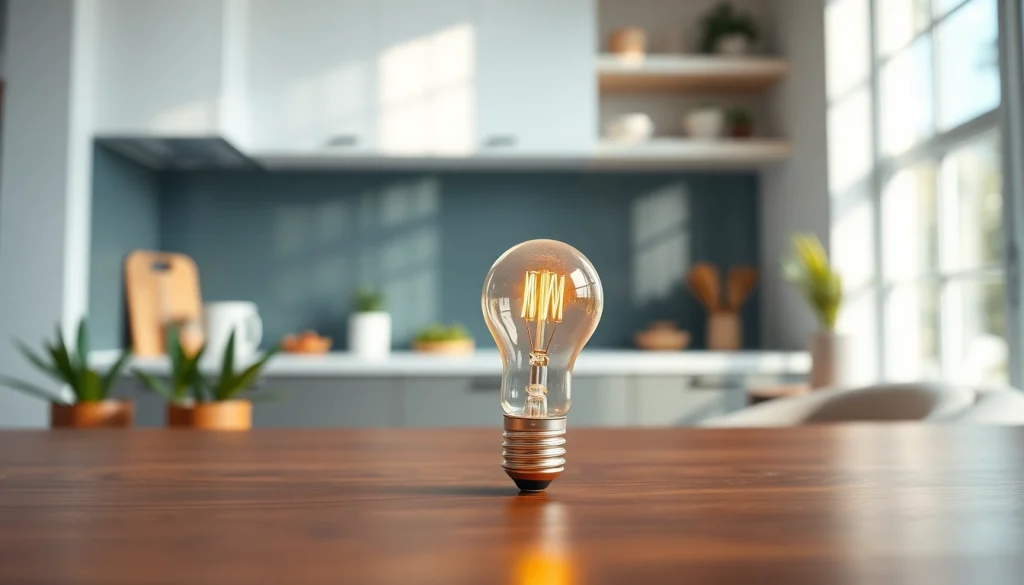
Introduction to A19 Light Bulbs
What is an A19 Light Bulb?
The A19 light bulb is a widely recognized type of incandescent light bulb that features a rounded shape with a standard base. It measures approximately 2.4 inches in diameter (19 mm), hence the ‘A’ designation in its name and ‘19’ indicating the diameter. These bulbs are commonly used in various residential and commercial lighting applications due to their versatility and ease of use.
When it comes to lighting solutions, the A19 light bulb stands out for its ability to seamlessly blend into different environments, providing consistent warmth and brightness. Understanding what is an a19 light bulb can help homeowners and businesses make more informed decisions about their lighting needs.
Common Uses of A19 Light Bulbs
A19 bulbs are commonly employed in a myriad of settings, making them a staple in both homes and commercial spaces. Here are some of the most common uses:
- Residential Lighting: A19 bulbs are ideal for general lighting in living rooms, bedrooms, and kitchens. Their soft light makes them perfect for creating a cozy atmosphere.
- Table and Floor Lamps: These bulbs fit standard lamp sockets, making them the preferred choice for table lamps and floor lamps, where ambiance is a key factor.
- Wall Sconces: A19 bulbs can be found in decorative wall sconces throughout homes and offices, offering both light and aesthetic appeal.
- Recessed Lighting: Many recessed fixtures are designed to accommodate A19 bulbs, making use of their design to provide effective, unobtrusive lighting.
A19 vs Other Bulb Types
When comparing A19 bulbs to other types of light bulbs, several factors come into play, including shape, size, and energy efficiency:
- A19 vs A15: The A15 bulb is slightly smaller, with a diameter of about 1.875 inches. It is often used in applications where space is limited.
- A19 vs A21: A21 bulbs are larger (2.625 inches in diameter) and produce more light output, making them suitable for areas where brighter illumination is required.
- LED vs Incandescent A19: LED A19 bulbs consume significantly less energy and have a longer lifespan compared to traditional incandescent A19 bulbs. Although the initial cost of LED bulbs can be higher, they can lead to considerable savings over time through lower electricity bills.
Design and Technology of A19 Light Bulbs
Structure and Specifications
The A19 light bulb has a simple yet effective design. It typically consists of:
- Glass Envelope: The bulb’s outer shell is made of glass, which enables light to be emitted while protecting the internal components.
- Filament or LED Chips: Incandescent A19 bulbs feature a tungsten filament, while LED versions have multiple diodes that emit light when powered.
- Base: The standard base size for A19 bulbs in the U.S. is the E26 base, which is compatible with most fixtures.
The simple design is both practical and multifunctional, allowing these bulbs to integrate easily into various lighting fixtures.
Energy Efficiency of A19 Light Bulbs
Energy efficiency is a critical consideration when selecting lighting solutions. Traditional incandescent A19 bulbs use a significant amount of energy compared to their LED counterparts. For instance:
- Incandescent A19 bulbs typically consume 60 watts to produce about 800 lumens of light.
- LED A19 bulbs can produce the same lumen output with only 8 to 12 watts, significantly reducing energy consumption.
In addition to reducing energy use, LED A19 bulbs also have a longer lifespan, lasting up to 25,000 hours, compared to the 1,000 hours typical of incandescent bulbs.
Different Types of Filaments
The type of filament used in an A19 bulb can significantly affect its performance and light quality. Common options include:
- Incandescent Filaments: Traditional bulbs utilize a tungsten filament that emits light when heated. They provide warm light but are less energy-efficient.
- CFLs (Compact Fluorescent Lamps): These bulbs contain a gas that emits ultraviolet light, which then excites a fluorescent coating to produce visible light. They are more efficient but have longer warm-up times and less desirable light quality.
- LED Filaments: LED A19 bulbs mimic the look of traditional incandescent bulbs but utilize multiple LED diodes arranged to resemble a filament. They provide the warmth of incandescent light while being highly energy-efficient.
Benefits of Using A19 Light Bulbs
Longevity and Durability
One of the significant advantages of A19 light bulbs, particularly LEDs, is their longevity. While incandescent A19 bulbs last around 1,000 hours, LED versions can last up to 25,000 hours or more. This long lifespan translates to fewer replacements, ultimately saving time and money. Additionally, LED bulbs are more durable as they are not made of fragile materials like glass, making them less susceptible to breakage.
Quality of Light Output
The quality of light provided by A19 bulbs is paramount for creating desired atmospheres. LED A19 bulbs can replicate the warm glow of traditional incandescent bulbs while offering different color temperatures. This adaptability ensures that users can choose the perfect lighting for any space or occasion. The availability of dimmable options further enhances the versatility of A19 bulbs, allowing users to control brightness levels as needed.
Eco-Friendly Options Available
Environmental considerations are increasingly influencing consumer choices. A19 light bulbs, especially LEDs, are eco-friendly options. They consume less energy, which means fewer greenhouse gas emissions from power plants. Moreover, many LED bulbs are free of harmful materials like mercury, making them safer for disposal compared to CFLs. With the growing emphasis on sustainability, choosing A19 LED bulbs is a practical step toward reducing your carbon footprint.
A19 Light Bulb Safety and Regulations
Important Safety Standards
Safety is paramount when selecting and using light bulbs. A19 light bulbs that meet certain safety standards ensure reliability and protection against potential hazards. Look for certification marks from bodies such as the Underwriters Laboratories (UL) or the American National Standards Institute (ANSI), which indicate the bulb has undergone rigorous testing to meet safety guidelines. Additionally, ensuring proper wattage compatibility with fixtures can prevent overheating and potential electrical hazards.
Proper Installation Practices
Correct installation of A19 bulbs is crucial for optimum performance and safety. Here are some best practices:
- Ensure that the power is turned off before installing or replacing the bulb.
- Check that the bulb matches the fixture’s specifications, including wattage and type.
- Handle bulbs carefully to avoid damage; for LED bulbs, ensure the surrounding area is clean and free from obstacles.
By following these practices, users can prolong the life of their bulbs and maintain a safe environment.
Recycling and Disposal Guidelines
Recycling and disposing of A19 bulbs correctly contributes to environmental sustainability. Incandescent bulbs can generally be disposed of in regular household waste, but it’s advisable to check local regulations regarding disposal. In contrast, LED bulbs should be recycled to recover materials and prevent harmful substances from entering landfills. Look for designated recycling programs that accept LED bulbs in your community, promoting responsible disposal practices.
FAQs About A19 Light Bulbs
What wattage options are available for A19 light bulbs?
A19 light bulbs typically come in various wattages, including 40, 60, 75, and 100 watts for incandescent options, while LED versions use much less wattage (typically between 8 to 15 watts) for similar brightness.
Can A19 bulbs be used in outdoor fixtures?
Yes, A19 bulbs can be used in outdoor fixtures, but ensure they are rated for outdoor use to withstand exposure to the elements and prevent failure.
Are LED A19 bulbs more energy efficient?
Absolutely, LED A19 bulbs are significantly more energy efficient than incandescent A19 bulbs, consuming up to 90% less energy while providing the same amount of light output, making them a cost-effective choice.
How do I choose the right A19 bulb for my needs?
To select the right A19 bulb, consider factors like the desired brightness (lumens), color temperature (measured in Kelvin), and whether you want dimmable options, which will determine the best fit for your space.
Do A19 bulbs come in different color temperatures?
Yes, A19 bulbs are available in various color temperatures, typically ranging from warm white (2700K) for a cozy ambiance to daylight (5000K) for bright, clean lighting.