
How P2P Platforms Are Changing the Lending Industry
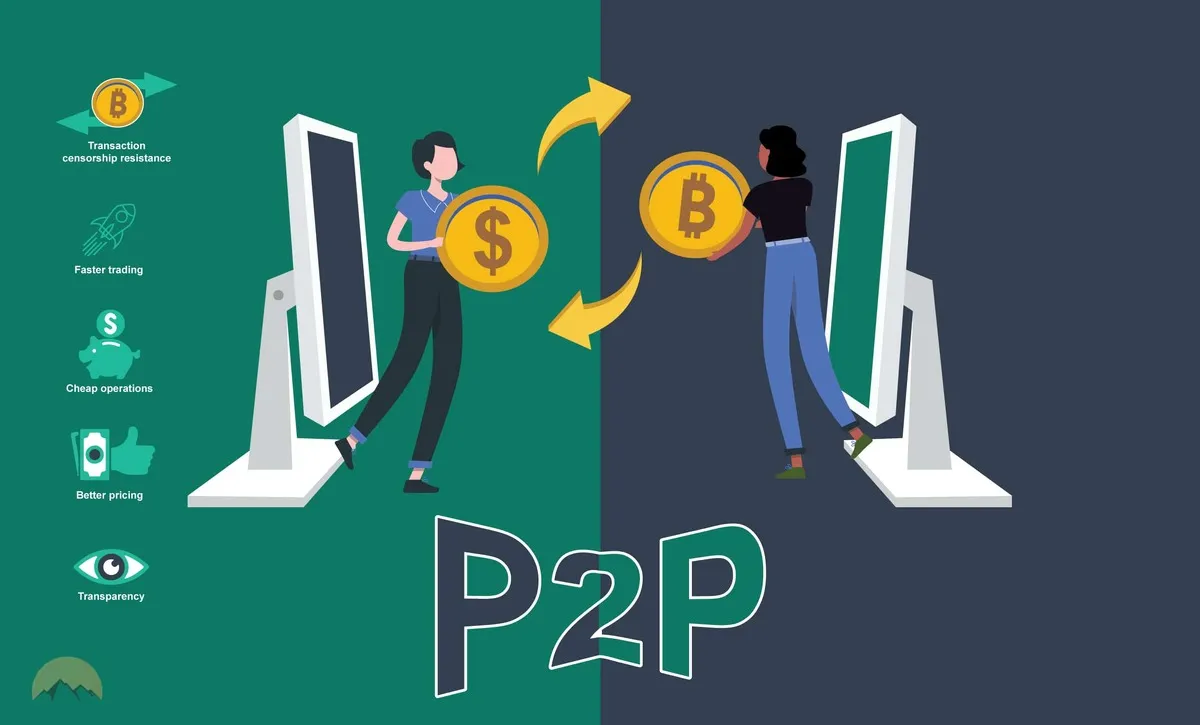
The financial industry is undergoing a profound transformation, driven by technology, innovation, and shifting consumer expectations. Among the most significant developments reshaping lending is the rise of P2P platforms. These digital marketplaces connect borrowers directly with investors, eliminating traditional banking intermediaries and providing a faster, more transparent, and accessible approach to lending.
The emergence of P2P platforms is part of a larger trend toward democratizing finance. Borrowers can access funds with greater ease and flexibility, while investors gain alternative opportunities to earn returns beyond conventional investment options. This model has disrupted traditional lending practices and created a dynamic ecosystem that continues to expand globally.
This article explores how P2P platforms are transforming borrowing, investing, technological adoption, regulation, global finance, and what the future holds for this innovative lending model.
- How P2P Platforms Simplify Borrowing
- Financial Inclusion Through P2P Platforms
- Technological Innovations Powering P2P Platforms
- Advantages for Investors Using P2P Platforms
- Regulation and Oversight of P2P Platforms
- Global Expansion and Adoption of P2P Platforms
- The Future of P2P Platforms in Lending
- Conclusion
- FAQ About P2P Platforms
How P2P Platforms Simplify Borrowing
Traditional lending often involves lengthy approval processes, rigid eligibility requirements, and multiple intermediaries. P2P platforms simplify this system by allowing borrowers to directly request loans from investors online. Borrowers provide essential information, including loan amount, intended use, financial background, and repayment preferences, which investors can review before making funding decisions.
This streamlined process reduces bureaucracy, accelerates approvals, and often allows borrowers who may not qualify for conventional loans to access funds. By incorporating alternative data sources such as payment history, online transactions, and other behavioral metrics, P2P platforms can accurately assess creditworthiness even for those with limited or unconventional credit profiles.
Transparency is a defining feature of these platforms. Borrowers clearly understand their interest rates, repayment schedules, and obligations upfront, while investors receive comprehensive insights into borrower risk profiles, fostering trust on both sides.
Financial Inclusion Through P2P Platforms
Access to financial services remains a challenge for millions worldwide. Individuals and small businesses in remote areas or with limited credit history often struggle to obtain loans from traditional banks. P2P platforms address this gap by offering more inclusive lending options.
Entrepreneurs and startups, in particular, benefit from these platforms. Many small businesses face rejection from banks due to perceived risk, lack of collateral, or limited financial history. P2P platforms allow these borrowers to present their business plans directly to investors, increasing the likelihood of securing funding.
In addition, borrowers from underserved regions can access loans without needing to visit a physical bank, facilitating broader participation in the formal economy. By expanding access to credit, P2P platforms play a vital role in promoting economic development and reducing financial inequality.
Technological Innovations Powering P2P Platforms
Technology is the engine driving the growth of P2P platforms. Artificial intelligence and machine learning analyze vast amounts of borrower data, assess risk, predict repayment behavior, and optimize credit decisions. These tools reduce manual processing, accelerate approvals, and improve overall accuracy.
Blockchain technology is also increasingly integrated into P2P platforms, providing secure, transparent, and immutable records of loan transactions. Smart contracts can automate repayment schedules and interest calculations, reducing administrative errors and ensuring compliance.
Mobile technology enhances user accessibility, enabling borrowers and investors to manage accounts, track payments, and invest in loans anytime, anywhere. Cloud computing supports scalability, allowing platforms to handle growing user bases efficiently without compromising performance.
These technological advancements make P2P platforms highly efficient, secure, and user-friendly, attracting both borrowers and investors to the system.
Advantages for Investors Using P2P Platforms
Investors find P2P platforms appealing because they offer alternative avenues for returns that may surpass traditional investment options. Each loan carries an interest rate based on borrower risk, and investors can diversify their portfolios by funding multiple loans, reducing overall exposure.
Transparency is another advantage. P2P platforms provide detailed borrower information, repayment histories, and risk metrics. Automated investment tools further simplify portfolio management, allocating funds based on the investor’s risk tolerance, investment goals, and loan duration preferences.
Investors also gain the satisfaction of directly supporting real-world borrowers, businesses, or projects. This combination of financial return and social impact strengthens the attractiveness of P2P platforms as an investment avenue.
Regulation and Oversight of P2P Platforms
As P2P platforms expand globally, regulatory frameworks have become essential for maintaining trust, protecting investors, and ensuring system stability. Financial authorities in many regions now require platforms to conduct thorough borrower assessments, implement data protection measures, and clearly disclose investment risks.
These regulations enhance credibility and encourage broader participation. Investors are more willing to engage with platforms knowing they adhere to legal and ethical standards, and borrowers gain assurance that lending practices are transparent and fair.
Striking a balance between regulation and innovation is critical. Excessive restrictions could hinder platform growth, while insufficient oversight may expose participants to fraud or financial loss. Well-designed regulatory frameworks support the long-term sustainability of P2P platforms.
Global Expansion and Adoption of P2P Platforms
P2P platforms are expanding rapidly across both developed and emerging markets. In mature economies, they offer convenient, flexible alternatives to traditional banks, emphasizing speed, user experience, and efficiency. In developing regions, these platforms fill gaps where conventional banking infrastructure is limited.
Cross-border lending is increasingly achievable, thanks to digital payments, verification tools, and international compliance standards. Investors can fund borrowers in other countries safely, diversifying opportunities and spreading risk.
International knowledge-sharing accelerates platform innovation. Best practices in risk management, technology integration, and user engagement are adopted globally, allowing P2P platforms to evolve quickly and remain competitive worldwide.
The Future of P2P Platforms in Lending
The future of P2P platforms is closely linked to broader trends in digital finance. Integration with mobile wallets, financial apps, and blockchain technology will make lending more seamless and efficient. AI-driven insights will continue to refine borrower risk assessment, optimize interest rates, and improve loan allocation.
Institutional investors are entering the market, providing stability and larger capital pools, while individual investors benefit from automated investment tools and diversified lending opportunities.
As regulatory frameworks adapt and technology evolves, P2P platforms are poised to become a central component of global lending ecosystems. Their role in financial inclusion, transparency, and innovation will likely expand in the years ahead.
Conclusion
P2P platforms are revolutionizing the lending industry by connecting borrowers directly with investors, leveraging technology, and promoting financial inclusion. By offering faster approvals, flexible repayment options, and alternative investment opportunities, these platforms are challenging traditional banking models and reshaping how capital flows globally.
The expansion of P2P platforms reflects a broader shift toward digital finance and democratized access to credit. For those interested in modern financial tools, understanding P2P platforms alongside resources like the Best Day Trading Platform provides insight into the evolving landscape of borrowing and investing.
FAQ About P2P Platforms
What are P2P platforms? P2P platforms are online marketplaces that connect borrowers directly with investors, facilitating loans without traditional banks and managing repayments efficiently.
How do borrowers benefit from P2P platforms? Borrowers gain access to faster approvals, flexible loan terms, and funding opportunities that might not be available through conventional banks.
What advantages do investors have using P2P platforms? Investors can earn competitive returns, diversify their portfolios, and support real-world borrowers while monitoring loans through transparent tools.
Are P2P platforms regulated? Yes, most operate under legal frameworks that require risk disclosure, secure data practices, and proper borrower assessment.
Who can participate in P2P platforms? Both individual and institutional investors can participate, while borrowers must meet platform-defined eligibility criteria.
Is investing in P2P platforms risky? There is risk, including borrower defaults, but diversification and selecting reputable platforms can help mitigate potential losses.
How are P2P platforms different from banks? Unlike banks, P2P platforms remove intermediaries, provide faster approvals, flexible terms, and often use advanced data analytics to evaluate borrowers.