Getting Started with Gardening
Gardening is a fulfilling pursuit that allows individuals and families to connect with nature, grow their own food, and beautify their surroundings. Whether you're a seasoned horticulturist or a complete beginner, understanding the fundamentals will set you on the path to success. This comprehensive guide will not only help you grasp the core concepts of Gardening but also inspire you to create a vibrant garden that reflects your personal tastes.
Understanding Gardening Basics
At its core, gardening is the practice of cultivating plants in a designated area for food, beauty, or aesthetic purposes. It involves several essential components: soil, sunlight, water, and plants. Each aspect must harmonize for your garden to thrive:
- Soil: The foundation of any garden is quality soil. Healthy soil is rich in nutrients, maintains moisture, and supports plant life.
- Sunlight: Different plants have varying light requirements. Understanding how much sunlight your garden receives will guide you in choosing suitable plants.
- Water: Plants require different amounts of water. The balance between too much and too little is crucial for preventing root rot or dehydration.
- Plants: Selecting the right plants according to your local climate and soil type is essential for a flourishing garden.
Essential Tools Every Gardener Needs
Having the right tools can make the gardening process much more manageable. Here is a list of essential tools every gardener should consider:
- Shovel: Ideal for digging and preparing planting sites.
- Hand Trowel: Perfect for transplanting small plants and digging small holes.
- Pruning Shears: Necessary for trimming plants and maintaining their health.
- Watering Can or Hose: Ensures that your plants receive the right amount of moisture.
- Gardening Gloves: Protect your hands from blisters and soil.
- Rake and Hoe: Essential for soil preparation and weed removal.
Choosing the Right Location for Your Garden
The location of your garden can significantly impact its success. Here are key factors to consider when selecting a spot:
- Sunlight Exposure: Most vegetables and flowers thrive in full sun (at least 6 hours a day). Observe how sunlight moves across your yard throughout the day.
- Access to Water: Ensure your chosen location is easily accessible to a water source for efficient irrigation.
- Soil Drainage: Well-draining soil prevents water accumulation, which can lead to root rot.
- Protection from Wind: Windbreaks can safeguard plants from harsh weather conditions and help new transplants settle in.
Gardening Techniques for Success
Once you have established your garden basics, the next step is to learn effective gardening techniques. This section will cover the preparation and care practices that promote healthy plant growth.
Soil Preparation and Enrichment
Proper soil preparation sets the foundation for your plants. Here’s how to prepare the soil:
- Testing Soil pH: Conduct a soil test to determine the pH level and nutrient content. Many plants prefer a pH between 6.0 and 7.0.
- Amending Soil: Integrate organic materials like compost, aged manure, or peat moss to improve soil structure and nutrient content.
- Tilling: Loosen the soil to aerate it, making it easier for roots to expand and water to penetrate.
Watering Strategies for Optimal Growth
Watering is vital for plant health, but different plants have different requirements. Here are some strategies:
- Deep Watering: Water deeply but less frequently to encourage deep root growth.
- Mulching: Apply mulch to retain moisture, suppress weeds, and regulate soil temperature.
- Using Soaker Hoses: Consider using soaker hoses for efficient and consistent watering across your garden.
Effective Planting Methods and Layouts
Understanding how to plant and layout your garden can enhance yields. Here are popular planting methods:
- Row Planting: Traditional method where plants are sown in long rows, allowing for easy access and care.
- Square Foot Gardening: This method uses a grid layout for maximizing space, making it efficient for small areas.
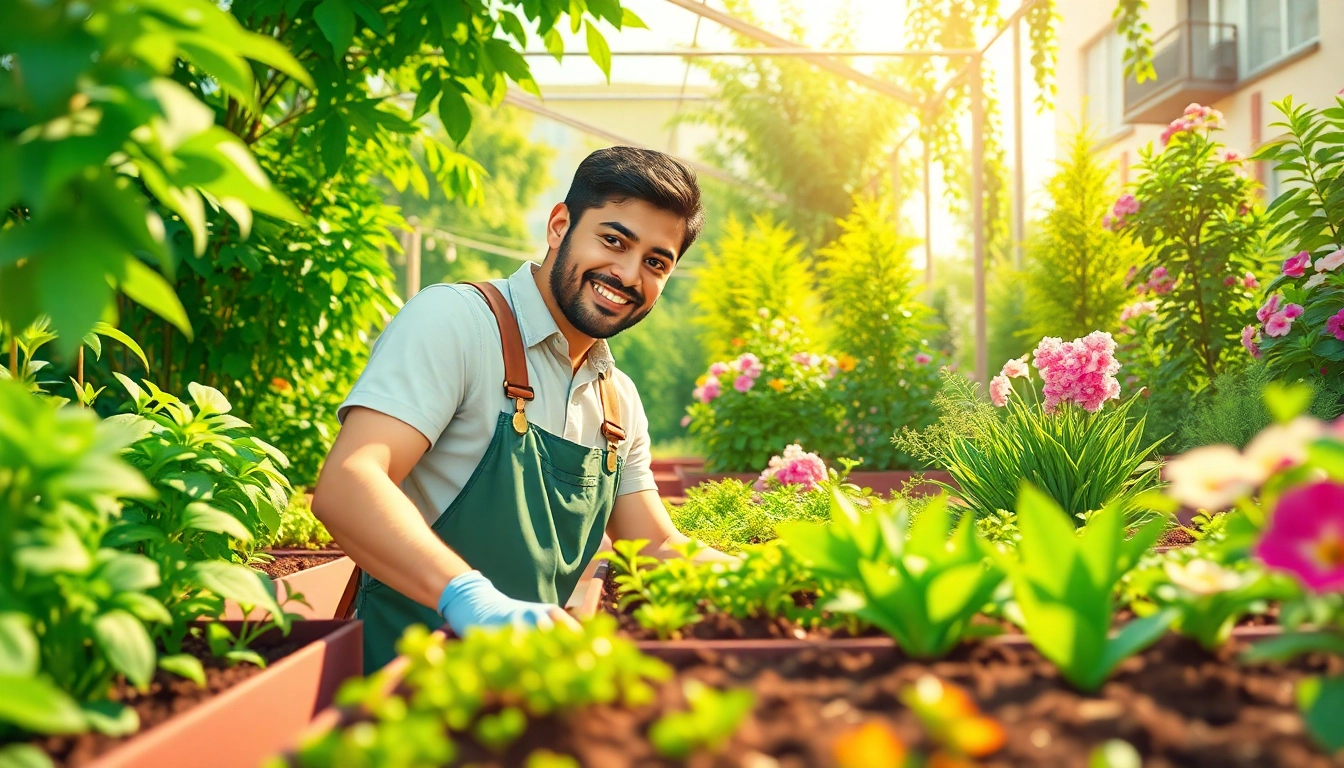
- Raised Beds: Building raised beds helps improve drainage and warms the soil earlier in the season.
- Companion Planting: Strategically planting compatible plants together can deter pests and boost growth.
Plant Selection: Choosing What to Grow
The plants you choose to cultivate will depend on your climate, space, and gardening goals. In this section, we will explore various plant types and considerations.
Indoor vs. Outdoor Gardening Plants
Choosing between indoor and outdoor plants dictates how you plan your gardening efforts:
- Indoor Plants: Typically thrive in lower light and require different care. Popular options include succulents, snake plants, and pothos.
- Outdoor Plants: Include vegetables, herbs, and flowers that require full sun and outdoor conditions. Examples include tomatoes, cucumbers, and sunflowers.
Seasonal Planting Guide
Proper timing is essential for planting. Here’s a guideline based on typical seasons:
- Spring: Ideal for planting annual flowers and early vegetables like peas and lettuce.
- Summer: Time for heat-tolerant plants like zinnias and heat-loving vegetables like peppers and squash.
- Autumn: Great for sowing winter vegetables such as kale and garlic, along with planting hardy perennials.
- Winter: Focus on indoor gardening and planning for the coming year. Seed starting can also begin indoors during this time.
Herbs and Vegetables: Thriving in Your Garden
Growing herbs and vegetables is rewarding, providing fresh ingredients for your kitchen. Here’s a look at some popular choices:
- Herbs: Easy to grow and often require minimal care. Good options include basil, rosemary, and cilantro.
- Vegetables: Diverse options such as carrots, zucchini, and bell peppers can be cultivated in home gardens, catering to various tastes.
Maintaining Your Garden
Once your garden is in full swing, consistent maintenance ensures its longevity. This section provides insight into ongoing care practices.
Common Pests and Disease Management
Gardening challenges often arise from pests and diseases. Here are strategies to manage them effectively:
- Integrated Pest Management (IPM): Focus on prevention through good practices, including plant diversity and companion planting.
- Natural Remedies: Use homemade sprays with garlic, neem oil, or diatomaceous earth to combat pests.
- Regular Monitoring: Routinely check plants for signs of distress, such as wilting or discoloration, which can be early signs of trouble.
Fertilization: When and How to Do It
Fertilization is key to maintaining healthy plants. Here are some tips on how to fertilize effectively:
- Soil Testing: Regularly test soil to determine nutrient needs, adjusting your fertilization routine accordingly.
- Organic Options: Use compost, worm castings, or organic fertilizers to provide a gradual nutrient release.
- Timing: Fertilize during the growing season before flowering for optimal absorption by plants.
Pruning Techniques for Healthy Plants
Pruning encourages healthy growth and improves plant structure. Here are techniques to consider:
- Timing: Prune most plants in late winter or early spring before new growth begins.
- Tools: Always use sharp, clean tools to make precise cuts that reduce the risk of disease.
- Technique: Remove dead or diseased branches as well as any overly crowded growth to improve air circulation.
Advanced Gardening Strategies
Once you've mastered the basics and maintained a thriving garden, consider these advanced gardening strategies to elevate your skills.
Eco-Friendly Gardening Practices
Today’s gardeners are increasingly focused on sustainability and eco-friendliness. Here are practices to consider:
- Organic Gardening: Emphasizes natural methods, avoiding synthetic pesticides and fertilizers.
- Water Conservation: Implement techniques such as drip irrigation or rainwater harvesting to minimize water waste.
- Biodiversity: Cultivating a variety of plants enhances ecosystem resilience.
Using Technology to Enhance Gardening
Embracing technology can significantly improve your gardening practices. Here are some tools and applications to consider:
- Smart Irrigation Systems: Schedule watering to optimize water use based on plant needs and weather conditions.
- Mobile Apps: Track planting schedules and plant health using gardening apps that provide reminders and tips.
- Garden Design Software: Plan your garden layout virtually, experimenting with different designs and plant combinations.
Joining Gardening Communities for Support and Ideas
Engaging with fellow gardeners can provide inspiration, support, and valuable knowledge. Here’s how to get involved:
- Online Forums: Join online gardening communities where you can ask questions and share experiences.
- Local Gardening Clubs: Participate in local gardening groups that may offer workshops and resources tailored to your region.
- Social Media Groups: Use platforms like Facebook to connect with other gardeners and explore gardening content.
In conclusion, gardening is a delightful and gratifying endeavor that enriches your life and environment. By understanding the basics, employing effective practices, and continuously seeking knowledge, you can cultivate a thriving and beautiful garden. Remember, the journey in Gardening is as rewarding as the end result, offering opportunities for learning, growth, and connection with nature.