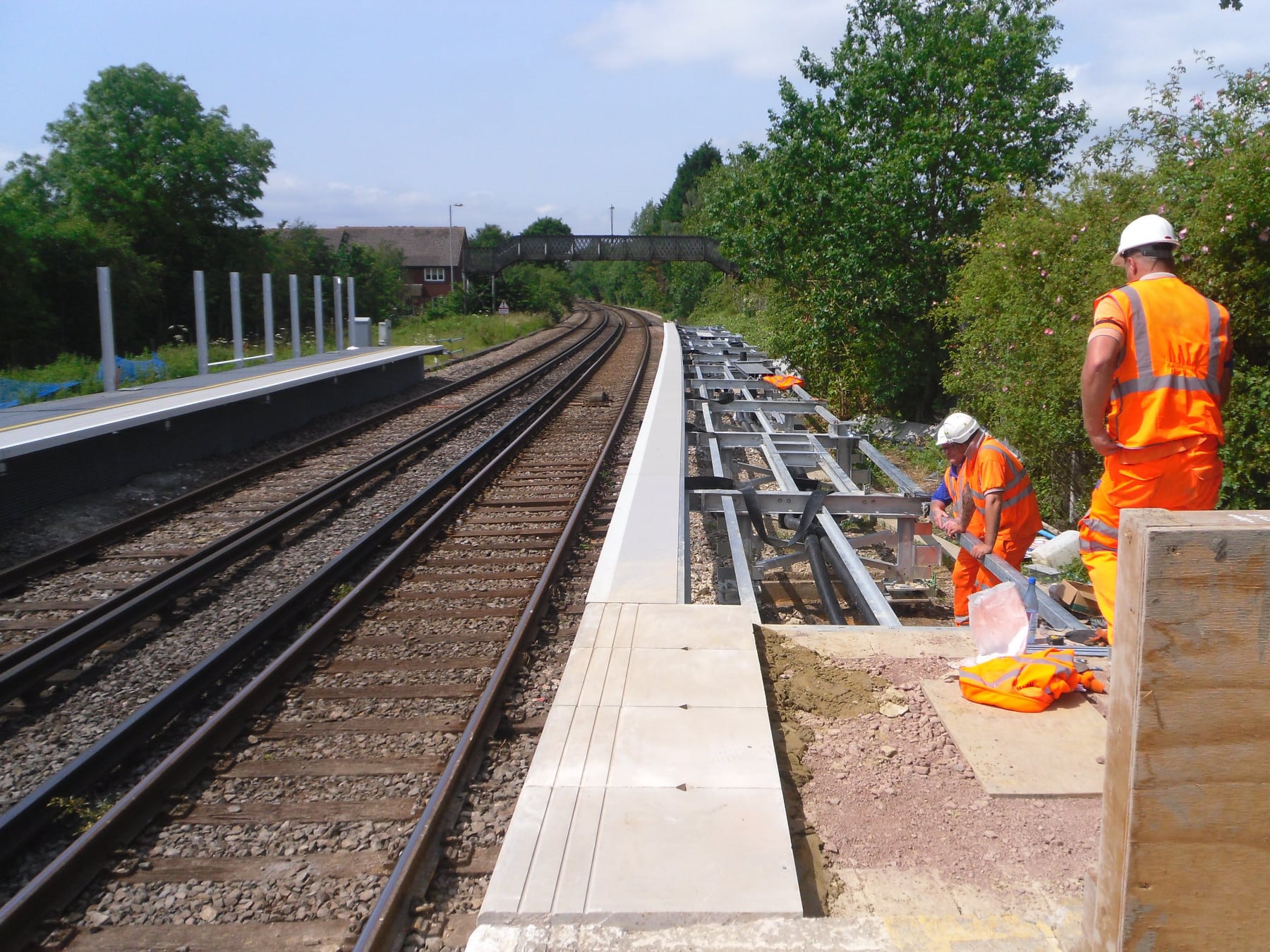
The Importance of Railroad Engineering
Railroad engineering is a vital discipline that intertwines various engineering aspects to facilitate the safe, efficient, and reliable movement of freight and passengers across vast distances. Its importance goes beyond mere transportation; it impacts economic development, regional connectivity, and environmental sustainability. Effective Railroad Engineering ensures that infrastructure can accommodate increasing demands while adhering to safety regulations and environmental standards.
Understanding Railroad Engineering
At its core, railroad engineering encompasses the design, construction, operation, and maintenance of rail systems. It includes various sub-disciplines such as civil, mechanical, and electrical engineering. Railroad engineers work to innovate and improve systems for freight transport, commuter trains, and high-speed railways. The critical objectives are to enhance safety, improve efficiency, and ensure the longevity of infrastructure.
The Role of Railroad Engineers
Railroad engineers are responsible for a multitude of tasks ranging from project design to compliance checks. They analyze data to optimize routes, ensure tracks are properly maintained, and implement new technologies. Engineers also play a key role in collaborating with contractors, compliance with safety regulations, and maintaining budgets. They are the backbone of any successful rail system and are crucial for keeping operations smooth and secure.
Impact on Transportation Systems
Railroads serve as an essential mode of transportation, significantly impacting other transport systems, economies, and communities. By optimizing track layouts and schedules, railroad engineers contribute to reducing congestion on highways and mitigating environmental impacts. Effective rail transport can lead to lower emissions and reduced fuel consumption, which is increasingly essential in addressing climate change concerns. Additionally, rail systems can stimulate local economies by providing efficient transport for goods and easing urban congestion.
Fundamentals of Railroad Engineering
Key Components of Railroad Infrastructure
Understanding railroad engineering is predicated on a comprehensive grasp of its infrastructural components, which include:
- Track Structure: The bedrock of railroad engineering, tracks consist of rails, ties, and ballast; each plays a crucial role in supporting the weight of trains and maintaining alignment.
- Bridges and Tunnels: Essential for overcoming geographical obstacles, these structures require stringent engineering practices to ensure safety and durability.
- Stations and Terminals: Serve as critical points for passenger and freight transfer; their design must prioritize efficiency, accessibility, and safety.
- Signal Systems: Crucial for ensuring safe operations, modern railways employ sophisticated signaling to manage train movements and prevent collisions.
Essential Skills for Railroad Engineers
To excel in the field, railroad engineers require a blend of technical and soft skills, including:
- Technical Proficiency: Strong knowledge of engineering principles, materials science, and local regulations.
- Problem-Solving Abilities: The capacity to troubleshoot and devise innovative solutions when faced with complex engineering challenges.
- Project Management: Skills in managing timelines, resources, and clear communication are paramount for on-time project delivery.
- Collaboration: Working with diverse teams—contractors, government agencies, and fellow engineers—is necessary for large-scale projects.
Safety Standards and Regulations
Due to the potential hazards associated with rail operations, strict adherence to safety standards and regulations is crucial. The Federal Railroad Administration (FRA) and other governing bodies establish guidelines to ensure worker safety and passenger security. Engineers must be well-versed in these regulations, which impact design protocols, maintenance practices, and operational controls, ensuring the railroads' safe usage regardless of external conditions.
Modern Techniques in Railroad Engineering
Innovative Materials and Technology
Innovation drives the future of railroad engineering, characterized by the integration of advanced materials and technology:
- Smart Materials: Materials that can respond to environmental changes or stress are becoming important for tracks and rail infrastructures, enhancing longevity and safety.
- Automation and AI: Implementing systems based on artificial intelligence can optimize train schedules and significantly improve operational efficiency and safety.
- 3D Printing: This technology is increasingly used for producing train components, reducing costs, and lead times in manufacturing processes.
Environmental Considerations
As sustainability becomes a priority, railroad engineers must incorporate eco-friendly practices into their designs. Strategies include:
- Energy-Efficient Systems: Developing trains that use less fuel or alternative energy sources reduces the carbon footprint of rail transport.
- Land Management: Careful planning around rail infrastructure helps preserve natural habitats, which is critical for ecological balance.
- Noise Mitigation: Engineers are embracing sound-dampening technologies and practices to minimize the noise pollution associated with rail transport.
Case Studies in Recent Projects
Investigating recent projects provides valuable insights into the application of modern techniques and practices. For instance, the X high-speed rail project demonstrated significant advances in track technology, reducing travel time between major urban centers. Additionally, the renovation of Y regional train lines highlighted the importance of integrating eco-friendly practices while upgrading infrastructure to meet modern demands.
Challenges in Railroad Engineering
Common Issues in Design and Maintenance
Railroad engineering faces challenges that impact design, maintenance, and operations:
- Routing Complexities: Urban areas pose unique challenges for routing due to land availability and existing structures.
- Maintenance Backlogs: Aging infrastructure is a growing concern as it may lead to accidents or service disruptions if not adequately addressed.
- Weather Impacts: Extreme weather can cause significant disruptions, requiring robust engineering solutions to minimize operational downtime.
Budget Constraints and Funding Opportunities
Budget constraints often impede development and maintenance. Engineers must prioritize spending and seek grants, partnerships, and innovative financing methods to fund projects while ensuring minimal impact on safety and quality. Public-private partnerships (PPPs) are becoming a popular solution to alleviate the financial burden on public agencies while investing in high-quality rail systems.
Future Risks and Mitigation Strategies
The future of railroad engineering faces risks such as cyber threats, climate change impacts, and evolving technologies. Risk mitigation strategies include:
- Investing in Cybersecurity: Protecting rail networks from cyber threats is critical; enhanced security measures must become integral to system designs.
- Adaptability to Climate Change: Engineering designs need to incorporate resilience to severe weather events, including flooding and high winds.
- Continuous Training: Keeping engineers and operators updated on emerging technologies and standards is crucial for maintaining safe operations.
Career Pathways in Railroad Engineering
Educational Requirements
To embark on a career in railroad engineering, aspiring professionals typically need a bachelor's degree in civil, mechanical, or electrical engineering. Specialized training and certifications in railroad-specific technologies can further enhance job prospects. Advanced degrees can also open doors for senior positions and specialized roles in research or policy-making.
Job Prospects and Salary Expectations
Job opportunities in railroad engineering are on the rise, driven by increasing infrastructure investments. Salaries vary widely based on location, experience, and specialization. Entry-level engineers can expect to earn around $60,000 annually, while experienced professionals may earn upwards of $100,000 or more. Specialized roles and leadership positions often command even higher salaries.
Advancement and Specialization Opportunities
Railroad engineering offers numerous paths for advancement. Professionals may specialize in areas such as track design, signaling technology, or project management. With experience, many engineers move into senior technical roles, project leads, or management positions, where they can influence strategic decisions and shape the future of railroads.
Frequently Asked Questions
What does a railroad engineer do?
A railroad engineer operates trains and oversees their maintenance, ensuring safe transportation. They coordinate with other staff, monitor train functionalities, and uphold safety protocols.
How much do railroad engineers make in the US?
Railroad engineer salaries vary by experience and location. On average, they earn around $100,000 per year, with top earners making over $135,000 annually.
How hard is it to become a railroad engineer?
Becoming a railroad engineer involves rigorous training and experience. Candidates must complete extensive education, including both classroom learning and hands-on training, to succeed.
What qualifications do you need to be a railway engineer?
A bachelor's degree in engineering is typically required, with additional certifications in railroad-specific practices enhancing job prospects and opportunities for advancement.
What are the biggest challenges railroad engineers face?
Challenges include aging infrastructure, funding constraints, adapting to climate change, and implementing new technologies while ensuring safety and efficiency are maintained.