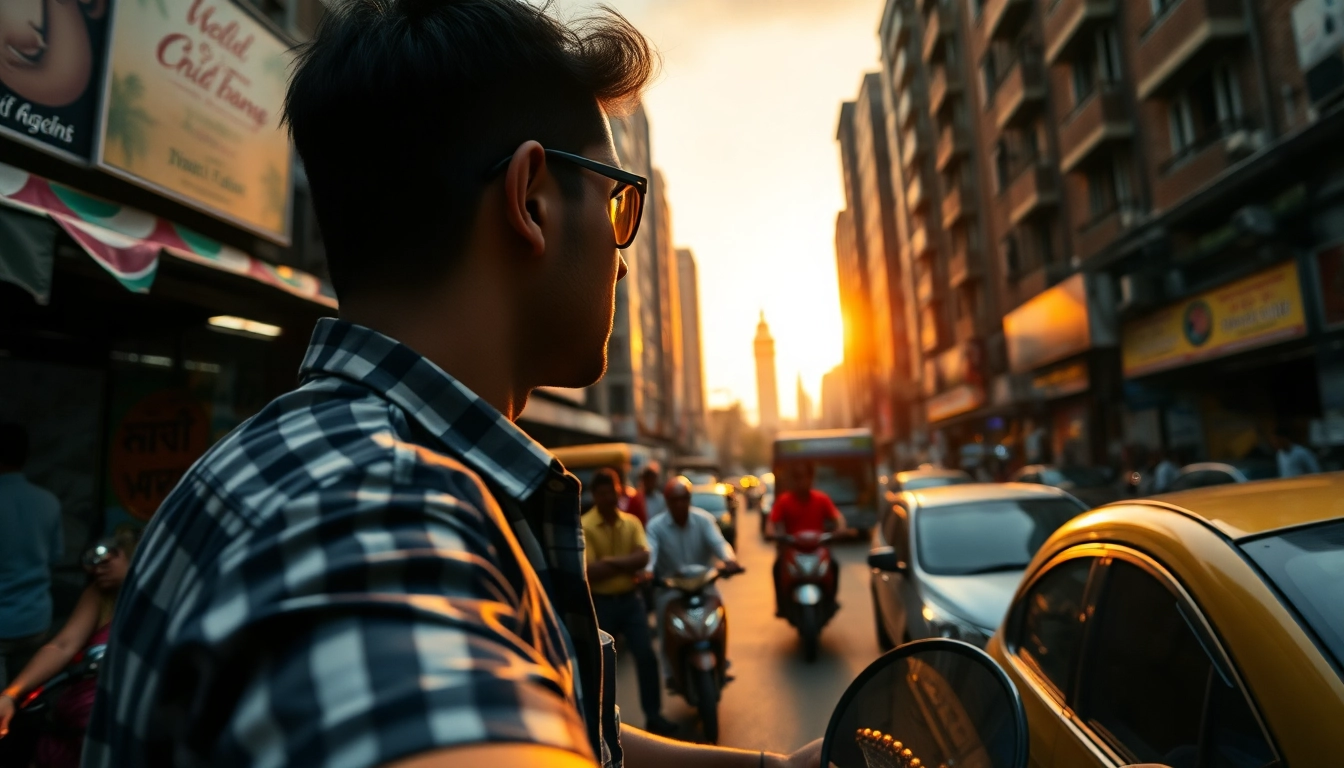
Understanding the Unique Mumbaikar Identity
Mumbai, often referred to as the "City of Dreams," is a melting pot of cultures, languages, and traditions, shaped by its rich history and diverse populace. The essence of being a Mumbaikar transcends mere geographical boundaries. It is a unique identity forged by experiences, resilience, and the vibrant tapestry of life that the city offers. This article explores various aspects of Mumbaikar identity, embracing their historical influences, core characteristics, and the stereotypes that often surround them. For anyone looking to gain insights into Mumbai from the perspective of its inhabitants, the blog https://www.mumbaikarsperspective.com provides a deep dive into this dynamic culture.
Historical Influences on Mumbaikar Culture
The history of Mumbai is as diverse as its current population. Originally a conglomeration of seven islands inhabited by various communities, the city has evolved through the ages—shaped by trade, colonial rule, and migration. The Portuguese and later the British established significant influence, contributing to the city’s architecture, language, and societal norms.
Throughout the late 19th and early 20th centuries, Mumbai became a hub for immigrants seeking employment and better living conditions. This influx led to the blending of different cultures, religions, and traditions, forming the unique Mumbaikar identity we see today. Key historical events, such as the textile strikes and post-independence migration, have also contributed to shaping the community’s resilience and work ethic.
Key Characteristics that Define Mumbaikars
Mumbaikars are characterized by their indomitable spirit and adaptability. The fast-paced lifestyle of the city fosters a sense of urgency and efficiency that’s often envied by outsiders. They are known for their unparalleled hospitality and a strong sense of community, often coming together in times of crisis, as seen during natural disasters.
Moreover, Mumbaikars have an intrinsic ability to juggle multiple responsibilities, whether it's managing work-life balance, pursuing higher education, or indulging in leisure activities. This adaptability is often accompanied by an inherent optimism and a can-do attitude that epitomizes the city’s essence.
Common Mumbaikar Stereotypes: Truth or Myth?
Stereotypes surrounding Mumbaikars often highlight their supposed ruthlessness, obsession with wealth, or relentless ambition. However, these portrayals often miss the depth of character that defines a true Mumbaikar. While the city indeed breeds a competitive spirit, many Mumbaikars are also deeply empathetic and rooted in their cultural values.
Another common stereotype is that Mumbaikars are overly accustomed to chaos and noise. While it’s true that the city is often bustling with activity, Mumbaikars also appreciate tranquility, often seeking solace in parks, beaches, and quiet cafes. As the city continues to grow and evolve, so too does the identity of its residents, challenging and reshaping these stereotypes.
Mumbai's Architecture and Its Impact on Mumbaikars
Architectural Highlights Shaping Mumbai's Identity
Mumbai's architectural landscape is a testament to its rich history and multicultural influences. From the Gothic Revival of Chhatrapati Shivaji Terminus to the minimalist design of contemporary skyscrapers, architecture tells the story of the city. Iconic structures such as the Gateway of India showcase Mumbai's colonial past, while innovative buildings like the Bandra-Worli Sea Link embody modern India's aspirations.
The contrast of colonial-era buildings alongside modern infrastructure illustrates the city's uniqueness and complexity—qualities that resonate deeply with Mumbaikars. The vibrant architecture translates into an emotional connection for residents, reflecting their identity and lifestyle.
How Architecture Reflects Mumbaikar Culture
Beyond aesthetics, the architecture of Mumbai serves practical purposes that align with the lifestyles of its people. High-density living in bustling neighborhoods such as Dharavi highlights adaptive reuse of space, where small homes coexist with thriving businesses. This conjures a sense of community, vital for Mumbaikars who rely on each other for daily support.
Moreover, public spaces like Marine Drive and CST are not only landmarks but are integral parts of daily life and socializing in the city, echoing a Mumbaikar's love for life amidst the urban chaos. These spaces foster camaraderie and serve as gathering spots for discussions, celebrations, and relaxation.
Interviews with Local Architects on Mumbaikar Perspectives
To understanding the emotional and historical significance of architecture in shaping Mumbaikar identity, interviews with local architects provide invaluable insights. Many architects express their desire to design spaces that resonate with local culture and enhance community living.
For instance, a renowned architect emphasizes how cultural sensitivity in design can create more inclusive neighborhoods, where social equity and accessibility remain paramount. This vision reflects the underlying values of Mumbaikars who continuously strive to create a better environment for all. The collaborative efforts of architects and residents play a crucial role in ensuring that Mumbai remains a city of dreams for everyone.
The Food Culture of Mumbai: A Mumbaikar's Delight
Traditional Dishes Every Mumbaikar Loves
The culinary landscape of Mumbai is as diverse as its culture. Signature dishes like Vada Pav, Pav Bhaji, and Biryani are more than just food; they are part of the city's heritage. Each dish represents a unique blend of flavors, much like the mosaic of communities living in Mumbai.
Home-cooked meals often hold sentimental value, as recipes are passed down through generations. Mumbaikars pride themselves on their love for food, whether indulging in a hearty breakfast of Misal Pav or enjoying evening snacks at local street carts. These traditional dishes not only satiate hunger but also create a sense of nostalgia and belonging.
The Street Food Scene: A Mumbaikar's Favorite
The vibrancy of Mumbai’s street food scene is world-renowned. From the bustling lanes of Juhu Beach to the crowded bazaars of Colaba, street food vendors offer mouth-watering delights at every corner. The amalgamation of spices and local ingredients creates appetizing dishes, often tailored to fit Mumbaikar preferences.
Street food is synonymous with Mumbai culture. Sharing a plate of Pani Puri with friends or grabbing a quick Sev Puri on the move is a quintessential Mumbaikar experience. The affordability and accessibility of these delicacies add to their appeal, making them an integral part of daily life.
Restaurants that Capture Mumbaikar Flavor
As Mumbai evolves, so does its food scene. High-end restaurants and casual dining spots alike embrace Mumbaikar flavors, offering innovative twists on traditional dishes. These establishments often celebrate local ingredients and sustainable practices, resonating with the growing consciousness of Mumbaikars.
Restaurant owners often tout their commitment to authenticity while embracing modern culinary techniques. This fusion creates a sense of excitement and curiosity, encouraging food enthusiasts to explore beyond their gastronomic comfort zones. Popular food festivals and markets offer Mumbaikars opportunities to celebrate their culinary diversity and experiment with new flavors together.
Mumbaikar Perspective on Lifestyle Trends
Fitness and Health: What Mumbaikars Prefer
In a city where life moves at a frenetic pace, Mumbaikars are increasingly prioritizing health and fitness. The rise of yoga studios, fitness centers, and outdoor exercise groups reflects a societal shift towards wellness. Many Mumbaikars choose cycling, jogging, and group workouts at parks, fostering community engagement while focusing on their health.
Furthermore, the trend toward holistic wellbeing encompasses mental health awareness and balanced diets. Local venues promote healthy eating, offering organic meals and nutrition workshops, illustrating the Mumbaikar commitment to maintain overall wellness amidst urban chaos.
Fashion Trends among Mumbaikars
Mumbai is known as a fashion capital, where trends effortlessly blend traditional and contemporary styles. Mumbaikars exhibit a unique fashion sense that is both expressive and practical, reflecting their dynamic lifestyles. From ethnic attire during festivities to chic casual wear, fashion becomes a mode of self-expression.
Seasonal fashion shows and local designers showcase Mumbai's rich heritage, seamlessly integrating it into modern street style. This evolving fashion industry also fosters a sense of community, where Mumbaikars support local artisans and celebrating culture through textile and design.
Travel Insights from a Mumbaikar's Viewpoint
Travel for Mumbaikars represents not only leisure but also an escape from the urban hustle. With an eye for exploration, Mumbaikars cherish weekend getaways and excursions to nearby landscapes, including hill stations, beaches, and heritage sites. These excursions help recharge their spirits and reconnect with nature.
Additionally, many Mumbaikars embrace travel as an opportunity for experiential learning, often opting for cultural immersion over conventional tourism. This reflects their consciousness about diverse perspectives and appreciation for varied lifestyles, ultimately enriching their Mumbaikar identity.
Engaging with Mumbaikar Communities
Social Issues Affecting Mumbaikars Today
Mumbai faces a myriad of social issues affecting its residents, ranging from housing shortages to pollution and economic inequality. Mumbaikars often come together to address these challenges through community initiatives, movements, and collaborations with local authorities.
There is growing awareness of sustainability and environmental preservation as Mumbaikars advocate for greener practices. Beach clean-ups, tree-planting drives, and awareness campaigns showcase their commitment to addressing these pressing social issues. Together, they work towards not only a better quality of life but also a thriving city for future generations.
Community Initiatives Led by Mumbaikars
The spirit of giving back is deeply ingrained in Mumbaikar culture. Numerous local initiatives focus on education, healthcare, and skill development for marginalized communities. These programs often thrive on volunteer efforts, showcasing the altruistic nature of Mumbaikar residents.
For instance, community kitchens feeding the underprivileged have become a symbol of solidarity among Mumbaikars. Local NGOs focus on empowering women through education and entrepreneurship, reinforcing the belief that collective action can facilitate meaningful change.
Future of Community Engagement in Mumbai
As Mumbai continues to grow, the future of community engagement looks promising. Increased connectivity through technology allows Mumbaikars to collaborate, organize, and mobilize more efficiently. Online platforms now serve as hubs for community discussions, bringing awareness to pressing social issues while uniting diverse voices.
The collaborative spirit exemplified by Mumbaikars ensures that they remain active participants in shaping the city’s future. This engagement not only enriches their identity but also enhances the quality of life in Mumbai, making it an ever-evolving landscape where dreams can thrive.