1. Understanding EV Charger Installation Costs
The popularity of electric vehicles (EVs) has surged recently, prompting homeowners to consider installing EV chargers at home. Understanding the costs associated with EV charger installation is crucial for making informed decisions. Variations in pricing often stem from multiple factors, including the type of installation required, the specific charger brand, and local building regulations. For a thorough breakdown of what contributes to these costs, you can refer to our EV charger cost guide.
1.1 What Affects the EV Charger Cost?
The cost of installing an EV charger can vary significantly based on several factors. First and foremost is the type of charger you choose. Level 2 chargers, which are commonly installed in residential settings, typically range from $400 to $1,500, while fast chargers can go much higher. Other crucial elements include:
- Electrical Upgrades: Older homes may require electrical panel upgrades to handle the new load, which can add to the installation costs.
- Site Location: The distance from the electrical panel to the installation site can affect labor costs as it may require additional wiring and conduits.
- Permit Fees: Depending on your municipality's regulations, you may need to obtain permits, which can incur additional fees.
1.2 Comparing Single-Phase vs. Three-Phase Installations
One of the significant choices homeowners face is whether to opt for a single-phase or three-phase installation. Single-phase systems are typically sufficient for most households and offer a balance between cost and charging speed. They can charge most EVs adequately for daily driving. Three-phase systems, while more expensive, allow for faster charging rates, making them ideal for households with multiple EVs or high usage needs. When deciding, consider your daily driving habits and your home's electrical capacity.
1.3 Additional Costs You Might Encounter
Beyond the initial installation costs, there are other factors that can influence the overall expense:
- Groundwork and Trenching: If your charger location requires trenching for underground cable installation, this can significantly add to the cost.
- Charger Features: Smart chargers with advanced features, such as app connectivity or scheduling, can come at a premium.
- Maintenance and Upgrades: Consider future-proofing your installation with provisions for additional charging points or upgrades as technology evolves.
2. The 5 Steps to Your Home EV Charger Installation
2.1 Step 1: Get Started and Assess Your Needs
The first step towards a successful EV charger installation is understanding your specific charging requirements. Take time to evaluate your daily driving habits, the make and model of your EV, and your home’s electrical capabilities. This assessment will guide your choice of charger and installation type.
2.2 Step 2: Receiving Your Tailored Quote
After assessing your needs, you can request a personalized quote. Many providers, like us, offer free online estimates, where you can upload photos of your switchboard and proposed installation site. This helps in providing a more accurate quote based on your specific circumstances.
2.3 Step 3: Scheduling Your Installation
Once you approve the quote, the next step is to schedule your installation. Most standard installations can be completed within a few hours, but it's essential to confirm the timeline with your installer. They will ensure that the installation aligns with your schedule, leading to a seamless installation experience.
3. What is Included in Your EV Charger Installation Package?
Your installation package should cover essential components and services to ensure safe and compliant operation of your EV charger.
3.1 Breakdown of Standard Installation Components
- Charger Supply: The cost may include the charger itself or installation of a unit you have purchased separately, as long as it meets safety standards.
- Electrical Components: All necessary wiring, switches, and connectors are typically included in the installation fee.
- Mounting and Testing: Secure mounting of the charger and thorough testing before handover to ensure functionality.
3.2 Safety Measures and Compliance Standards
Compliance with local electrical codes is paramount. Certified electricians ensure that all installations adhere to safety standards, which includes fitting an isolation switch and issuing a Certificate of Electrical Safety for your records.
3.3 Warranty and Quality Assurance
Reputable installation companies offer robust warranties on both parts and labor. This not only includes a lifetime labor warranty but also manufacturer warranties on the chargers used, giving you peace of mind regarding your investment.
4. Common FAQs About EV Charger Costs
4.1 How Long Does Installation Typically Take?
Most home EV charger installations can be completed in 2 to 4 hours. However, this can vary based on the complexity of the installation and the condition of your home’s electrical infrastructure.
4.2 Can I Install My Own EV Charger?
While some homeowners may consider DIY installation, it is recommended to hire a licensed electrician to ensure safety and compliance with local regulations. This is especially crucial for high-voltage systems.
4.3 Understanding the Free Estimate Process
Many electric vehicle service providers offer a no-obligation quote based on initial assessments. Providing detailed information about your home setup will lead to a more accurate estimate, ensuring clarity on expected costs before installation begins.
5. Future Trends in EV Charging Technology
5.1 Innovations Driving Down Installation Costs
The EV charging industry is evolving rapidly, with innovations that promise to reduce installation costs. Advances in modular designs and wireless charging technology are expected to simplify installations. Furthermore, as competition grows, prices for components are likely to decrease, benefiting consumers.
5.2 The Role of Solar Power in EV Charging
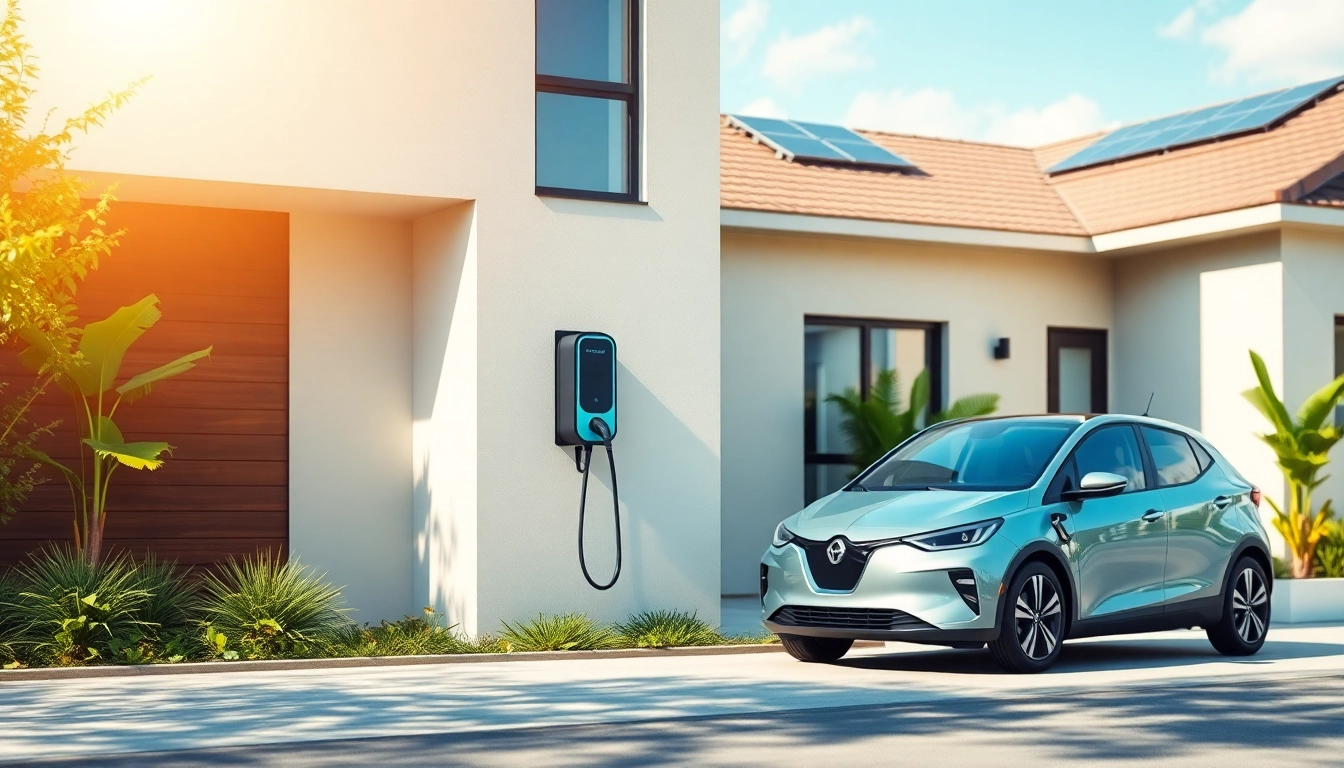
Integrating solar energy into your charging setup can significantly reduce costs. By installing solar panels, homeowners can harness renewable energy for both their home and EV charging needs, decreasing reliance on the grid and adding more value to their property.
5.3 Predictions for the EV Market and Charging Infrastructure in 2025
As EV adoption continues to rise, we can expect to see a more extensive charging infrastructure, with increased availability of fast charging stations in urban areas. Additionally, advancements in battery technology will fuel the development of faster and more efficient home charging solutions, enabling homeowners to charge their vehicles in less time than ever before.