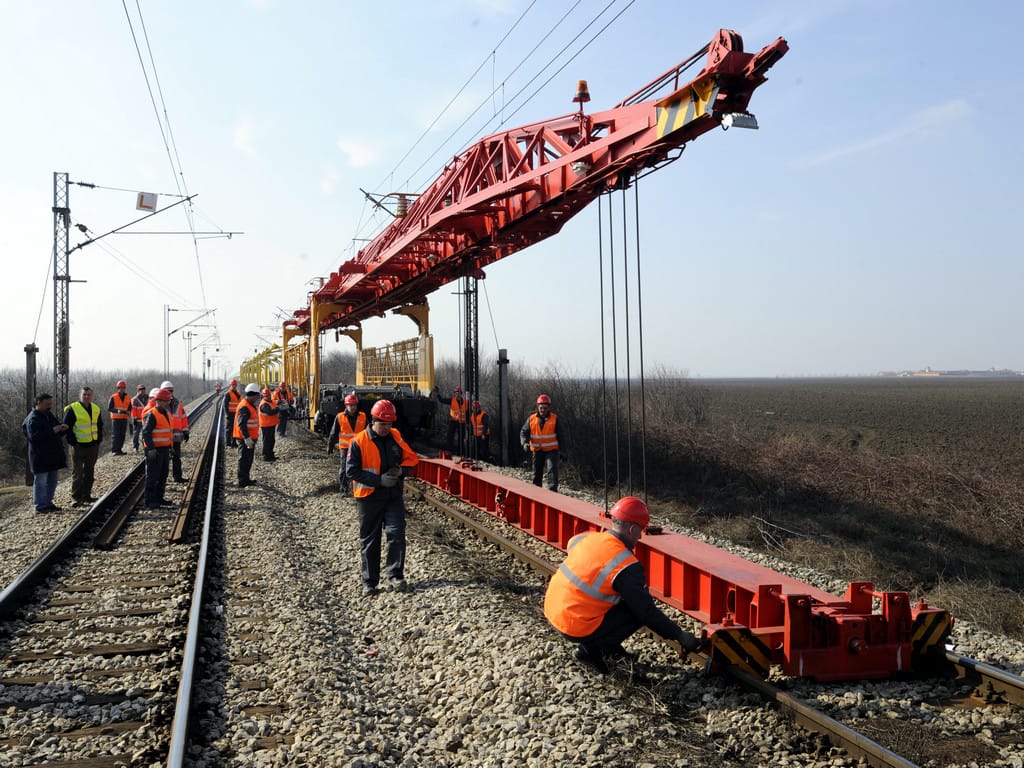
Understanding Railroad Engineering
Railroad Engineering is a specialized field that deals with the design, construction, operation, and maintenance of railway systems. Professionals in this discipline play a crucial role in ensuring the safety, efficiency, and sustainability of rail transport systems. As the transportation sector evolves, the need for expertise in Railroad Engineering becomes increasingly essential for addressing contemporary challenges.
The Role of a Railroad Engineer
Railroad engineers are responsible for the technical aspects of rail systems. Their primary duties include planning and overseeing construction projects, ensuring compliance with safety regulations, and optimizing rail operations. They work closely with various teams, including construction crews, safety inspectors, and transportation planners, to achieve efficient train service.
In addition to design and construction responsibilities, railroad engineers also conduct maintenance checks on tracks, signals, and other critical infrastructure components. Their work is vital in preventing accidents and ensuring smooth operations across rail networks.
Key Principles of Railroad Engineering
Understanding the key principles of railroad engineering is crucial for success in this field. These principles include:
- Engineering Design: Involves creating detailed plans and layouts for tracks, bridges, and stations that accommodate the specific demands of rail traffic.
- Geotechnical Considerations: Engineers must be aware of soil and environmental conditions affecting railbed stability and durability.
- Material Selection: Choosing appropriate materials for construction ensures longevity and resilience of the railway infrastructure.
Importance of Safety in Railroad Engineering
Safety is paramount in railroad engineering. Engineers must adhere to strict design and operational standards set by regulatory bodies. Techniques such as signalization, grade crossings, and track monitoring systems are essential to enhance safety. Moreover, regular safety audits and system assessments help mitigate risks, ensuring that both passengers and freight are transported securely.
Core Disciplines within Railroad Engineering
Track Design and Maintenance
Track design involves various engineering assessments to determine the most efficient and safe configurations for rail installations. This includes considerations for curvature, gradient, and track alignment. Regular maintenance is equally vital in preserving operational efficiency and safety. Engineers implement best practices like scheduled inspections and routine repairs to address wear and tear, ultimately prolonging the lifespan of rail systems.
Bridge Engineering in Railroad Systems
Bridges are critical components of railroads, necessitating specific engineering practices. Designing bridges involves understanding load distribution, material strength, and environmental impacts. Structural integrity must be thoroughly evaluated, and loading tests are often conducted to affirm performance under various conditions. Continuous monitoring and maintenance of existing bridges ensure they remain safe for transit.
Railway Operations and Logistics
Effective railway operations require careful planning and coordination. This includes scheduling train services, managing freight logistics, and communicating with various stakeholders to optimize transit times. Engineers work alongside logistic operators to analyze performance metrics, identify bottlenecks, and enhance the system's efficiency. The integration of technology plays a crucial role in streamlining operations and improving service reliability.
Technological Innovations in Railroad Engineering
Automation and Smart Technologies
Automation has revolutionized the railroad industry. Smart technologies like automated train control systems enhance operational precision, enabling trains to communicate their positions and speeds in real time. This innovation maximizes efficiency and safety, significantly reducing the likelihood of collisions or human error. Investments in automation continue to drive transformation across the sector.
Impact of Sustainability on Railroad Engineering
The shift towards sustainable practices is becoming a focal point within the industry. Railroad engineering is embracing eco-friendly technologies and practices, such as electrified railways and hybrid locomotives. These advancements contribute to reducing greenhouse gas emissions and promoting environmentally responsible transportation solutions. Engineers play a pivotal role in designing systems that are not only efficient but also sustainable.
Software Tools for Railroad Engineering Analysis
The advent of advanced software tools has fundamentally transformed railroad engineering practices. Applications for modeling and simulation provide engineers with critical insights into design integrity, performance testing, and safety assessments. Tools like Geographic Information Systems (GIS) facilitate efficient planning by allowing visualization of terrain and existing infrastructure. This leads to informed decision-making and enhanced project outcomes.
Educational Pathways for Aspiring Railroad Engineers
Degrees and Certifications in Railroad Engineering
A foundational education in railroad engineering typically involves earning a bachelor’s degree in civil or transportation engineering. Specialized programs focusing on railroad systems provide students with tailored knowledge and skills. Certifications in relevant areas can further enhance employability and demonstrate proficiency in specific aspects of railroad engineering.
Continuing Education and Professional Development
Given the rapid advancement in technology and practices, ongoing education is essential for professionals in this field. Workshops, seminars, and industry conferences provide opportunities to stay current on best practices and innovations. Engaging in continuous learning also enables engineers to upgrade their skills and adapt to changing industry demands.
Internships and Real-World Experience
Hands-on experience is invaluable in engineering. Internships with railroad companies or engineering firms allow students and recent graduates to apply theoretical knowledge in practical settings. This experience not only enriches learning but also aids in building industry connections and enhancing job prospects.
Future Trends and Challenges in Railroad Engineering
Adapting to Climate Change in Railroad Engineering
Climate change presents significant challenges for railroad engineering, from extreme weather events to rising sea levels impacting infrastructure. Engineers must devise resilient designs that withstand varying weather conditions and integrate climate adaptation strategies into planning efforts. This adaptability is crucial for ensuring the reliability and safety of rail systems in the long run.
Integrating New Technologies in Existing Systems
As technological advancements accelerate, integrating new systems with legacy rail networks poses a challenge. Engineers must find ways to modernize infrastructure without disrupting operations. This may involve phased rollouts of new technologies combined with extensive testing and assessment to mitigate risks during the transition.
Addressing Infrastructure Needs and Funding
Many rail systems face aging infrastructure that requires substantial upgrades. Engineers are tasked with not only identifying necessary improvements but also advocating for funding and resources to facilitate these projects. Effective communication with stakeholders and strategic planning are vital for addressing these infrastructure needs in a sustainable manner.
FAQs
1. What does a railroad engineer do?
Railroad engineers design, construct, and maintain rail systems, ensuring safety and efficiency in operations while coordinating with various teams.
2. How much do railroad engineers earn?
In the U.S., railroad engineers’ salaries average around $101,752 annually, with top earners making upwards of $135,000 based on experience and location.
3. What education is needed for a career in railroad engineering?
A bachelor's degree in civil or transportation engineering is typically required, along with specialized training in railroad systems and safety protocols.
4. What are the advancements in railroad technology?
Recent innovations include automated systems, predictive maintenance technologies, and green energy initiatives aimed at reducing the ecological impact of rail transport.
5. What challenges does the railroad industry face?
Challenges include aging infrastructure, climate change adaptation, and the need for modernization through technological investments and increased funding.