Understanding Bathroom and Kitchen Remodeling Basics
Introduction to Key Concepts of Bathroom and Kitchen Remodeling
Bathroom and kitchen remodeling is more than just updating fixtures and finishes; it is an intricate process that involves a deep understanding of design principles, functional requirements, and the latest trends in home improvement. This transformation can significantly enhance not only the aesthetic appeal of your home but also its overall efficiency and functionality. With a well-structured approach, homeowners can create spaces that serve their needs and reflect their personal style.
When embarking on a remodeling project, it is important to grasp the essential components of bathroom and kitchen design. This understanding lays the groundwork for informed decision-making. Whether you are looking to create a serene spa-like retreat in your bathroom or a stylish, functional kitchen for culinary adventures, the journey begins with a solid foundation of knowledge.
Common Remodeling Goals and Priorities
Identifying your remodeling goals is a crucial step to ensure a successful project. Common objectives typically include:
- Improving Functionality: A key goal is to enhance the usability of the space. This may involve changing the layout or adding features that make daily tasks easier.
- Increasing Home Value: Well-executed remodeling projects can significantly boost the resale value of your home, making it an appealing option for prospective buyers.
- Enhancing Aesthetics: Many homeowners wish to update the look and feel of their spaces, selecting designs that resonate with their personal tastes and lifestyles.
- Energy Efficiency: Incorporating energy-efficient appliances and fixtures can lower utility bills and reduce environmental impact.
- Improving Safety and Accessibility: These modifications are particularly important for aging in place or accommodating family members with disabilities.
DIY vs. Professional Bathroom and Kitchen Remodeling Services
One of the first decisions homeowners face is whether to tackle remodeling as a DIY project or hiring professional services. Each option comes with its unique set of advantages and challenges.
DIY projects can provide significant cost savings and a sense of personal achievement. They allow homeowners to have greater control over the design and execution of their visions. However, it is essential to assess one’s skill level and available time, as some tasks may require specialized knowledge. Mistakes can lead to costly repairs or compromised quality.
On the other hand, hiring professionals for bathroom and kitchen remodeling ensures that the work is done to a high standard. Experienced remodelers bring a wealth of knowledge in design, project management, and building codes. They also have access to trade-specific tools and resources that may not be available to the average homeowner. While this option may involve higher upfront costs, the investment often results in better outcomes, with less stress and hassle for the homeowner.
Design Trends in Bathroom and Kitchen Remodeling
Contemporary Styles and Features to Consider
Current trends in bathroom and kitchen remodeling reflect a shift toward minimalism, bold statements, and nature-inspired designs. Incorporating contemporary styles means embracing simplicity in lines, greater functionality with innovative layouts, and an emphasis on high-quality materials.
Key trends include:
- Open Concept Layouts: Removing barriers between kitchen and living spaces creates a seamless flow, fostering interaction and a sense of community.
- Green and Sustainable Materials: Eco-conscious design has gained prominence, with materials such as recycled glass, bamboo, and reclaimed wood being favored for their sustainability.
- Smart Technology: The integration of smart appliances and systems is reshaping how kitchens and bathrooms function, enhancing convenience.
- Statement Fixtures: Bold colors or unique lighting fixtures serve as focal points, transforming ordinary spaces into extraordinary environments.
Color Palettes That Transform Spaces
The color palette chosen for bathroom and kitchen remodeling plays a vital role in creating an inviting atmosphere. Neutral tones remain popular due to their versatility and ability to create a calming ambiance. However, color psychology suggests that bolder hues can evoke emotions and influence mood.
In kitchens, shades like deep navy or emerald green can bring a sense of sophistication, especially when paired with brass or gold accents. In bathrooms, light pastel tones can amplify natural light, providing a tranquil retreat. It’s essential to consider how colors interact with natural light and the overall design to achieve a harmonious look.
Innovative Materials and Finishes in Bathroom and Kitchen Remodeling
As technology advances, new materials and finishes are continuously being developed to improve both aesthetics and functionality. Homeowners can choose from a variety of innovative options that enhance durability, ease of maintenance, and visual appeal.
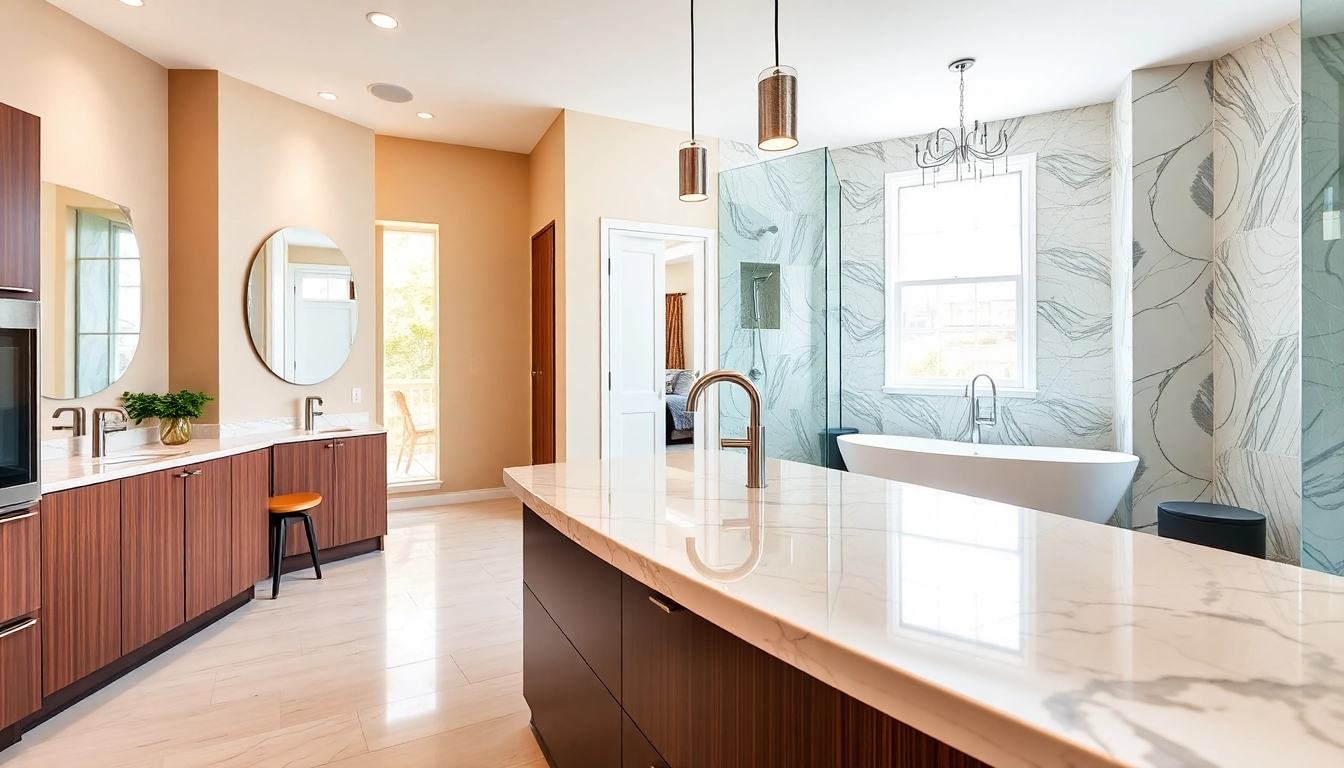
For example, quartz countertops are becoming a preferred choice over granite due to their high durability, variety of colors, and non-porous nature, which resists stains. In bathrooms, incorporating large-format tiles can reduce grout lines, making cleaning easier while creating a modern aesthetic. Furthermore, matte finishes are increasingly appealing for their sophisticated look and ability to hide fingerprints and water spots.
Planning Your Bathroom and Kitchen Remodeling Project
Setting a Realistic Budget for Your Remodeling
Budgeting accurately is essential for any remodeling project. A well-defined budget allows homeowners to make informed decisions about processes, materials, and professional services. When creating your budget for Bathroom and kitchen remodeling, consider the following:
- Calculate the total space you intend to remodel and the estimated cost per square foot.
- Include costs for materials, labor, permits, and unexpected expenses that might arise.
- Prioritize essential features versus luxury additions; sometimes, choosing less expensive OEM materials for parts can enable investment in more significant pieces like appliances.
- Always plan for a contingency fund of approximately 10-15% of your total budget to cover unforeseen issues.
Creating a Timeline for Your Remodeling Process
A realistic timeline is fundamental for managing a successful remodeling project. While each project is unique, setting a structured timeline helps align goals and ensures that every step proceeds efficiently.
Consider these steps when developing your timeline:
- Define project phases, such as planning, design, demolition, construction, and finishing.
- Allocate specific time frames for each phase. Be mindful of possible delays, especially during sourcing materials or waiting for inspections.
- Plan strategically around holidays or personal schedules, as major modifications can disrupt daily routines.
Choosing the Right Professionals for Your Remodeling
Finding qualified professionals is a vital step in ensuring the success of your remodeling project. Start by conducting thorough research and gathering recommendations to identify reputable contractors. Look for professionals who have experience specifically in bathroom and kitchen remodeling.
Consider interviewing at least three contractors to compare services, pricing, timelines, and customer feedback. Verify their licenses, warranties, and insurance, ensuring you are working with trustworthy professionals who can handle your project requirements. Transparent communication and a clear contract will protect your investment.
Implementing Functional Layouts in Bathroom and Kitchen Remodeling
Maximizing Space Efficiency in Designs
Space efficiency is crucial in remodeling bathrooms and kitchens, particularly in smaller areas. Creating functional layouts can significantly enhance workflow, making daily tasks more manageable and enjoyable.
Considerations for optimizing space include:
- Design Flow: The kitchen work triangle concept suggests placing the stove, sink, and refrigerator in a triangular layout to streamline cooking activities.
- Utilization of Vertical Space: Employing vertical storage options such as shelves and cabinets can help maximize space without feeling cluttered.
- Multi-Functional Furniture: In areas prone to space limitations, choose items that serve more than one purpose, such as carts that can be used for storage or an extra countertop when needed.
Incorporating Storage Solutions for Organization
Keeping both bathrooms and kitchens organized requires thoughtful storage solutions. Clutter can quickly detract from the functionality and aesthetic appeal of these spaces.
In the kitchen, consider installing deep drawers for pots and pans, pull-out shelves for easy access, and cabinet dividers for utensils. In bathrooms, built-in shelving can be effective for toiletries, while medicine cabinets can cleverly hide items without sacrificing style.
Ensuring Accessibility and Comfort in Your Designs
The importance of accessibility and comfort in bathroom and kitchen remodeling cannot be overstated. As lifestyles evolve, designs must adapt to meet the needs of all family members, including children and the elderly.
Ensure your designs include:
- Non-Slip Flooring: Opt for materials that provide traction, minimizing the risk of slips, particularly in wet areas.
- Adjustable Features: Features like a pull-down faucet in kitchens and height-adjustable bathroom vanities can enhance accessibility for everyone.
- Ample Space: Maintain pathways that are wide enough for wheelchair access, promoting comfort and ease of movement.
Measuring Success in Bathroom and Kitchen Remodeling
Evaluating Projects Based on Aesthetics and Functionality
Evaluating the success of your remodeling project requires assessing both the aesthetics and functionality of the new design. A successful remodel should not only look visually appealing but also meet the practical needs of your household.
To gauge success:
- Conduct walkthroughs with family members to gauge their satisfaction with the remodeled space.
- Review how well the design supports daily activities and if it has improved overall efficiency.
- Seek feedback from professionals involved in the project for additional insights.
Gathering Feedback Post-Remodeling
Post-remodeling feedback is crucial for understanding the results of your project. Engage with family members and use surveys or discussions to determine what aspects of the remodel were successful and what could have been improved.
With insights gathered, you can also share your experience with potential future remodeling projects or simply for your reference as an evolving homeowner.
Long-Term Maintenance Tips for Remodeled Spaces
To ensure that newly remodeled bathrooms and kitchens remain in excellent condition, regular maintenance is essential. Consider implementing these strategies:
- Schedule routine cleaning tasks specific to the materials used, as different surfaces require various cleaning methods.
- Inspect fixtures and appliances regularly for signs of wear or malfunction, addressing issues promptly to prevent larger repairs.
- Stay informed about best care practices for the materials chosen, including any specific warranties that may dictate maintenance.