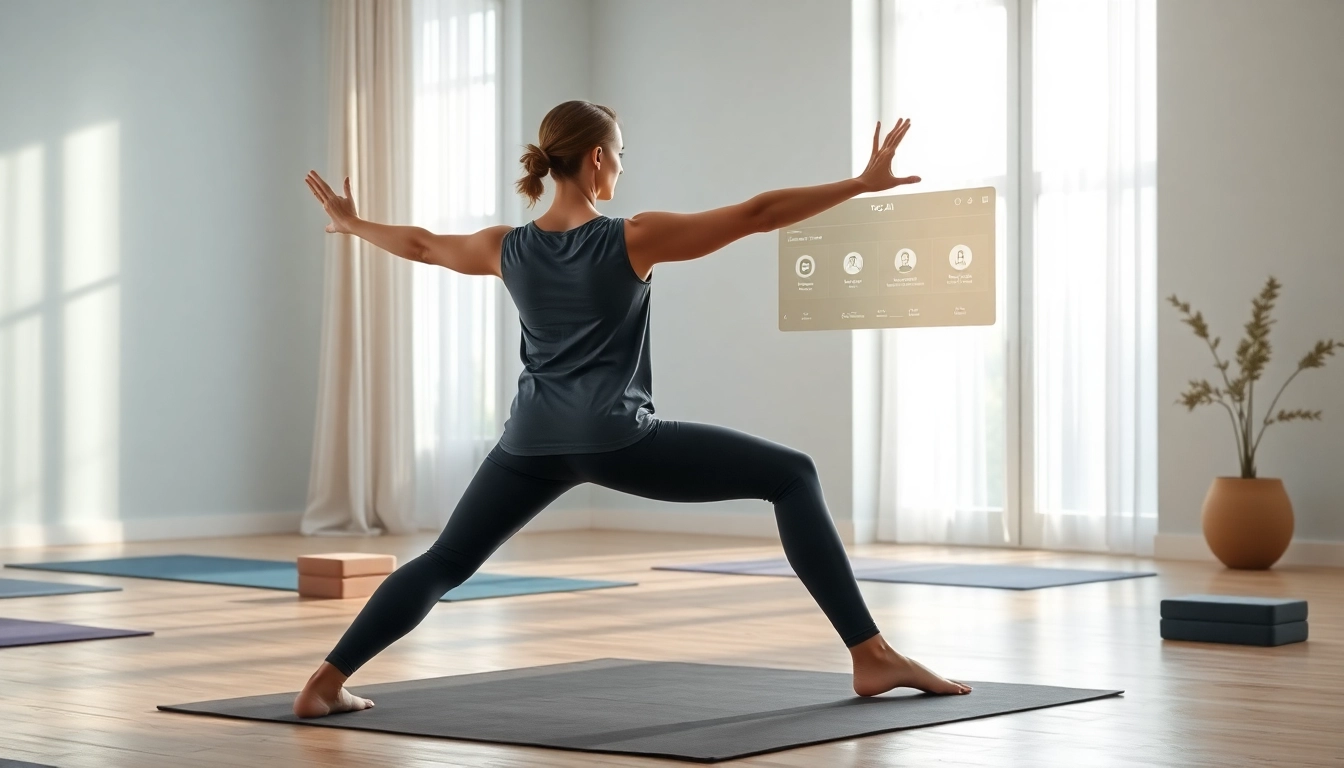
The Intersection of Yoga and Technology: An Overview
In today's fast-paced world, technology continues to bridge gaps across various domains, including wellness and fitness. One of the most significant advancements has been the integration of artificial intelligence (AI) into personal development practices, particularly yoga. This integration is not merely a trend but a transformative step towards enhancing our yoga journey. By utilizing cutting-edge tools, practitioners can experience tailored guidance, personalized routines, and more accessible learning opportunities. Discover the impact of Yoga AI in shaping modern yoga practices.
Understanding Yoga AI and Its Capabilities
Yoga AI refers to a range of applications and systems powered by artificial intelligence to assist in yoga practice. These can include mobile applications, online platforms, and AI-driven wearable devices. The core capabilities of Yoga AI centers around several key functionalities:
- Personalized Routines: Yoga AI applications can analyze user's physical characteristics, experience levels, and goals to curate custom routines that best fit their needs.
- Real-Time Feedback: Through the use of camera technology and motion sensors, Yoga AI can provide immediate corrections on posture and movements, ensuring practitioners maintain correct form.
- Progress Tracking: These platforms often come equipped with progress tracking features that offer insights into improvements over time, helping users stay motivated.
- Instructional Guidance: Many AI tools prepare users with detailed instructions, visual cues, and breathing techniques, making yoga accessible at different levels.
Benefits of Integrating AI into Yoga Practice
The intersection of yoga and AI introduces numerous benefits that can enhance the experience of practitioners:
- Accessibility: AI tools can make yoga more accessible, particularly to individuals who might find it challenging to attend classes or seek personalized instruction.
- Cost-Effectiveness: Often, these applications deliver high-quality guidance at a fraction of the cost of traditional classes or personal trainers, broadening access to quality instruction.
- Continuous Improvement: AI can analyze user performance over time, providing data-driven insights that ensure constant growth and refinement in practice.
- Encouraging Self-Practice: With advanced functionalities, practitioners are encouraged to practice independently, fostering a deeper personal connection to yoga.
How Yoga AI Transforms Traditional Practices
By incorporating AI into traditional yoga practices, we witness a paradigm shift that affects not only how individuals practice but also the essence of yoga itself. Key transformations include:
- Enhanced Learning: AI can deliver a wealth of resources that enrich the learning experience, offering beyond-the-mat guidance that aligns with individual needs.
- Interactive Experience: Many AI platforms provide an interactive and engaging experience, incorporating gamification by rewarding users for consistent practice.
- Dynamic Adjustment of Routines: As fitness levels change, AI can adapt yoga routines to meet evolving capabilities and goals, ensuring that practitioners are continuously challenged.
Getting Started with Yoga AI
Choosing the Right Yoga AI Tools for Your Needs
Before embarking on your journey with Yoga AI, it is crucial to choose the right tools suited to your personal goals and preferences. Consider the following aspects:
- User-Friendly Interface: Select platforms that offer intuitive designs which facilitate easy navigation and user engagement.
- Compatibility: Ensure the AI tools work seamlessly across your devices, whether it's a smartphone, tablet, or wearable.
- Reviews and Testimonials: Research user experiences to gauge effectiveness; platforms with robust community feedback can offer invaluable insights.
- Updates and Community Support: Choose tools that consistently evolve and provide ongoing support, tips, and fresh content.
Setting Up Your Digital Yoga Space
Creating an optimal digital yoga environment at home is essential for making the most out of your Yoga AI experience:
- Designate a Space: Choose a specific area in your home free from distractions that doubles as your yoga practice space.
- Optimize Lighting: Ensure your practice area is well-lit, utilizing soft natural light or adjustable smart lighting to enhance your ambience.
- Gather Equipment: Have your yoga mat, blocks, straps, and other essential props readily available to facilitate various poses.
- Connect Technology: Set up necessary devices—smartphones, tablets, or computers—with the required platforms downloaded and accounts set up.
Basic Functions and Features of Yoga AI Platforms
Familiarizing yourself with the basic features of Yoga AI platforms can maximize your usage:
- Pose Recognition: Many applications employ camera technology to offer real-time posture corrections based on AI interpretation of your movements.
- Breath Control Guidance: Some platforms include breathwork tools or guided meditations to help you integrate breathing techniques into your practice.
- Progress Tracking: Keep an eye on your progress through metrics that help you gauge flexibility, strength, and consistency over time.
- Various Class Structures: Explore a variety of class structures—flow classes, restorative practices, and high-intensity sessions tailored to your preference.
Enhancing Your Yoga Practice with AI
Personalized Yoga Routines with Yoga AI
One of the standout features of Yoga AI is the creation of personalized yoga routines:
At the start, the application typically gathers information regarding your fitness level, physical conditions, and yoga goals. With this data, the AI generates a tailored routine that dynamically adjusts to your capabilities over time. This hands-on approach ensures that practitioners are challenged appropriately, which keeps them engaged and motivated.
Data-Driven Insights: Tracking Your Progress
Many Yoga AI platforms place a strong emphasis on data analysis:
By tracking various metrics, such as flexibility improvements, strength gains, and session frequency, users receive valuable insights into their progress. Many apps frequently present accomplishments through visual dashboards, giving practitioners a comprehension of their growth. This transparency inspires consistent effort and enhances long-term commitment.
Using AI for Posture Correction and Feedback
The technological capability of Yoga AI for real-time feedback revolutionizes traditional yoga practices. Equipped with algorithms that can detect incorrect poses through motion analysis, AI offers immediate guidance. Not only does this prevent injuries, but constructive feedback also allows users to master challenging postures sooner. Combining the depth of traditional instruction with the precision of AI empowers practitioners to maximize their potential in every session.
Overcoming Challenges in AI-Driven Yoga
Common Concerns and Misconceptions about Yoga AI
With the rise of Yoga AI, several concerns have surfaced among practitioners:
Many individuals question the efficacy of AI guidance compared to traditional instructors, fearing that technology may compromise the essence of yoga. It’s essential to address these misconceptions: AI serves as a supplementary tool promoting individualized learning, complementing rather than replacing traditional practices. Moreover, Yoga AI enhances accessibility, bringing quality instruction to those who may not otherwise partake in yoga.
Maintaining Authenticity in Practice with AI
A critical challenge lies in ensuring a sense of authenticity and connection with yoga:
While AI delivers data-driven feedback, practitioners should strive to tune into their intuition and emotional response during the spiritual aspects of yoga. It’s beneficial to modify content, incorporating guided meditations or mindfulness elements alongside physical practice to cultivate a holistic experience.
Balancing Technology and Spirituality in Yoga
Navigating the balance of technology and spirituality is vital for practitioners. Yoga is traditionally rooted in ancient philosophies advocating mindfulness and self-awareness. Thus, the introduction of AI should retain this focus:
Practitioners may approach their sessions with mindfulness, taking intentional breaks from technology to reflect on their experiences. Incorporating rituals like breathwork, meditations, or moments of silence fosters a necessary connection to the deeper elements of yoga practice.
The Future of Yoga AI
Trends and Innovations in Yoga Technology
The evolution of Yoga AI is still in its infancy, with numerous trends shaping its future:
From enhanced data analytics to blurred lines between virtual and physical classes, innovation continues to drive the way we approach yoga. The integration of augmented reality (AR) and virtual reality (VR) promises a stimulating experience, immersing practitioners into captivating yoga environments designed for deeper engagement.
How AI Will Shape the Future of Yoga Communities
As AI technology continues to progress, we expect to see shifts in how yoga communities are formed:
These developments could lead to global connectivity, fostering a collaborative environment where individuals from diverse backgrounds can share their unique practices and insights. The potential incorporation of social features into AI platforms may facilitate interaction and mutual growth among practitioners.
Preparing for a New Era of AI-Enhanced Yoga Practices
The future of yoga lies in adaptability and integration with AI tools. Practitioners must be prepared to embrace change, continually exploring new platforms and tools that enhance their journey:
By maintaining an open mindset towards technology, individuals equip themselves with the resources needed to deepen their practice and evolve in a supportive, connected community. As we enhance our understanding of how Yoga AI can transform our journeys, our dedication to personal growth and collective well-being remains the ultimate goal.