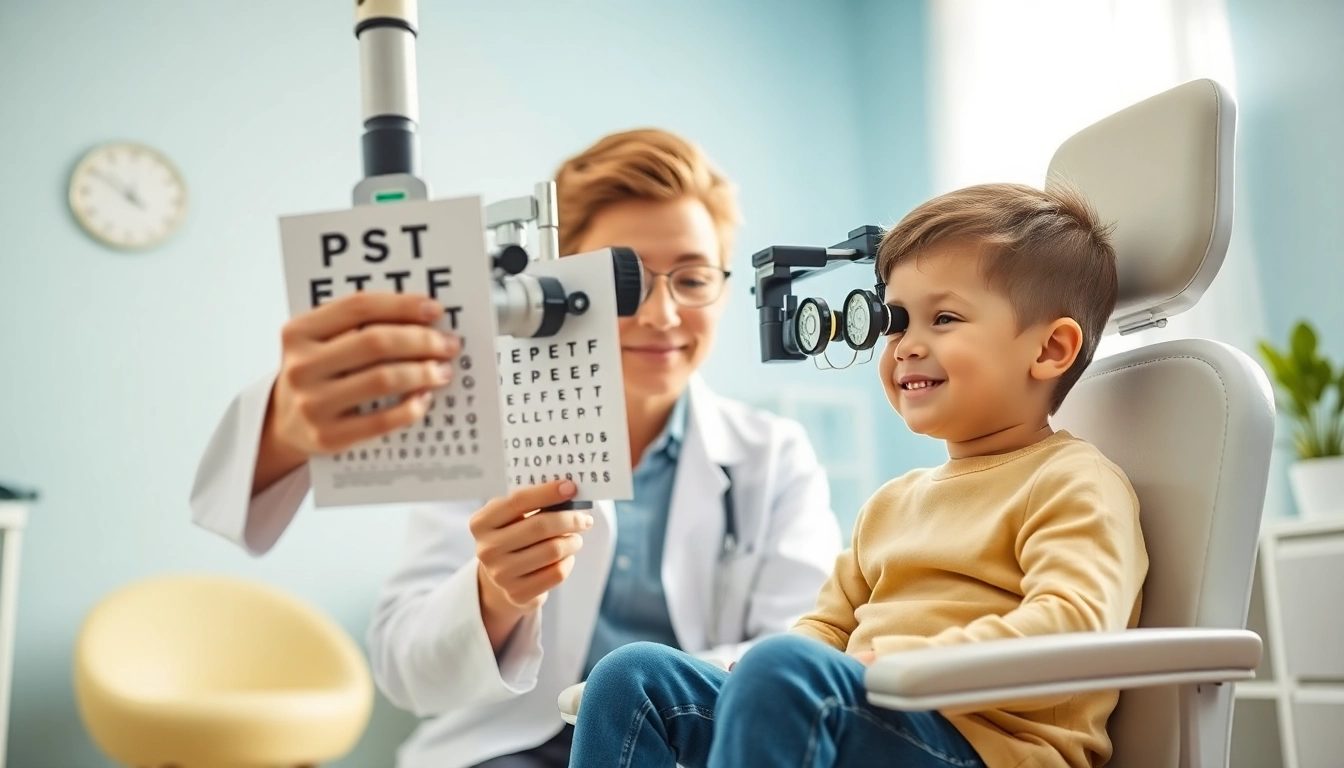
Understanding Our Children's Vision Initiative
The importance of children's vision health has gained significant attention in recent years. With advances in research and awareness, movements like Our Children's Vision have emerged to address the urgent need for comprehensive eye care access for children worldwide. This initiative aims to curb the alarming statistics surrounding childhood vision impairment and to foster better visual health outcomes.
The Importance of Vision Care for Children
Vision is a crucial sense for children's development; it plays a vital role in their learning, social interactions, and overall well-being. According to experts, nearly 1 in 4 children in the United States has an undiagnosed vision problem. Early intervention, particularly during formative years, is essential to ensure they thrive both academically and socially. Undiagnosed vision issues can lead to more serious complications later in life, affecting their education and emotional development.
Goals and Objectives of Our Children's Vision
The primary goal of the Our Children's Vision initiative is to ensure that every child has access to essential vision care services. The objectives include:
- Increasing awareness about the importance of regular vision screenings.
- Establishing partnerships with healthcare providers, schools, and communities to facilitate eye care services.
- Providing resources and education to parents about child eye health.
- Advocating for policies that support increased funding for children's eye care initiatives.
Key Partnerships Supporting Our Children's Vision
The success of the Our Children's Vision initiative is bolstered by a variety of partnerships with local and global organizations. Collaboration among hospitals, nonprofits, schools, and governmental bodies ensures that resources are allocated efficiently and effectively. These partnerships play a significant role in resource sharing, knowledge exchange, and amplifying the initiative's message, ultimately driving increase in access to critical eye care services for children.
Common Vision Problems in Children
Understanding common vision problems faced by children is essential for parents, guardians, and educators. Early diagnosis is pivotal in addressing these issues effectively.
Identifying Symptoms and Early Diagnosis
Some common symptoms of vision problems in children include squinting, sitting too close to the television, headaches, and difficulty reading or doing homework. Regular eye exams are crucial during a child's formative years to catch any vision-related issues early. Health professionals recommend children have their first comprehensive eye examination by age one, and subsequent exams at age three and before starting school. The earlier these problems are identified, the more effectively they can be managed.
The Impact of Undiagnosed Vision Issues
Undiagnosed vision problems can have long-lasting effects on a child's educational performance and social interactions. For example, children with uncorrected refractive errors may struggle to keep up with their peers in school. This can lead to frustration, low self-esteem, and a disinterest in learning, which can persist throughout their academic careers. According to research, children who receive proper vision care show improved academic performance and a better quality of life.
Myths Surrounding Child Eye Health
Misinformation can hinder awareness about child eye health. One prevalent myth is that children will outgrow their vision problems; however, many conditions, such as strabismus or amblyopia, require timely intervention to avoid permanent damage. Another myth is that if a child is good at sports or reading, their vision is fine. In reality, many children may excel in sports while having underlying visual problems. It is crucial to promote accurate information to ensure that children's eye health is taken seriously.
Best Practices for Maintaining Healthy Vision
To ensure optimal vision health in children, several best practices can be implemented:
Regular Eye Examinations
As mentioned previously, having regular eye examinations is key. These check-ups allow for monitoring changes in visual acuity and can catch issues that may develop over time. Eye examinations can assess a range of conditions, including refractive errors, eye alignment issues, and even health conditions like diabetes that may affect vision.
Encouraging Healthy Visual Habits
Encouraging children to adopt healthy visual habits can significantly impact their long-term eye health. This includes limiting screen time, encouraging regular breaks during detailed visual tasks, and ensuring proper lighting during reading or screen use. Teaching children to maintain a comfortable distance when viewing screens can help reduce eye strain.
Nutritional Factors Influencing Eye Health
A well-balanced diet rich in fruits, vegetables, and omega-3 fatty acids can play a substantial role in maintaining eye health. Nutrients like lutein and zeaxanthin, found in green leafy vegetables, have protective benefits for the eyes. Additionally, ensuring that children stay hydrated helps maintain overall health, including eye health. Parents should focus on incorporating various colorful, nutrient-dense foods into their children's meals to fortify their eye health.
Education and Awareness Initiatives
Education and awareness are fundamental components of the Our Children's Vision initiative, aiming to empower communities and families through knowledge about eye health.
Community Outreach Programs
Community outreach programs serve as a platform for the initiative to engage with local families and spread awareness about the importance of eye care. Workshops, seminars, and health fairs provide opportunities for hands-on education and eye health assessments. These programs often involve collaboration with healthcare professionals who can provide insight and support on maintaining eye health.
School-Based Eye Care Initiatives
Schools play a critical role in identifying vision problems in children. Implementing school-based eye care initiatives ensures that eye screenings become a routine part of children's health check-ups. Educators and school nurses are often trained to recognize symptoms of vision issues, which can lead to referrals for further examinations. Integrating eye health education into the school curriculum can also help children learn the significance of taking care of their eyes.
Resources for Parents and Caregivers
Providing resources for parents and caregivers is crucial in promoting awareness and facilitating proactive measures for children's eye health. Comprehensive guides and toolkits can help parents understand the signs of vision problems and the benefits of timely intervention. Additionally, offering information on local eye care services can help families access essential support when required. Online resources and hotlines can also be valuable for families needing immediate assistance or clarification regarding eye health matters.
Measuring the Impact of Our Children's Vision
The ongoing measurement of the impact of the Our Children's Vision initiative allows stakeholders to evaluate the efficacy of their programs and understand their reach and success.
Success Stories and Case Studies
Highlighting success stories and case studies from children who have benefited from improved vision care can inspire and galvanize action. These narratives demonstrate the profound changes that early intervention can bring to a child's life, transforming their educational experience and overall happiness. Detailed case studies can outline the intervention process, highlight the importance of timely action, and showcase the collaborative efforts of various partners in the initiative.
Statistics on Child Vision Health Improvements
Statistics serve as powerful tools in showcasing the impact of initiatives like Our Children's Vision. Tracking data relating to the number of children who have gained access to vision screenings and corrective care helps illustrate the initiative’s success. Additionally, longitudinal studies that reflect improvements in academic performance and quality of life post-intervention can further provide a compelling case for the necessity of ongoing funding and support for children's eye health programs.
Future Goals and Continued Support Strategies
Looking ahead, setting future goals and outlining support strategies for Our Children's Vision is essential to ensure sustainability. These goals might include increasing the number of partnerships, securing additional funding for resources, and further integrating eye health education into various platforms, such as schools and community programs. By continually adapting to emerging needs and leveraging technological advancements, the initiative can address long-term challenges associated with children's vision care.