The Basics of Gardening
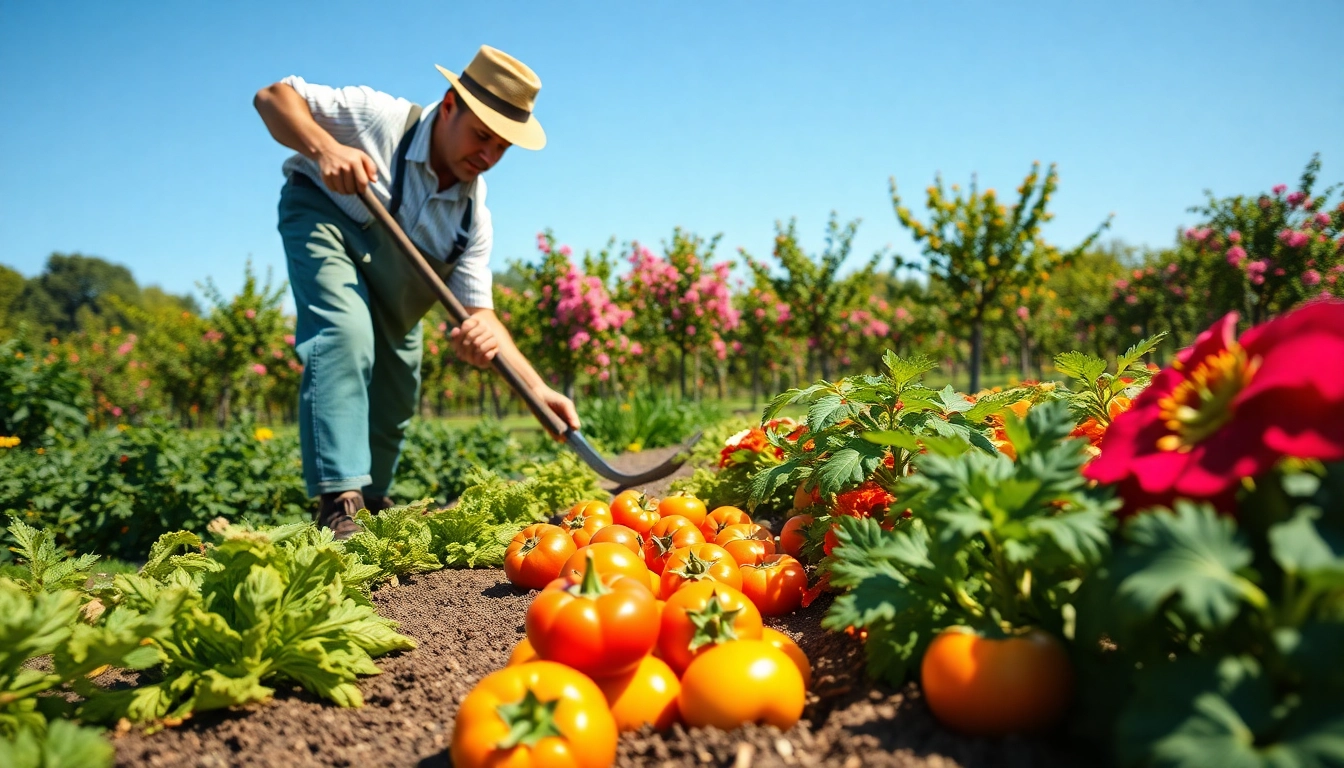
Gardening is an art that intertwines science and creativity, allowing individuals to cultivate their green thumb and reap the rewards of their efforts. For both seasoned gardeners and beginners, understanding the essentials of gardening is crucial. This involves comprehending the various components that contribute to a successful garden, such as soil, sunlight, and watering techniques. By grasping these underlying principles, one can set the foundation for a thriving garden. Whether you aim to produce exquisite flowers, luscious vegetables, or fragrant herbs, mastering the basics is the first step toward achieving your gardening aspirations. For more insights on this rejuvenating pastime, explore the realm of Gardening and unlock a world of vibrant possibilities.
Understanding Soil Types for Optimal Gardening
Soil is the lifeblood of any garden, serving as the medium in which plants develop. Different types of soil provide varying levels of nutrients, drainage, and aeration, which significantly impact plant health and growth. There are primarily three soil types: sandy, clay, and loamy soils, each with its unique properties.
- Sandy Soil: Known for its excellent drainage capabilities, sandy soil warms up quickly in spring but can struggle to retain moisture. This type is often low in nutrients, requiring regular amendments to support plant growth.
- Clay Soil: Clay retains water effectively but drains poorly, leading to potential root rot in plants. While nutrient-rich, it is essential to incorporate organic matter to enhance its structure and improve drainage.
- Loamy Soil: The ideal soil for gardening, loamy soil is a balanced mixture of sand, clay, and silt, providing optimal drainage, aeration, and nutrient retention.
To best prepare your soil, conduct a soil test to identify pH levels and nutrient content, allowing you to amend the soil accordingly with compost, organic fertilizers, or pH adjusters as necessary.
The Importance of Sunlight in Gardening
Sunlight is a critical factor in plant growth, affecting photosynthesis and ultimately the health and productivity of your garden. Different plants have varying light requirements, with some thriving in full sunlight while others prefer partial shade. Understanding these needs will help you position your plants effectively.
The main types of light exposure are:
- Full Sun: Plants that require full sun need at least six hours of direct sunlight daily. Examples include tomatoes, peppers, and sunflowers.
- Partial Shade: These plants do well with four to six hours of direct sunlight, making them ideal for areas that receive some shade during the day. Examples include lettuce and ferns.
- Full Shade: Less common, these plants thrive in low-light conditions with minimal direct sunlight. They include shade-tolerant species like hostas and ferns.
Consider the orientation of your garden plot, the time of day sunlight reaches different areas, and the presence of trees or structures that may cast shadows. Recognizing your garden's unique light patterns will lead to more successful plant growth.
Watering Techniques That Benefit Your Plants
Watering is essential for plant survival, promoting healthy growth and development. However, over-watering or under-watering can have detrimental effects. Establishing an effective watering routine is vital.
The following techniques can optimize your watering practices:
- Deep Watering: Water deeply but infrequently to encourage deep root growth. This technique helps plants withstand drought conditions.
- Drip Irrigation: This system delivers water directly to the base of plants, reducing waste and minimizing evaporation, making it an efficient option for larger gardens.
- Rain Barrels: Collecting rainwater can be an eco-friendly solution, providing a sustainable water source for your garden.
Always water in the early morning or late afternoon to reduce evaporation, and consider the specific needs of different plants—some may require more frequent watering than others.
Choosing the Right Plants for Your Garden
Selecting the right plants is integral to ensuring a successful gardening experience. This process involves understanding local weather patterns, choosing between different plant types, and recognizing which plants suit your preferences and growth conditions best.
Identifying Local Weather Patterns and Their Impact on Gardening
Weather patterns play a vital role in gardening success. Different regions experience varying climates that affect plant growth. Understanding your local climate zones—defined by factors such as average temperatures, rainfall, and frost dates—helps you make informed decisions when selecting plants.
Research local gardening calendars and frost dates to determine the best planting and harvesting times. Additionally, be mindful of the effects of weather phenomena such as droughts, floods, or extreme temperatures, and plan your garden accordingly.
Annual vs. Perennial Plants: What to Know
Another critical consideration when choosing plants is distinguishing between annuals and perennials.
- Annual Plants: These plants complete their life cycle within a single growing season, dying after seeds are produced. They typically offer vibrant blooms and rapid growth, making them great for seasonal displays. Examples include marigolds and petunias.
- Perennial Plants: Perennials persist for several years, returning each season to bloom again. They may require more initial care but offer long-term beauty. Examples include peonies and daylilies.
Deciding on a combination of both can provide continuous seasonal interest and allow for creativity in seasonal design.
Herbs, Vegetables, and Flowers: Making the Right Choices
Understanding your gardening goals helps direct plant selection, whether you seek a flower garden, vegetable plot, or herb showcase. Consider the following:
- Herb Gardens: Ideal for culinary enthusiasts, herbs like basil, rosemary, and thyme can thrive in small spaces or even pots.
- Vegetable Gardens: For those aiming to provide homegrown produce, consider selecting vegetables that thrive in your climate and soil type, such as carrots, lettuce, and tomatoes.
- Flower Gardens: Aesthetic choices play a crucial role. Opt for a color scheme or theme, incorporating flowers that grow well together.
Ultimately, selecting plants that fit your space, preferences, and effort level will yield the best results.
Garden Planning and Layout
Effective planning and layout can take your gardening efforts to new heights. By thoughtfully arranging your garden layout, you can maximize space, enhance aesthetics, and streamline maintenance tasks.
Creating Efficient Garden Beds
Garden beds should be strategically designed based on accessibility, sunlight, and plant compatibility. Raised beds can offer several advantages, such as improved drainage, better pest control, and enhanced soil warmth.
Consider the following points when designing your garden beds:
- Width: Beds should ideally not exceed 4 feet in width to ensure easy reach for maintenance tasks.
- Length: Length is flexible, but keep in mind the space available and access paths.
- Height: Raised beds typically rise 12-24 inches, allowing for better soil control and improved accessibility.
Companion Planting Strategies in Gardening
Companion planting involves grouping plants that benefit one another when grown in close proximity. Practicing this technique can yield numerous advantages, including pest control, improved growth rates, and better utilization of space. Examples of successful companions include:
- Basil and tomatoes
- Carrots and onions
- Cabbage and dill
Researching which plants pair well together can enhance your garden's productivity and health.
Designing Pathways and Decorative Features
Adding pathways and decorative elements can enhance both the functionality and aesthetic appeal of your garden. Paths can prevent soil compaction and provide easy access for maintenance, while decorative features such as trellises, arbors, and statues can enhance the visual impact.
Consider the following when planning your garden layout:
- Pathway Material: Choose materials that suit your overall garden theme, such as gravel, brick, or stone.
- Plant Heights: Position taller plants in the back or center of beds, with shorter plants in the front for visibility.
- Seasonal Interest: Include plants that bloom at different times to ensure continuous beauty throughout the growing season.
Incorporating well-planned pathways and decorative elements can foster an inviting atmosphere and showcase your gardening efforts.
Maintenance Practices for a Thriving Garden
Ongoing maintenance is crucial for sustaining a vibrant and healthy garden. Regular care ensures that your plants reach their full potential and can withstand pests and environmental challenges.
Organic Pest Control Methods for Sustainable Gardening
Pest management is a common challenge in gardening. Choosing organic methods can ensure sustainability and reduce the impact of chemicals on the environment. Some effective organic pest control methods include:
- Beneficial Insects: Attract or introduce beneficial insects like ladybugs and lacewings that prey on common pests.
- Neem Oil: Derived from the neem tree, this organic pesticide disrupts pest life cycles without harming beneficial insects.
- Companion Plants: As discussed earlier, certain plants can repel pests, such as marigolds against aphids.
Integrating these methods into your gardening routine can help maintain a thriving garden ecosystem.
Seasonal Care: What to Do Each Season in Gardening
Gardening requires adapting care practices to align with each season's unique conditions. Here’s a breakdown of essential seasonal tasks:
- Spring: Prepare soil, plant annuals, and begin fertilization. This is also the time to sow seeds indoors for a head start.
- Summer: Focus on watering, weeding, and monitoring for pests. Harvest early vegetables and flowers as they mature.
- Fall: Clean up spent plants, amend soil, and plant perennials or bulbs for spring bloom. It's also essential to prepare for winter by mulching.
- Winter: Protect tender plants from frost, conduct planning and research for the upcoming season, and prepare tools for storage.
Adhering to seasonal care tasks will maximize your garden's health and productivity throughout the year.
Fertilization Techniques That Promote Growth
Optimal fertilization is essential for providing plants with the nutrients they need to thrive. Understanding the right types of fertilizers and application methods is crucial.
Types of fertilizers include:
- Organic Fertilizers: These slow-release options, such as compost and well-rotted manure, improve soil health over time.
- Inorganic Fertilizers: Fast-acting synthetic fertilizers can provide immediate nutrients but may lead to soil depletion if overused.
- Liquid Fertilizers: These are readily available for quick absorption and can be mixed with water for easy application.
Monitoring your plants’ growth and adjusting fertilization practices based on their needs will foster a thriving garden.
Advanced Gardening Strategies
For gardeners seeking to elevate their skills, advanced gardening strategies can yield extraordinary results and explore innovative growing methods.
Permaculture Principles in Gardening
Permaculture is an ecological design system that emphasizes working in harmony with nature. Key principles include:
- Observation and Interaction: Understanding your garden's natural ecosystem and applying what you learn to enhance growth.
- Diversity: Planting a variety of species to promote a balanced ecosystem and reduce pest pressure.
- Energy Efficiency: Designing layouts that minimize energy and resource use, including companion planting and natural pest control.
Implementing permaculture principles fosters resilience within your garden while reducing reliance on external inputs.
Exploring Hydroponics and Vertical Gardening
Hydroponics involves growing plants without soil, using nutrient-rich water instead. This method allows for precise control over nutrients, leading to faster growth rates. It’s especially effective for herbs and leafy greens.
Vertical gardening is another space-saving strategy, ideal for urban gardeners. By utilizing walls or structures, you can maximize growing area and create stunning displays. Consider incorporating:
- Wall-mounted planters
- Vertical garden systems
- Pockets or shelves for growing plants
Both methods can dramatically increase productivity and beauty in limited spaces.
Maximizing Space with Container Gardening Techniques
Container gardening allows you to grow plants virtually anywhere, making it an ideal solution for urban settings or small outdoor areas. Here are key strategies to maximize your container gardening experience:
- Choose the Right Containers: Ensure containers have adequate drainage holes and are large enough for the plants’ root systems.
- Use Quality Soil: Select high-quality potting mixes designed for container use, as they provide the necessary drainage and nutrients.
- Grouping Containers: Arrange pots together to create a cohesive look and help retain moisture.
Container gardening opens up possibilities for creativity in plant selection, design, and layout, allowing you to tailor your space to your preferences.