
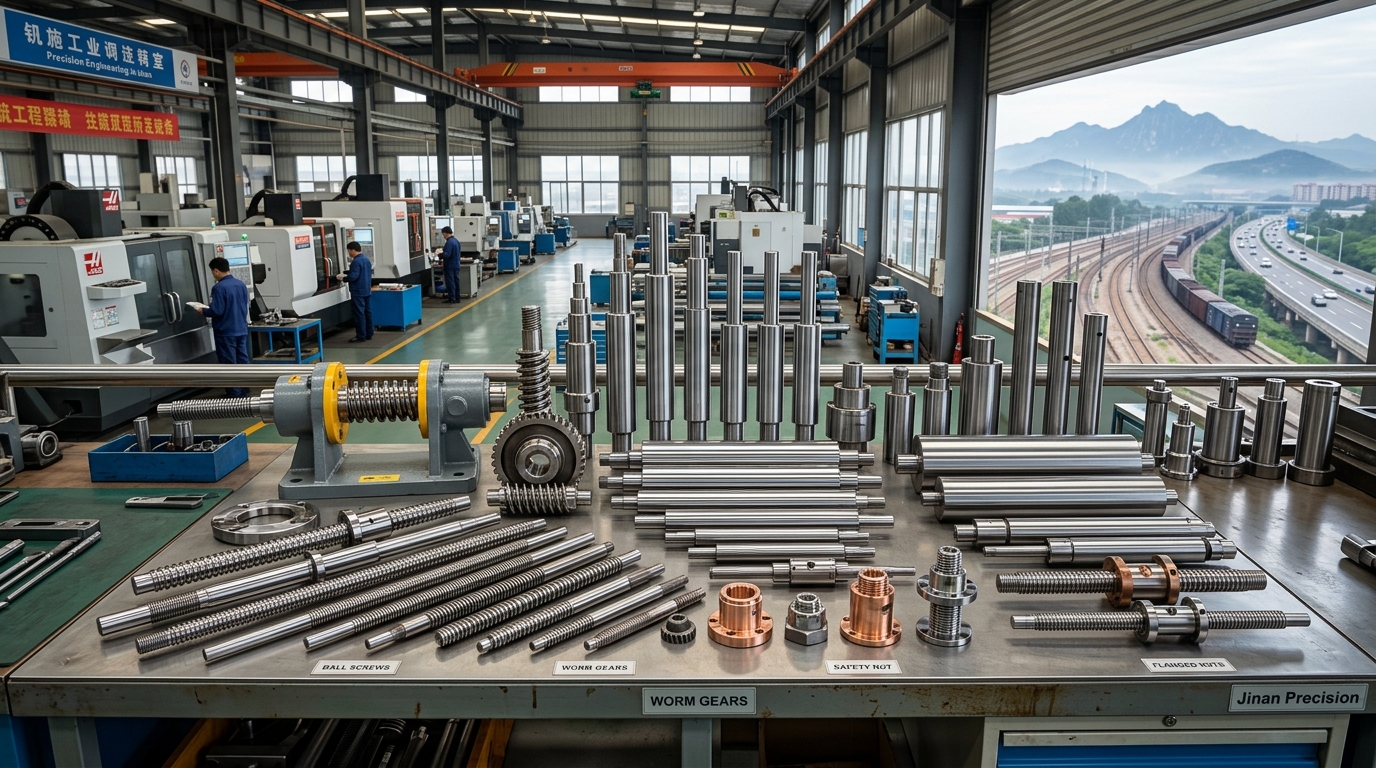
Introduction to High Precision Rollers
In the rapidly evolving fields of machinery and automation, components that combine durability, accuracy, and efficiency are crucial. Among these, the roller stands out as a fundamental element. A high precision roller not only facilitates smooth movement but also ensures that machinery operates with optimal performance. At Shandong Kaiwo Machinery Co., Ltd., we specialize in producing high-quality rollers designed to meet the stringent demands of modern industrial applications.
Understanding the significance of rollers in machinery and automation is vital for engineers, manufacturers, and decision-makers seeking reliable components. This article delves into the types, applications, materials, and maintenance strategies for rollers, highlighting why selecting the right roller can profoundly impact operational efficiency.
Understanding Rollers: Definition and Function
What is a Roller?
A roller is a cylindrical component that rotates along a fixed axis, often used to move or guide materials, support loads, or transmit motion within machinery. Rollers are integral in industries ranging from automotive manufacturing to packaging, providing both stability and precision.
Functions of a Roller in Machinery
- Load Distribution: Rollers evenly distribute weight across machinery components, reducing wear and enhancing durability.
- Smooth Movement: By reducing friction, rollers allow materials and machine parts to move efficiently.
- Alignment and Guidance: In automation systems, rollers guide materials or mechanical elements along a precise path.
- Torque and Power Transmission: Certain rollers help transmit mechanical power within machines, ensuring seamless operation.
Types of Rollers for Machinery and Automation
Standard Rollers
Standard rollers are commonly used in conveyor systems, material handling, and assembly lines. They are designed for moderate precision and are cost-effective solutions for general industrial applications.
High Precision Rollers
High precision rollers, as the name suggests, are manufactured to extremely tight tolerances. These rollers are ideal for automated machinery where accuracy is critical. They reduce vibration, improve load handling, and extend the life of mechanical systems.
Coated Rollers
Some rollers feature specialized coatings, such as polyurethane or rubber, to enhance grip, reduce noise, or prevent damage to delicate materials. Coated rollers are frequently employed in industries like printing, textiles, and electronics assembly.
Customized Rollers
At Shandong Kaiwo Machinery Co., Ltd., we also provide customized rollers tailored to specific machinery requirements. Customization includes size, material, coating, and tolerance adjustments to meet unique industrial needs.
Key Materials Used in Rollers
Steel Rollers
Steel rollers are known for their strength, durability, and ability to withstand heavy loads. They are suitable for high-stress environments such as metalworking, automotive manufacturing, and mining operations.
Stainless Steel Rollers
Stainless steel rollers resist corrosion, making them ideal for food processing, pharmaceutical industries, and environments exposed to moisture or chemicals.
Rubber and Polyurethane Rollers
These rollers provide cushioning, reduce vibration, and enhance material handling by preventing slippage. They are especially useful in printing, packaging, and textile machinery.
Ceramic Rollers
Ceramic rollers offer high wear resistance, thermal stability, and low friction. They are often used in precision machinery where extreme accuracy is required.
Applications of Rollers in Automation
Conveyor Systems
Rollers are the backbone of conveyor systems. They support, guide, and propel materials efficiently, ensuring seamless production flow. High precision rollers in conveyors reduce downtime, increase speed, and improve product handling accuracy.
Printing and Packaging Machinery
In printing presses and packaging machines, rollers guide paper, film, or packaging material through precise pathways. High precision rollers reduce material misalignment and prevent defects, ensuring consistent quality.
Industrial Robotics
Robotic arms and automated machinery often rely on rollers for joint movement, linear guidance, or material transport. Precision rollers are critical in robotics to maintain accurate positioning and smooth operation.
Textile and Plastic Processing
In textile looms or plastic extrusion machines, rollers control the movement of fibers, threads, or films. High precision rollers ensure even tension, preventing material stretching or deformation.
Metalworking and Machining
Rollers play a key role in machining operations such as rolling mills, cutting machines, and stamping presses. The right roller ensures uniform pressure, precise dimensions, and reduced wear on machine components.
Advantages of Using High Precision Rollers
Enhanced Accuracy
High precision rollers provide consistent motion and alignment, reducing mechanical errors and improving product quality.
Increased Longevity
Durable materials and accurate manufacturing reduce wear, minimizing maintenance frequency and extending the service life of machinery.
Reduced Downtime
By ensuring smooth operation and minimizing mechanical failures, high precision rollers contribute to higher productivity and lower operational costs.
Improved Safety
Stable and precise rollers reduce the risk of malfunctions or material mishandling, creating safer working conditions in automated environments.
Energy Efficiency
Low-friction rollers decrease energy consumption in conveyor systems and machinery, promoting environmentally friendly operations and cost savings.
Choosing the Right Roller
Assessing Load Requirements
The first step in selecting a roller is evaluating the load it must support. High precision rollers come in various load capacities, and choosing the correct one ensures both safety and durability.
Considering Operating Environment
Environmental factors such as temperature, moisture, chemical exposure, and cleanliness influence the choice of material and coating. For instance, stainless steel rollers are preferred in wet or corrosive conditions.
Evaluating Speed and Motion
High-speed applications require rollers with tight tolerances and low friction. Similarly, continuous motion or oscillating applications may demand specialized bearings or coatings.
Maintenance and Replacement
Choosing rollers that are easy to maintain or replace reduces downtime and ensures consistent machine performance. Modular roller designs can simplify replacement without disrupting production lines.
Maintenance Tips for Rollers
Regular Cleaning
Dust, debris, and chemical residues can reduce roller efficiency. Regular cleaning maintains smooth operation and prevents premature wear.
Lubrication
Proper lubrication reduces friction, prevents overheating, and prolongs roller life. High precision rollers may require specialized lubricants suitable for their material and coating.
Inspection and Alignment
Routine inspections for misalignment, wear, or surface damage are essential. Misaligned rollers can cause vibrations, uneven load distribution, and reduced machinery efficiency.
Timely Replacement
Even with proper maintenance, rollers eventually wear out. Replacing worn rollers promptly prevents damage to other machine components and maintains consistent operational quality.
Innovations in Roller Technology
Smart Rollers
Recent advances in sensor technology have led to “smart rollers” capable of monitoring temperature, load, and vibration. These rollers provide real-time data, allowing predictive maintenance and reducing unplanned downtime.
Advanced Coatings
New coatings enhance durability, reduce friction, and improve resistance to chemicals or extreme temperatures. Advanced coatings extend roller lifespan and increase the efficiency of automation systems.
High-Speed Precision Engineering
Modern manufacturing techniques, such as CNC machining and laser surface treatment, allow for ultra-precise roller production. These rollers support high-speed machinery with minimal vibration and superior accuracy.
Why Choose Shandong Kaiwo Machinery Co., Ltd.
At Shandong Kaiwo Machinery Co., Ltd., we are committed to delivering high-quality rollers for machinery and automation. Our products are engineered with precision, durability, and performance in mind. We offer:
- Customized Solutions: Tailored rollers for specific industrial needs.
- High Precision Manufacturing: Ensuring consistent performance and tight tolerances.
- Durable Materials: Including steel, stainless steel, rubber, and ceramic.
- Comprehensive Support: Technical guidance and after-sales service for optimal performance.
Our dedication to quality and innovation has made us a trusted supplier of rollers for industries worldwide. By choosing our rollers, businesses benefit from reduced downtime, improved accuracy, and long-lasting machinery performance.
Conclusion
Rollers are indispensable components in machinery and automation, playing a pivotal role in load distribution, motion guidance, and precision performance. High precision rollers, in particular, enhance operational efficiency, reduce maintenance costs, and improve safety across industrial applications.