Choosing the right motorcycle for off-road adventures can be an exhilarating yet daunting task. With so many options available in the market, understanding the nuances and specific features of various motorcycle types is essential to finding the perfect match for your riding style and preferences. This comprehensive guide will delve into the different types of off-road motorcycles, assess your riding experience, evaluate motorcycle specifications, discuss budgeting considerations, and highlight the essential gear and maintenance tips for a successful off-road experience. By the end of this guide, you will be better equipped to make informed decisions about your next off-road motorcycle purchase. For more valuable insights and information, visit https://relevance.com.ua.
Understanding the Off-Road Motorcycle Types
Defining Off-Road vs. Dual-Sport Motorcycles
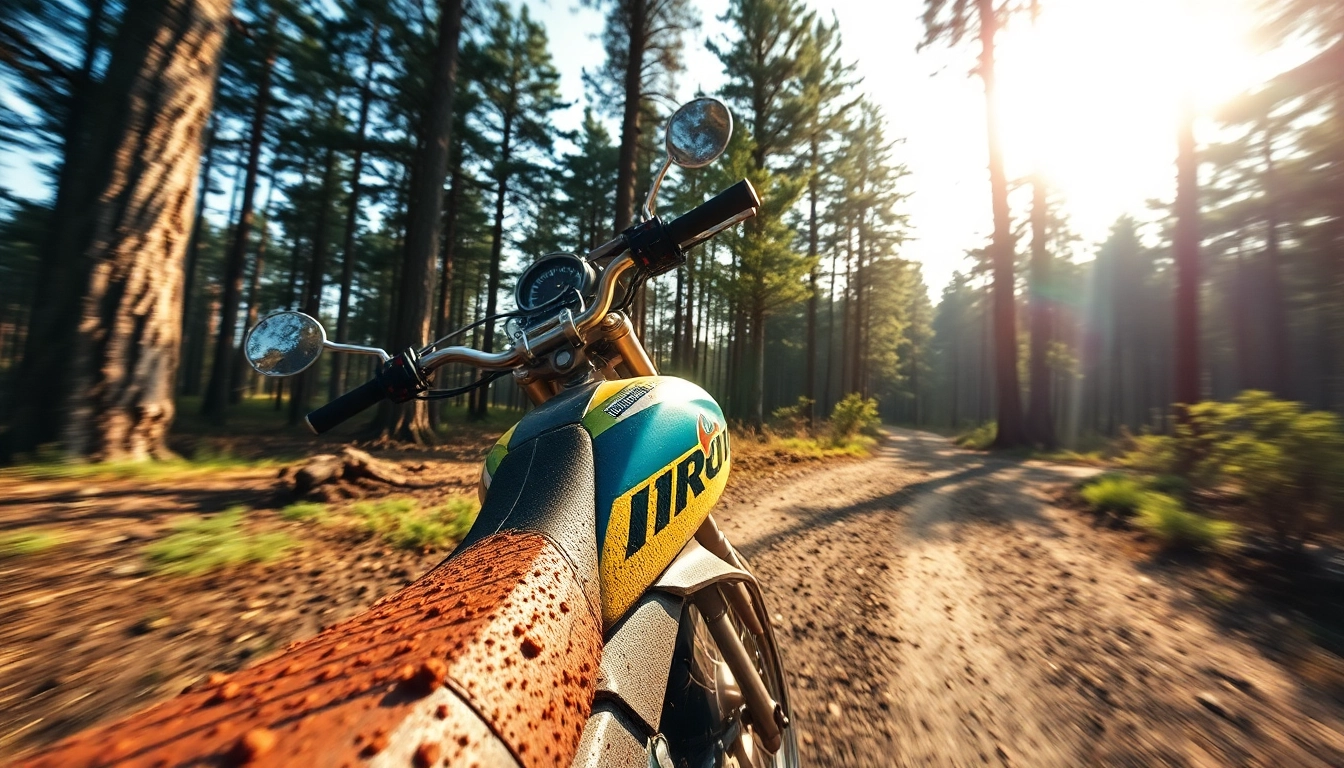
When exploring off-road motorcycles, it is essential to understand the distinction between off-road and dual-sport motorcycles. Off-road motorcycles are purpose-built machines designed to excel on unpaved surfaces, including dirt trails, rocky paths, and motocross tracks. They usually feature lightweight frames, long suspension travel, and knobby tires that enhance traction on uneven terrains.
On the other hand, dual-sport motorcycles blend off-road capabilities with street-legal functionality, allowing riders to traverse both off-road trails and paved roads. Dual-sport motorcycles generally come equipped with turn signals, headlights, and other features necessary for road use, making them a great choice for riders who wish to explore diverse environments without being limited to specific terrains.
Key Features of Enduro Motorcycles
Enduro motorcycles are a popular subset of off-road motorcycles, specifically designed for long-distance off-road events. These bikes come equipped with powerful engines, endurance-focused chassis, and fuel tanks with larger capacities, allowing riders to cover significant distances without frequent refueling.
Notable features of enduro motorcycles include:
- Lightweight Construction: Enduro motorcycles are typically lighter than other off-road types, enhancing maneuverability on rugged trails.
- Long Suspension Travel: These bikes often feature advanced suspension systems that provide ample shock absorption during rough rides, ensuring comfort and control.
- Durability: Built to withstand the rigors of off-road riding, enduro motorcycles often feature rugged components and protective elements to guard against debris and damage.
Benefits of Motocross Bikes for Competitive Riding
Motocross bikes are specifically built for high-performance racing on closed courses, featuring jumps, berms, and obstacles. These motorcycles prioritize speed, agility, and responsiveness, making them ideal for competitive riders. The benefits of motocross bikes include:
- High Power-to-Weight Ratio: Motocross bikes are designed to be lightweight with powerful engines, delivering rapid acceleration and top speeds.
- Precision Handling: The engineering behind motocross motorcycles allows for exceptional handling on challenging racecourses, helping riders maintain control at high speeds.
- Enhanced Suspension Systems: Advanced suspension setups help absorb impacts from jumps and uneven terrain, improving overall rider confidence and performance.
Assessing Your Riding Skills and Experience
Beginner-Friendly Motorcycles for New Riders
For new riders, starting with a beginner-friendly motorcycle can significantly enhance the learning experience and reduce the chances of accidents. Ideal beginner motorcycles typically possess a lower seat height, manageable engine size, and predictable handling. Some options to consider for novice riders include smaller displacement bikes that allow for a steep learning curve without overwhelming power.
Examples of beginner-friendly motorcycles may include lightweight dual-sport and enduro models equipped with smaller engines, ensuring that new riders can build confidence while honing their skills.
Tips for Intermediate and Advanced Riders
As you gain experience, your riding preferences may evolve. Intermediate and advanced riders often seek motorcycles that can handle more challenging terrains and offer higher performance. When considering upgrades, think about power delivery, suspension settings, and weight distribution to find a model that matches your riding style.
Additionally, engaging with local riding communities or clubs can provide valuable insights and hands-on opportunities to test different bikes, helping you make informed decisions about potential upgrades.
How to Safely Test Ride a Motorcycle
Before committing to a purchase, it’s crucial to test ride a motorcycle to experience its handling, comfort, and overall suitability. Here are some tips for conducting a safe and effective test ride:
- Check the Controls: Familiarize yourself with the motorcycle's controls, including the throttle, brakes, and clutch, before hitting the trails.
- Begin at Low Speeds: Start your ride slowly to assess the bike's balance and handling before gradually increasing your speed.
- Practice Turns and Maneuvers: Test the motorcycle's agility by practicing turns, stopping, and other riding maneuvers in a controlled environment.
Evaluating the Motorcycle's Specifications
Importance of Engine Size and Weight
The engine size and weight of an off-road motorcycle significantly impact its performance. Larger engines typically provide more power and torque, enabling better acceleration and handling rough terrains. However, more power also means more responsibility, particularly for inexperienced riders.
Weight is another crucial factor; lighter motorcycles enhance maneuverability and control, making them easier to handle in tight or technical conditions. Conversely, heavier bikes may offer better stability at high speeds but can be tiring for inexperienced riders on lengthy rides.
Understanding Suspension Systems and Their Impact
An off-road motorcycle's suspension system plays a vital role in ride quality and performance. A well-designed suspension system allows for increased shock absorption, enhancing comfort and control on bumpy terrains. Key aspects to consider when evaluating suspension include:
- Travel: Longer suspension travel generally improves performance over obstacles and uneven surfaces.
- Adjustability: Go for bikes with adjustable suspension settings, allowing riders to tweak settings according to personal preferences or specific terrain types.
Key Safety Features to Look For
Safety should always be a top priority when selecting an off-road motorcycle. Here are some must-have safety features to consider:
- Brakes: Ensure the motorcycle is equipped with high-quality brakes, preferably with disc brakes for superior stopping power.
- Durable Frame: Look for motorcycles with robust frames that can withstand rigorous off-road conditions.
- Handlebar Design: A well-designed handlebar contributes to better control and grip while navigating rough trails.
Budgeting for Your Off-Road Motorcycle Purchase
Understanding the Costs Associated with Off-Road Bikes
Purchasing an off-road motorcycle involves various costs beyond the base price of the bike. Consider these aspects when budgeting:
- Insurance: Insurance costs can vary based on the motorcycle model and rider profile.
- Registration fees: Depending on your region, you may need to pay registration fees to legally operate your motorcycle.
- Maintenance: Consider the ongoing maintenance costs, including oil changes, tire replacements, and potential repairs.
Used vs. New Motorcycles: Pros and Cons
Deciding between a new or used motorcycle can significantly impact your overall experience. Here are some critical factors to weigh:
- New Motorcycles: Generally offer warranties and the latest technology but come at a premium price.
- Used Motorcycles: More affordable options but they may have hidden issues or less advanced features.
Conduct thorough research and inspections regardless of your choice to ensure the best value for your investment.
Finding Financing Options for Your Motorcycle
If a full cash purchase isn’t feasible, many financing options are available. Explore the following:
- Dealership Financing: Many motorcycle dealerships offer financing packages with competitive rates.
- Bank Loans: Traditional loan options may provide flexibility, allowing you to compare lenders for the best terms.
- Credit Unions: Local credit unions often have favorable financing rates and terms for motorcycle purchases.
Essential Gear and Maintenance Tips
Must-Have Protective Gear for Off-Road Riding
Proper safety gear is crucial for all off-road riders to minimize risks and enhance protection. Essential protective gear includes:
- Helmet: A DOT-certified helmet is vital to protect against head injuries.
- Gloves: Durable gloves provide grip and protection for your hands while riding.
- Body Armor: Chest protectors and knee guards can help cushion blows from falls or impacts.
- Boots: Sturdy, padded boots are essential for protecting your feet and ankles from injury.
Routine Maintenance Tasks for Longevity
To keep your motorcycle in optimal condition, regular maintenance is essential. Here are frequent tasks to ensure longevity:
- Oil Changes: Change the engine oil according to the manufacturer’s recommendations to keep the engine running smoothly.
- Chain Maintenance: Regularly clean and lubricate the motorcycle chain to ensure smooth operation and prevent wear.
- Tire Inspections: Frequently check tire pressure and tread for optimal performance and handling.
Taking Your Motorcycle on Trails: Tips and Guidelines
Embarking on an off-road adventure requires understanding essential riding techniques and trail etiquette. Consider the following tips:
- Stick to Designated Trails: Only ride on marked trails to minimize environmental impact and ensure rider safety.
- Ride at a Controlled Pace: Adjust your speed based on conditions, and maintain control, especially on unfamiliar terrain.
- Be Aware of Your Surroundings: Always stay alert to potential hazards, other riders, or wildlife on the trails.