
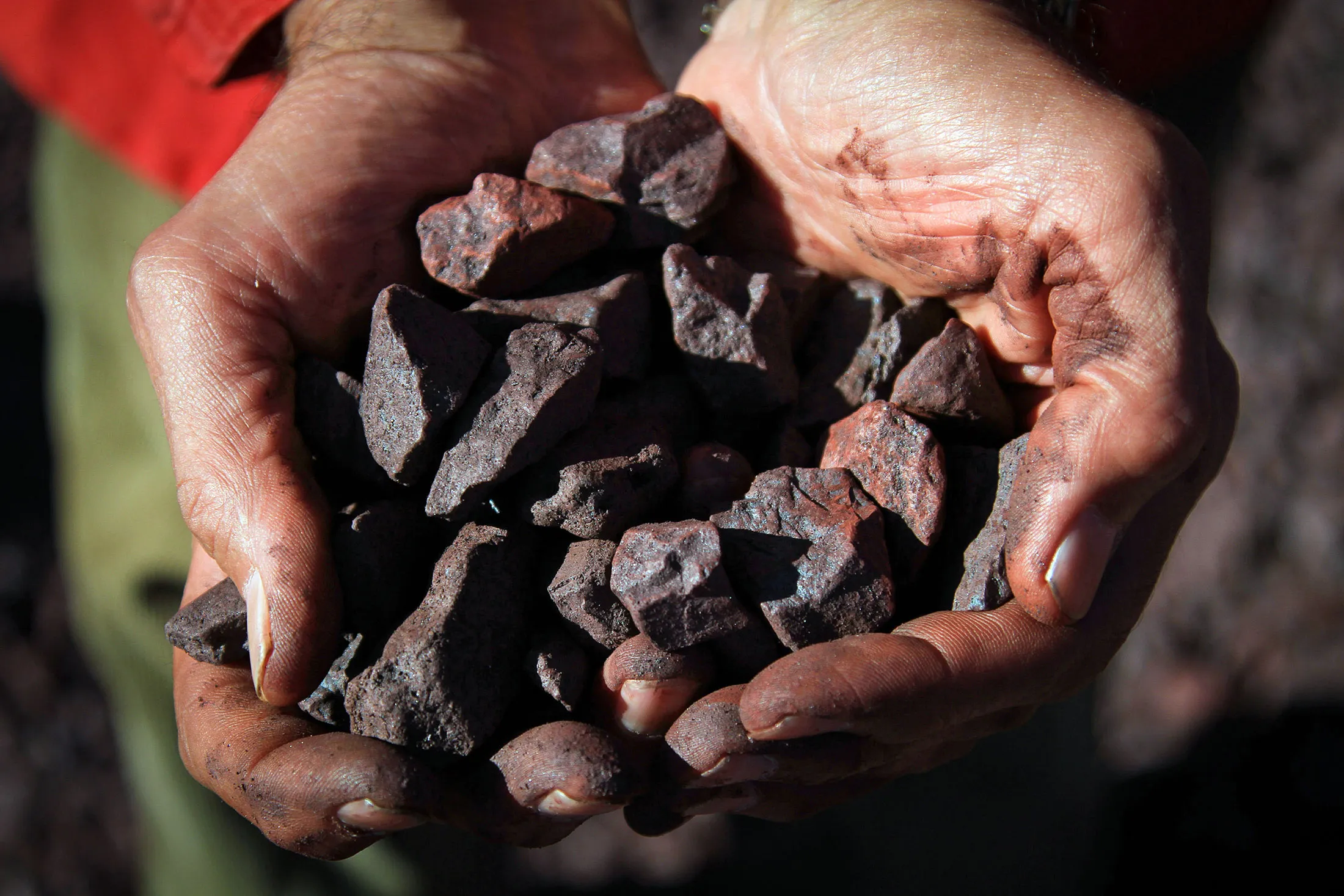
Price fluctuations in Iron ore markets have become a significant concern for manufacturers, traders, and procurement teams worldwide. As one of the most essential raw materials in industrial production, Iron ore faces constant pressure from global demand shifts, logistics challenges, and geopolitical changes. These factors make price stability difficult to predict, increasing the financial risk for buyers. Understanding the causes of volatility and applying strategic protection methods can help businesses maintain consistent operations and avoid unnecessary cost exposure.
Understanding the Sources of Iron ore Price Volatility
Market volatility does not happen randomly. The Iron ore market responds to a range of external and internal influences. By identifying these factors, buyers can anticipate shifts and adjust their purchasing strategy before prices rise unexpectedly.
Global Demand and Industrial Output
The strongest driver of Iron ore price movement is demand from steel manufacturers. When construction and manufacturing activity increases, demand for Iron ore rises, pushing prices upward. When industrial output slows, prices often decline, creating opportunities for buyers.
Supply Disruptions in Major Mining Regions
Weather events, operational challenges, or regulatory issues in major mining countries can reduce supply, causing sudden price spikes. Because Iron ore supply is less flexible than demand, even minor disruptions can significantly impact the market.
Logistics and Freight Rate Fluctuations
Shipping costs, vessel availability, and port congestion all influence final pricing. When freight rates increase, the landed cost of Iron ore rises. Monitoring global logistics trends helps buyers better understand these cost movements.
How Price Volatility Affects Buyers
For industries that rely heavily on Iron ore, price instability creates operational and financial challenges. To remain competitive, buyers must be aware of how volatility impacts their supply chain.
Budgeting and Cost Management Challenges
Unpredictable Iron ore prices make it difficult for procurement teams to plan budgets accurately. Unexpected cost increases can affect profitability and disrupt internal planning.
Risk of Supply Shortages
Volatile market conditions may lead some suppliers to limit shipments or adjust contract terms. This puts buyers at risk of delayed deliveries or reduced availability of Iron ore, affecting production schedules.
Pressure on Long-Term Contracts
When prices shift drastically, existing contracts may become misaligned with market reality. Buyers must understand how contract structures impact cost exposure when Iron ore prices rise or fall.
Strategies to Protect Against Price Volatility
Although volatility cannot be eliminated, buyers can manage it strategically. A combination of smart sourcing, diversified suppliers, and data-driven planning helps businesses stabilize their Iron ore costs.
Locking in Long-Term Agreements
Long-term supply contracts protect buyers from sudden spikes by stabilizing prices over a fixed period. When negotiated correctly, these agreements ensure consistent Iron ore supply and predictable budgeting.
Diversifying Supplier Networks
Dependence on a single supplier increases vulnerability to price shocks. Establishing multiple sources from different regions improves access to Iron ore even during market disruptions and helps buyers secure better pricing.
Purchasing in Strategic Intervals
Instead of buying only when demand peaks, buyers should monitor market movements and schedule purchases when Iron ore prices show downward trends. This approach requires market intelligence and forward-looking planning.
Technology’s Role in Price Protection
Modern procurement tools are transforming how buyers manage Iron ore price risk. Digital platforms provide real-time data and predictive analytics that enhance decision-making.
AI-Based Market Forecasting
Predictive models analyze global trends, production levels, and historical data to forecast Iron ore prices. These tools help procurement teams plan purchase timing more accurately.
Real-Time Data and Automated Alerts
Buyers can use automated tracking systems to receive instant updates on Iron ore market changes. This allows for faster response times and better risk mitigation during volatile periods.
Digital Contract Management
Digital procurement platforms simplify contract negotiation and ensure transparency. Buyers can track pricing terms, delivery schedules, and cost adjustments linked to Iron ore supply agreements.
Strengthening Logistics to Reduce Cost Impact
Price volatility is often worsened by inefficient logistics. By optimizing transportation strategies, buyers can reduce the delivered cost of Iron ore, even when global prices rise.
Selecting the Right Shipping Routes
Working with logistics partners to identify faster, more efficient routes can reduce transportation costs and minimize delays in Iron ore shipments.
Planning Inventory to Avoid Emergency Purchases
Emergency purchases often occur at peak prices. Maintaining strategic inventory reserves prevents buyers from paying inflated rates for Iron ore during market spikes.
Monitoring Freight Rate Trends
Understanding global shipping cycles helps buyers anticipate changes in landed cost. Partnering with freight specialists ensures greater control over the complete supply chain.
Building Strong Supplier Relationships
Collaborative relationships with suppliers strengthen price protection. Suppliers who trust their clients often offer better pricing terms and early insight into Iron ore market changes.
Transparent Communication
Open communication helps both parties prepare for potential disruptions. Suppliers can alert buyers to shifts in demand, production delays, or upcoming changes in Iron ore pricing.
Joint Planning and Volume Commitments
Suppliers may offer more stable pricing when buyers commit to consistent volumes. This mutual reliability benefits both sides and reduces exposure to price volatility.
Conclusion
Volatility in Iron ore pricing is an unavoidable reality, but buyers can take proactive steps to protect their operations. By understanding market drivers, adopting strategic procurement methods, leveraging technology, and strengthening supplier relationships, companies can maintain stability even in unpredictable conditions. With careful planning and smart decision-making, buyers can stay protected and ensure uninterrupted access to Iron ore in a rapidly changing global market.