Understanding Home Renovation: Definitions and Scope
What Is Home Renovation?
Home renovation refers to the comprehensive process of altering, improving, or updating residential spaces to enhance functionality, aesthetics, or value. This endeavor can encompass a wide array of changes—from simple cosmetic updates such as painting or new flooring to extensive structural modifications like adding a room or reconfiguring the entire layout of a house. The ultimate goal is to reshape the living environment to better meet the needs of the current occupants or to increase the property’s appeal in the real estate market.
The Benefits of Home Renovation
Engaging in home renovation offers various benefits. These include:
- Increased Property Value: One of the most compelling reasons for undertaking home renovations is the potential boost in property value. Smart renovations can yield a significant return on investment (ROI), particularly in high-demand neighborhoods.
- Enhanced Comfort: Renovations allow homeowners to tailor their living spaces to their lifestyle needs, resulting in improved comfort and functionality.
- Energy Efficiency: Modern upgrades often incorporate energy-efficient materials and systems, which can lead to lower utility bills and a reduced carbon footprint.
- Improved Safety: Renovation can also include critical updates related to safety, such as repairing old plumbing or electrical systems that may pose hazards.
Types of Home Renovation Projects
Home renovation projects can be broadly categorized into several types:
- Structural Renovations: These involve significant changes to the building’s structure, such as room additions, basement finishing, or removing load-bearing walls.
- Cosmetic Renovations: These alterations enhance the appearance of the home without structural changes, including painting, flooring updates, or minor landscaping decisions.
- Functional Renovations: This category focuses on improving the usability of spaces, such as remodeling a kitchen to enhance workflow or creating an open concept living area.
- Whole House Renovations: Comprehensive renovations that involve major adjustments throughout the home, often requiring extensive planning and budget considerations.
Planning Your Home Renovation: Key Steps
Setting a Realistic Budget for Home Renovation
Setting a realistic budget is a crucial component of planning your renovation. This budget should account for more than just materials and labor; it should also include contingency allowances for unexpected expenses that can arise during the renovation process. Common advice considers setting aside an additional 10-20% of your total budget for contingencies.
Choosing the Right Design and Aesthetic
Choosing an aesthetic for your home renovation involves considering your personal style as well as the architectural integrity of your home. It is essential to select designs that not only reflect current trends but also the timelessness that will ensure longevity. Visually cohesive designs contribute to a more harmonious living environment and can also increase the appeal of your home to potential buyers.
Creating a Timeline for Your Home Renovation
Developing a renovation timeline is vital for keeping the project on track. This should include every phase of the renovation, from conception to completion. Work with your contractor or renovations team to estimate how long each phase will take and build in buffer time for unexpected delays in schedules.
Common Challenges in Home Renovation and How to Overcome Them
Managing Unexpected Costs in Home Renovation
Unexpected costs can significantly derail a renovation budget if not managed properly. To mitigate this risk, hold regular meetings with contractors to review expenditures and address any discrepancies as they arise. Additionally, having a detailed plan can help identify potential cost increase areas before they become problematic.
Dealing with Delays During Home Renovation
Delays can happen due to various factors, including shipping issues or contractor scheduling conflicts. To deal with them effectively, maintain open lines of communication with all parties involved and develop a flexible project timeline that can accommodate unforeseen delays.
Ensuring Quality Work in Home Renovation Projects
Quality should never be compromised during renovations. It is advisable to research and hire reputable contractors with proven experience in their respective fields. Checking references and conducting thorough interviews will help ensure that the work meets quality standards.
Maximizing Value: Renovations That Pay Off
Top Home Renovation Projects for ROI
Certain renovation projects provide better returns on investment than others. According to various industry studies, the top projects include:
- Kitchen Remodel: Upgrading countertops, cabinets, and appliances are often cited as leading to significant ROI.
- Bathroom Remodel: Modernizing fixtures and finishes can attract a wide buyer base and enhance the home’s value.
- Energy-Efficient Upgrades: Implementing solar panels, energy-efficient windows, or HVAC systems can result in long-term savings and increase property value.
Energy-Efficient Upgrades in Home Renovation
Energy efficiency is more than just a buzzword; it can profoundly impact homeowners’ operating costs. Integrating energy-efficient solutions during renovations not only serves to lower utility bills but also resonates with eco-conscious buyers in the market. Some effective upgrades include improved insulation, Energy Star-rated appliances, and low-flow plumbing fixtures.
Trends to Consider in Home Renovation
Home renovation trends shift over time, impacting preferences in styles and materials. Current popular trends include:
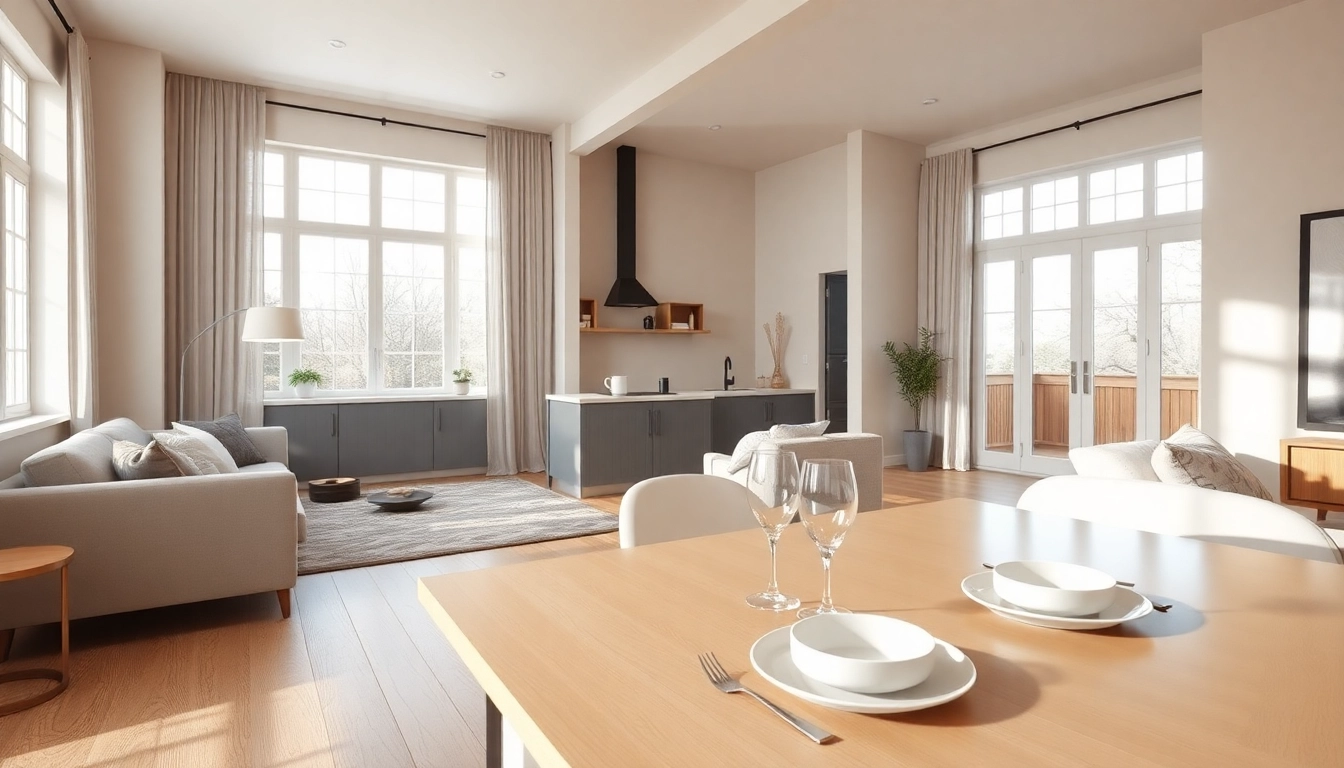
- Open-Concept Spaces: Homes designed for seamless transitions between living areas attract families and individuals looking for modern aesthetics.
- Smart Home Technology: Integrating smart home devices for security, lighting, and climate control is becoming increasingly sought after.
- Sustainable Materials: The use of reclaimed wood, bamboo, and other sustainable materials is gaining momentum, appealing to environmentally minded homeowners.
Post-Renovation: Maintaining Your Newly Renovated Home
Regular Maintenance Tips After Home Renovation
Once renovations are complete, the new spaces require regular upkeep to maintain their condition. Schedule routine inspections for critical systems like plumbing and electrical, and develop a cleaning routine that includes protecting new materials from wear and tear.
Seasonal Checks for Long-Lasting Renovation
Conducting seasonal checks can help identify potential issues before they escalate into costly repairs. Inspecting areas such as roofing and gutters after heavy weather can prevent long-term damage from water infiltration, preserving the integrity of your renovations.
How to Personalize Your Home Post-Renovation
Finally, the essence of a home lies in the personal touches that make it truly yours. After substantial renovations, consider incorporating personalized decor, artwork, and furnishings that reflect your unique style. This personal investment can enhance your enjoyment and pride in your living space.
In summary, the journey of Home renovation encompasses a multifaceted approach that requires careful planning, execution, and maintenance. By embracing best practices and remaining informed on trends and challenges, homeowners can create spaces that not only fulfill their immediate needs but also offer lasting value.