Understanding the Angled Makeup Brush
What is an Angled Makeup Brush?
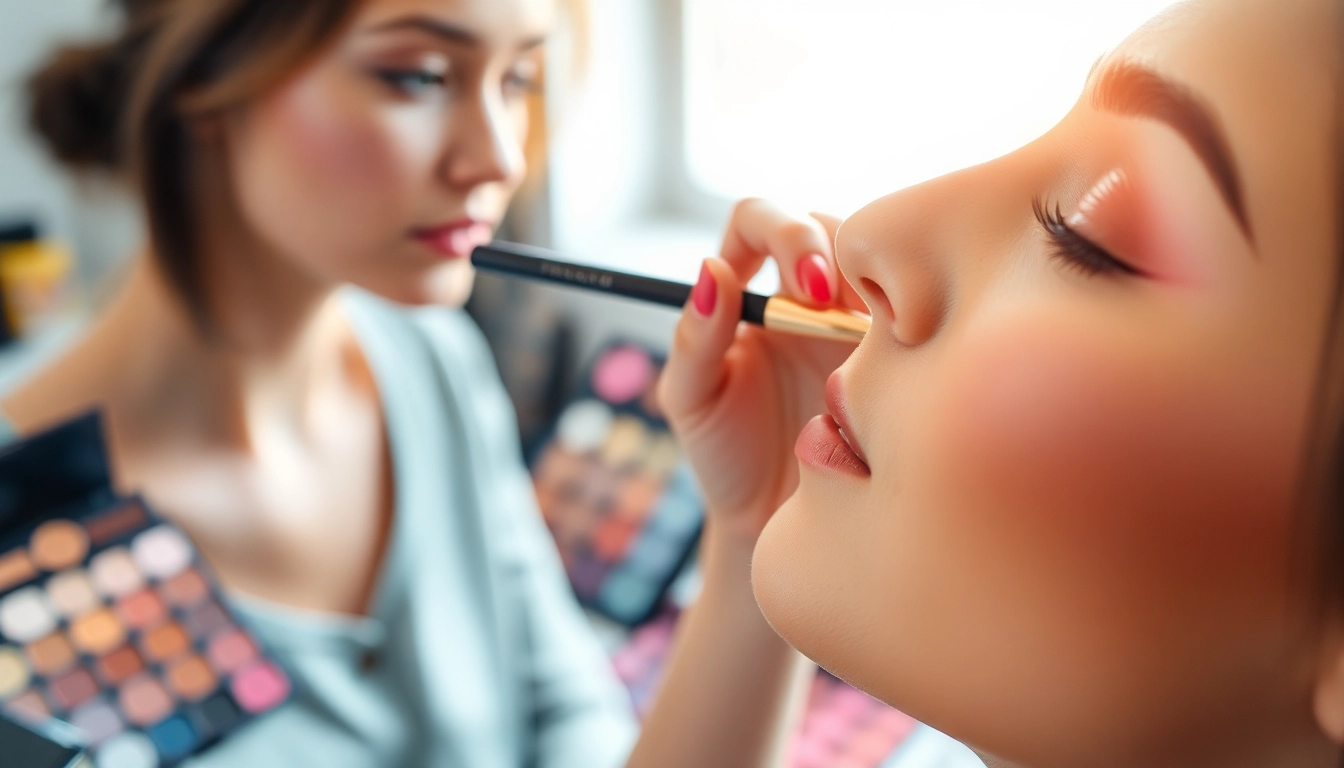
An angled makeup brush is a tool designed specifically for precision application, featuring a slanted or angled bristle shape. This design allows for easier contouring, blending, and defining various features of the face. If you're seeking to achieve a flawless finish in your makeup routine, understanding the use of an angled makeup brush can help elevate your skills significantly.
Benefits of Using an Angled Makeup Brush
The benefits of incorporating an angled makeup brush into your routine are numerous. Firstly, the angle allows for greater control and precision, which is particularly advantageous for applying bronzer, blush, and highlighter. Secondly, this type of brush makes it easier to reach the contours of your face, ensuring an even and natural blend. Moreover, the versatility of angled brushes means they can be used for various makeup products, from creams and liquids to powders.
Common Mistakes to Avoid
When using an angled makeup brush, many beginners make mistakes that can compromise their look. Common pitfalls include:
- Overloading the Brush: Applying too much product can result in a cakey appearance.
- Poor Technique: Using sweeping motions instead of stippling can lead to uneven application.
- Neglecting Cleaning: Failing to clean the brush regularly causes buildup and can lead to breakouts or skin irritation.
Choosing the Right Angled Makeup Brush
Features to Look For
When selecting an angled makeup brush, consider the bristle density, handle length, and softness. A denser brush is ideal for cream products, while a softer brush works better with powders. Look for brushes that are ergonomically designed to provide comfortable grip during application, enhancing your overall experience.
Different Sizes and Shapes
Angled makeup brushes come in various sizes and shapes, catering to different application needs. Smaller brushes are great for detailing, such as precise contouring or eyeliner application, while larger brushes can be utilized for broader areas, like blush or bronzer. Understanding the purpose of each size will empower you to make informed choices for your beauty routine.
Material Types Explained
Brushes can be made from natural or synthetic materials, and each has unique advantages. Natural hair brushes, often made from goat or squirrel hair, are preferred for powder products due to their ability to pick up and distribute pigment smoothly. In contrast, synthetic brushes, made from nylon or polyester, are excellent for cream and liquid products, as they do not absorb product in the same way. Consider your personal preferences and product types when selecting the material of your angled makeup brush.
Techniques for Using an Angled Makeup Brush
Basic Application Techniques
For beginners, mastering basic application techniques with an angled makeup brush is crucial. Start with a light hand; gently tap the brush into your chosen product and carefully apply it to your face. Use short, feathery strokes for blush and bronzer for a seamless blend. This technique helps to build up the color gradually, resulting in a more natural look.
Advanced Techniques for Contouring
Once you're comfortable with basic techniques, try advanced methods like contouring. Use the angled brush to apply contour products along the hollows of your cheeks, jawline, and temples. Following the natural structure of your face, blend using circular motions. This approach creates depth and dimension, enhancing your facial features while maintaining a soft appearance.
Creating Defined Looks
An angled makeup brush is perfect for creating defined looks, such as cat eyes or sharp contouring. To achieve a cat-eye look, vertically position the angled brush and follow the natural line of your lower lash line. For a sharper contour, apply the product in the hollows of the cheeks and then blend upwards, focusing on the edges for a more chiseled look.
Maintaining Your Angled Makeup Brush
Cleaning Techniques for Longevity
Cleaning your angled makeup brush is essential for maintaining its quality and extending its lifespan. Use a gentle brush cleanser or mild soap, swirling the bristles gently in lukewarm water. Rinse thoroughly until the water runs clear, reshape the bristles, and dry the brush flat to preserve its shape. Aim to clean your brushes at least once a week, especially if used daily.
Storage Tips to Preserve Quality
Proper storage of your angled makeup brush can prevent damage and maintain its integrity. Store brushes upright in a holder to keep them safe from bending and fraying. Alternatively, use a brush roll or pouch while traveling to protect the bristles. Avoid leaving brushes exposed to direct sunlight, which can degrade the bristles and handle over time.
Signs It's Time to Replace
Even with proper care, there comes a time when your angled makeup brush needs replacement. Signs that it’s time to retire your brush include frayed or broken bristles, losing shape after washing, and a persistent odor or residue despite cleaning. Generally, replacing your brushes every 6-12 months ensures optimal performance and hygiene.
Frequently Asked Questions
How do I clean my angled makeup brush?
Use a gentle brush cleanser or mild soap, rinse well, and reshape the bristles before drying flat.
Can I use an angled makeup brush for different products?
Yes, angled brushes are versatile and can be used for cream, powder, and liquid products, ideal for various applications.
What techniques can I use to apply eyeliner?
Dip your angled brush in gel eyeliner and press it close to your lash line for a precise, defined look.
How often should I replace my angled makeup brush?
Replace your brush every 6-12 months, or sooner if the bristles become frayed or lose shape.
Are synthetic angled brushes as good as natural ones?
Yes, synthetic brushes are excellent for liquid products, while natural brushes are great for powders. Choose based on your needs.