Understanding Trailer Rental: A Comprehensive Overview
A trailer rental provides an effective solution for transporting cargo that is too large for a standard vehicle. Whether you're moving, hauling equipment, or undertaking a special project, renting a trailer is an accessible and convenient option. In this guide, we will explore everything you need to know about trailer rentals, from types of trailers to cost considerations and safety tips.
What is Trailer Rental?
Trailer rental involves renting a trailer temporarily to transport goods, equipment, or vehicles. This can be especially useful for those who don’t own a trailer but need one for specific tasks. The rental process typically includes selecting a type of trailer, completing paperwork, and the trailer being made available for your use. It's a cost-effective way to meet your transport needs without the long-term commitment of purchasing a trailer.
Types of Trailers Available for Rental
There are several types of trailers available for rental, each designed for different uses:
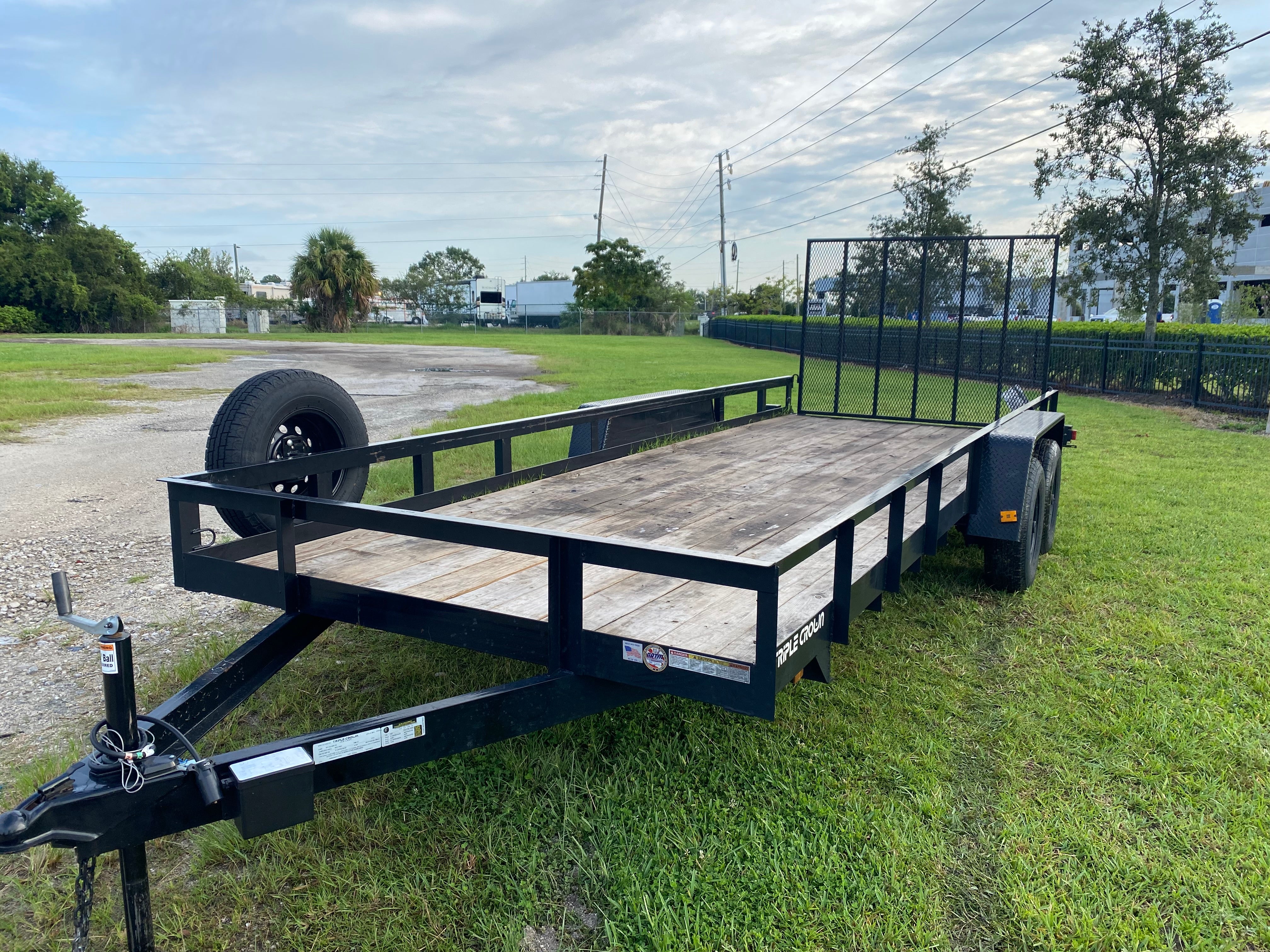
- Utility Trailers: Ideal for transporting tools, debris, or small vehicles. These trailers are easy to tow and can accommodate a variety of cargo.
- Enclosed Trailers: These offer protection from the elements, making them suitable for transporting valuables or sensitive items.
- Car Trailers: Designed specifically for transporting vehicles, these trailers can handle cars, trucks, or other vehicles efficiently.
- Dump Trailers: Used for hauling heavy materials like dirt or debris, these trailers have a hydraulic lift for easy unloading.
- Flatbed Trailers: Perfect for oversized loads, flatbed trailers have no walls, allowing for the easy loading of large or awkwardly shaped items.
Why Choose Trailer Rental?
Choosing a trailer rental can have numerous advantages:
- Cost-Effective: Renting a trailer can save you the expense of purchasing one, particularly for infrequent use.
- Variety of Options: Rentals provide access to different types and sizes of trailers, allowing you to select one that perfectly fits your needs.
- Maintenance-Free: Rental trailers are maintained by the rental company, saving you the time and cost of maintenance and repairs.
- Flexibility: You can rent trailers for various lengths of time based on your needs, whether it's a day, a week, or longer.
How to Choose the Right Trailer for Your Needs
Selecting the right trailer can be the difference between a smooth transport experience and one filled with challenges. Here are steps to help you make the best choice.
Assessing Your Cargo Capacity Requirements
The first step in choosing the right trailer is understanding what you'll be transporting. Evaluate the weight and dimensions of your cargo to determine the necessary capacity. Most rental companies provide guidelines on what each trailer can handle, so be sure to consult these specifications.
Choosing Between Utility, Enclosed, and Car Trailers
Depending on what you're transporting, you may choose between utility, enclosed, or car trailers. Utility trailers are versatile and can handle a wide range of items. Enclosed trailers provide security and weather protection, while car trailers are designed explicitly for vehicle transport. Be clear on your needs and make your selection accordingly.
Understanding Rental Terms and Conditions
Before finalizing your rental decision, read through the terms and conditions. Look for information on mileage limits, insurance coverage, and fuel policies. Understanding these details will prevent surprises when you return the trailer and ensure a smooth rental experience.
The Cost of Renting a Trailer: What to Expect
Understanding the cost associated with trailer rentals is essential for budgeting your project effectively. Rental prices can vary significantly based on the trailer size and type.
Average Rental Prices for Different Trailer Types
The average price of a trailer rental typically ranges from $50 to $100 per day. Utility trailers can be rented from approximately $30 per day, while larger trailers like enclosed options may start closer to $70. For long-term rentals, many companies offer weekly or monthly rates that can provide savings.
Hidden Costs to Watch Out For
When renting a trailer, be aware of potential hidden costs. These may include:
- Additional Fees: Charges for mileage overages, late returns, or cleaning fees.
- Insurance: Optional or required insurance can add to the rental cost.
- Fuel Charges: Make sure you understand the fuel policy and how to refuel before returning.
Comparing Rental Rates: Where to Find the Best Deals
To get the best deal on a trailer rental, compare rates from different rental companies. Websites can be a good starting point for price comparisons. Always keep an eye out for promotions or discounts that may be available for first-time renters or those renting for extended periods.
Preparing for Your Trailer Rental
Proper preparation will ensure that you have a smooth rental experience. Here are a few tips to consider.
Essential Gear and Equipment You May Need
Before picking up your trailer, gather any equipment that might be necessary. This may include:
- Towing Gear: Ensure your vehicle has the correct hitch and tow capacity.
- Safety Chains: Always use safety chains to secure the trailer to your vehicle in case of detachment.
- Loading Equipment: Tools like ramps, dollies, and tie-downs can facilitate safe loading and unloading.
Best Practices for Loading and Unloading
Loading and unloading a trailer requires careful attention to maintain balance and safety. Always load heavier items first, distributing weight evenly to avoid swaying. When unloading, proceed slowly and carefully to prevent injuries.
Ensuring Safety while Towing a Trailer
Safety should be a top priority when towing a trailer. Always check that your lights and signals are functioning before leaving. Additionally, practice driving with the trailer to get used to the extra length and make sure you allow more space for stopping.
Frequently Asked Questions About Trailer Rental
What is the average cost to rent a trailer per day?
The average cost for renting a trailer is around $70 per day, but it can vary from $30 for smaller utility trailers to $100 for larger models.
How do I choose the right size trailer for my needs?
Evaluate the weight and dimensions of your cargo, and select a trailer that meets or exceeds these requirements, considering both load capacity and space.
What types of payment are accepted for trailer rental?
Most rental companies accept credit and debit cards. Some may allow cash payments, but it's advisable to check with the specific rental service.
Can I make changes to my trailer rental reservation?
Generally, you can make changes to your reservation. Contact the rental company directly for their policies on modifications, cancellations, or extensions.
Are there insurance options included with my rental?
Insurance options vary by rental company. Some may automatically include basic coverage, while others may offer additional options for purchase.