What Are Automotive Fuses?
Definition and Purpose
Automotive fuses are crucial components in any vehicle's electrical system, designed to protect circuits from overloads and short circuits. When an electrical circuit carries a current that exceeds the rated capacity of the fuse, the fuse "blows," interrupting the circuit and preventing damage to the automotive electrical system. From the ignition system to entertainment and safety features, fuses ensure that every part of your vehicle operates smoothly and safely.
Types of Automotive Fuses
There are several types of automotive fuses, each serving different electrical needs:
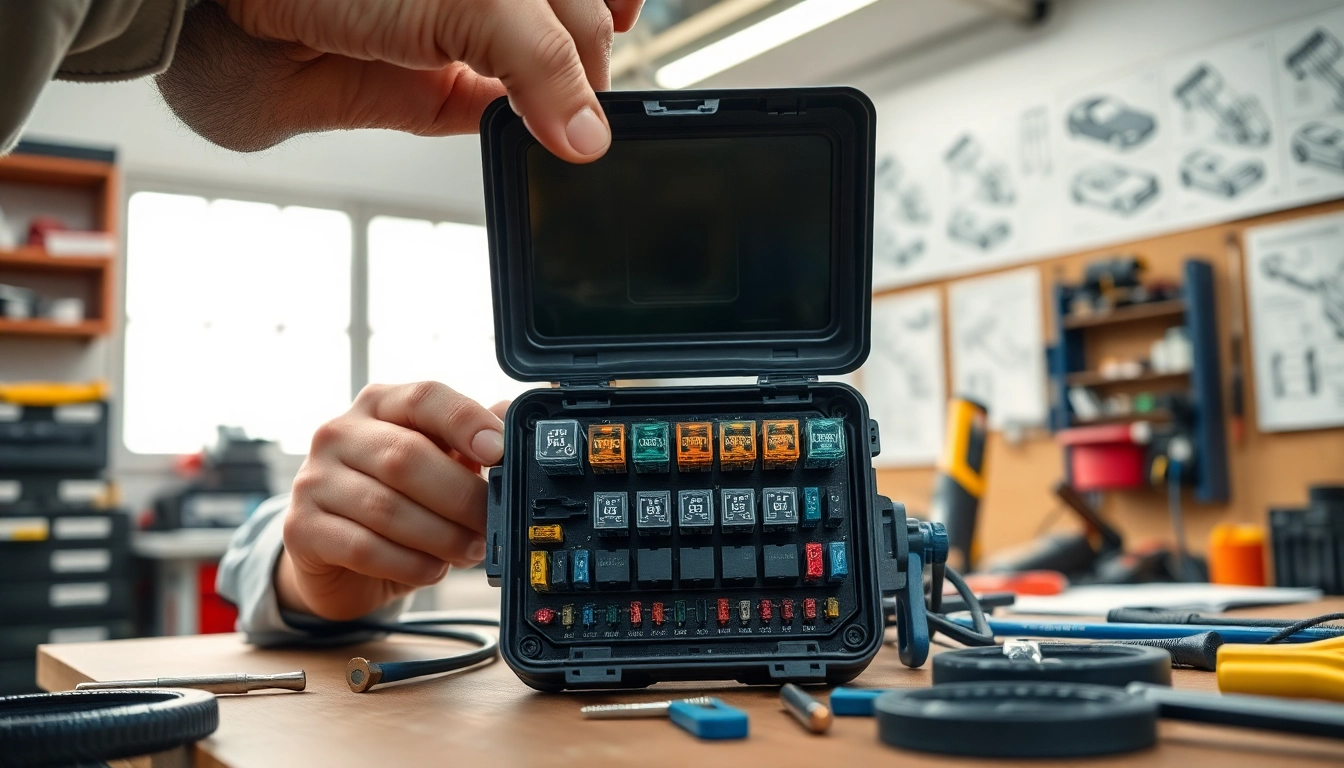
- Blade Fuses: Easily recognizable and widely used, blade fuses come in various amperage ratings and are common in modern vehicles.
- Glass Tube Fuses: These are older-style fuses typically found in classic cars. They consist of a glass tube with a metal strip inside that melts when an overload occurs.
- Mini Fuses: A smaller version of blade fuses, mini fuses are designed for compact applications, offering similar protection in tighter spaces.
- Maxi Fuses: Designed for high current applications, maxi fuses are larger and are usually found in automotive systems that require significant power, such as starter motors and alternators.
How Fuses Protect Your Vehicle
The primary role of automotive fuses is safeguarding the vehicle's components from electrical faults. They perform this function through a simple yet effective mechanism:
When too much current flows through a fuse, the metal filament inside the fuse is designed to heat up and melt, breaking the circuit. This protective measure prevents excessive current from flowing to parts of the electrical system, which could cause overheating, fires, or irreversible damage.
By using the appropriate fuse type and amperage rating, vehicle owners can ensure that their electrical systems remain safe and functional.
Common Issues with Automotive Fuses
Understanding Fuse Failures
Fuses can fail for various reasons, including:
- Overloading: This occurs when too many devices draw power from a single circuit, far exceeding the fuse's amperage rating.
- Short Circuits: A short circuit happens when a fault in the wiring causes a direct link between the power supply and ground, leading to surges in current flow.
- Age: Over time, fuses can become corroded or degraded, reducing their effectiveness and leading to premature failure.
Diagnosing Fuse-related Problems
Identifying fuse-related issues can often be accomplished through a few diagnostic techniques:
- Visual Inspection: Often, a visual check will reveal a blown fuse. If the metal strip inside is broken or burnt, it needs replacement.
- Multimeter Testing: A multimeter can measure the continuity of a fuse. If it shows no continuity, the fuse is blown.
- Check Circuit Components: If fuses blow frequently, it's crucial to inspect the connected electrical components for faults.
Top Signs of Failed Fuses
Being aware of potential signs of blown fuses can save you time and avoid further electrical issues:
- Inoperative lights (interior, dashboard, or exterior)
- Malfunctioning electronics (stereo, power windows)
- Your car won’t start up properly or displays electrical faults on the dashboard
How to Check and Replace Fuses
Tools Needed for Fuse Replacement
Doing a fuse check or replacement requires minimal tools:
- Fuse Puller: A small tool specifically designed to safely remove fuses.
- Multimeter: For testing fuses and electrical continuity.
- New Fuses: Make sure to have replacement fuses that match the required amperage ratings.
Step-by-Step Guide to Checking Fuses
Follow this guide to check and replace fuses:
- Locate the Fuse Box: Refer to your owner's manual for the exact location of your vehicle’s fuse box.
- Inspect Fuses Visually: Look for any broken or burnt fuses, specifically examining the metal strip within.
- Use Multimeter: For a more thorough check, use a multimeter to test for continuity on each fuse.
Safe Methods for Replacing Fuses
When it’s time to replace a blown fuse, ensure you take the following precautions:
- Always turn off the ignition and disconnect the battery to avoid shocks.
- Replace the blown fuse with another of the same amperage to avoid damage.
- After replacement, reconnect the battery and test the circuits to ensure they are functioning correctly.
Best Practices for Automotive Fuse Maintenance
Regular Inspections and Tests
Periodic checks of your vehicle’s fuses can prevent unexpected failures. It’s advisable to inspect the fuses at least twice a year, especially before embarking on long journeys.
Tips for Preventing Fuse Failures
To prolong the life of your automotive fuses, consider these tips:
- Avoid overloading circuits with too many devices.
- Ensure that your vehicle’s wiring is in good condition, looking for any signs of wear or damage.
- Always use the correct amperage fuses for your vehicle as recommended by the manufacturer.
When to Consult a Professional
If you find that your fuses keep blowing or that you lack the tools or understanding to troubleshoot further, it’s advisable to consult a professional. Constant fuse replacement may indicate a deeper electrical problem that requires expert diagnosis and repair.
Resources and Support at https://bezpieczniki24.pl
Detailed Wiring Diagrams and Guides
At https://bezpieczniki24.pl, you can access a comprehensive collection of wiring diagrams and guides that provide crucial information on different automotive fuse types and their locations. These resources simplify the process of understanding your vehicle’s electrical systems.
Customer Support and FAQs
The website offers support and answers to frequently asked questions, assisting users in troubleshooting fuse issues effectively. Resources are available to guide you through common concerns and solutions.
Community Learning and Sharing Experiences
Engaging with the community at https://bezpieczniki24.pl allows users to share their experiences, providing a wealth of knowledge from fellow vehicle owners. Users can learn from real-world examples of fuse-related issues and solutions, enhancing their automotive understanding.
Understanding automotive fuses is essential for every vehicle owner. Armed with the right knowledge and tools, you can ensure that your vehicle’s electrical system remains reliable and safe.