The Wonders of Ancient Egypt
Egypt, a land steeped in history and rich in culture, has captivated the minds and hearts of people for millennia. From its incredible architectural feats to the deep cultural roots that define its identity, there's much to explore. The significance of the ancient civilizations that thrived along the Nile River continues to resonate in the modern world, offering a treasure trove of inspiration and inquiry. For those intrigued by the mystique of this remarkable country, you can find a wealth of information at https://emegypt.net.
The Pyramids: Marvels of Engineering
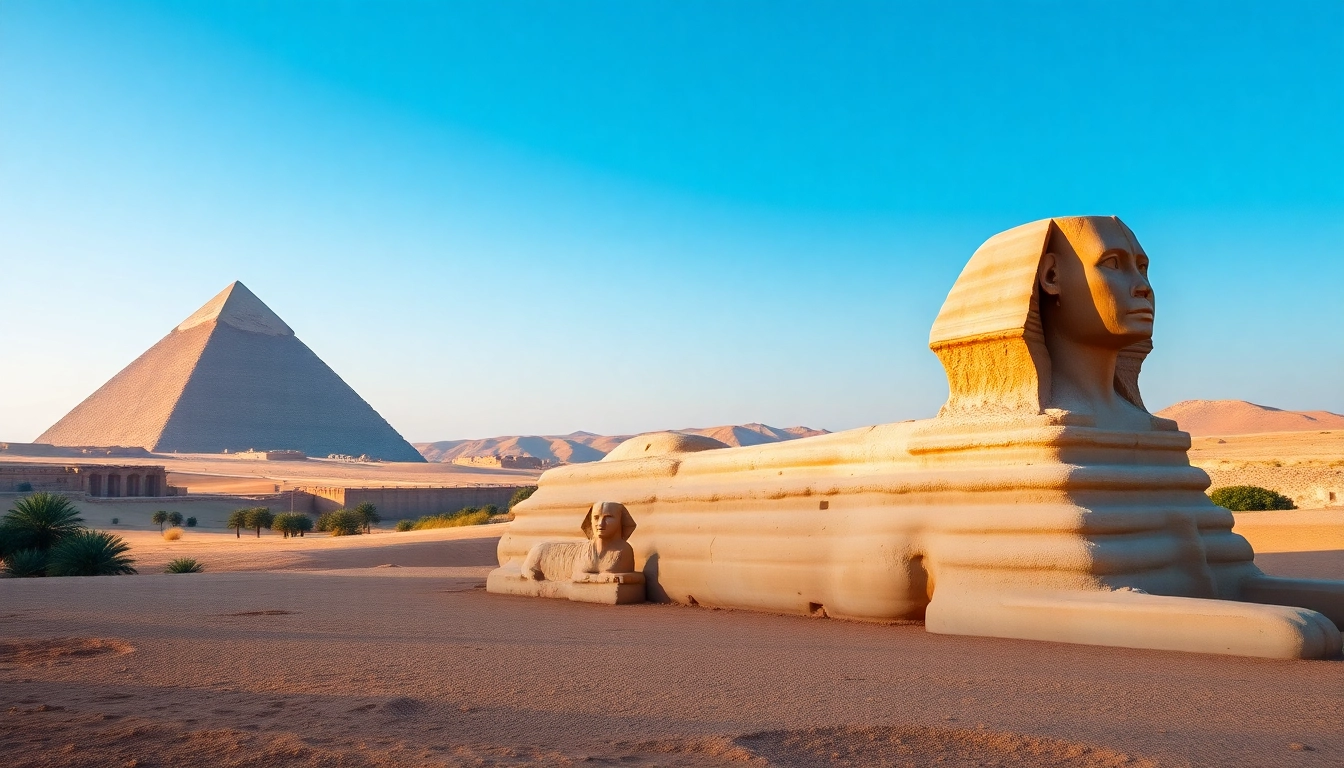
The Pyramids of Giza stand as a testament to the ingenuity of the ancient Egyptians. The Great Pyramid, built for Pharaoh Khufu, is one of the Seven Wonders of the Ancient World and remains the only one still largely intact. Constructed around 2570 BCE, it originally stood at 146.6 meters (481 feet) and was made of limestone and granite, showcasing an extraordinary understanding of mathematics and engineering.
The construction techniques employed in the pyramids continue to spark debate among historians. Some theories suggest the use of ramps, while others propose a more sophisticated organization of labor and resources. The precision with which these monumental structures were aligned with the cardinal points of the compass indicates a remarkable knowledge of astronomy, adding another layer of intrigue to their construction.
Cultural Significance of the Sphinx
Adjacent to the Pyramids lies the Great Sphinx, a limestone statue with a lion's body and a human head, thought to represent Pharaoh Khafre. The Sphinx serves both as a guardian of the Giza plateau and as a symbol of the ancient Egyptian identity. Its imposing presence raises questions about the society that built it, reflecting beliefs in the afterlife and the divine nature of their leaders.
The Sphinx's erosion raises concerns about its preservation, prompting multi-million dollar restoration efforts. It symbolizes not just a physical monument but also the continuity of legend and lore that surrounds the ancient civilization, providing insights into their philosophy of life and death.
An Overview of Pharaohs and their Legacy
The pharaohs of Egypt were not only political leaders but also religious icons who wielded immense power over their people. Each pharaoh's reign contributed to a complex tapestry of culture, art, and architecture. The concept of Ma'at—truth, balance, and cosmic order—was central to their rule, underlining the belief that a pharaoh's duty was to maintain harmony within the kingdom and with the gods.
From the unification of Upper and Lower Egypt under King Narmer to the iconic rule of Ramses II, the legacies of these leaders are manifested in incredible structures, breathtaking art, and intricate hieroglyphics. The reverence for pharaohs transcends time, offering modern generations profound insights into governance, ethics, and the nature of leadership.
Modern Egypt: A Dynamic Society
Economic Structure and Development
Egypt’s modern economy is characterized by a mix of agriculture, industry, and services, with each sector playing a pivotal role in national development. Agriculture remains fundamental, with the Nile’s rich waters supporting the cultivation of crops like cotton, wheat, and rice. However, the economy has diversifying rapidly, with a growing focus on tourism, gas, and renewable energy sources.
Government initiatives aimed at economic reform and investment in infrastructure are crucial for Egypt’s ambitions of economic resilience and growth. The country boasts a youthful population eager to engage with technology and innovation, presenting a dynamic workforce ready to meet the challenges of a global market.
Traditional Vs. Modern Egyptian Culture
Modern Egypt represents a fascinating collision of ancient traditions with contemporary influences. Traditional customs still thrive alongside modern practices, particularly in music, food, and art. Folkloric dance and music find their place in the cosmopolitan environment of Cairo, reflecting the rich heritage of the nation.
Cairo, the vibrant capital, is a case study in urban evolution where modern skyscrapers coexist with historical landmarks. This juxtaposition creates a culturally rich environment, fueling a kaleidoscope of lifestyle choices and perspectives among Egyptians, particularly the youth who are increasingly navigating between tradition and modernity.
Education and Youth in Egypt
The youth of Egypt constitute a significant demographic, with a government increasingly investing in education reform to equip them for future challenges. The push for quality education is complemented by rising opportunities in technology, engineering, and the arts, enabling young Egyptians to pursue a wide range of careers.
Challenges remain, as the educational system grapples with issues related to access, quality, and relevance in the job market. However, organizations and NGOs are working to bridge gaps, promoting vocational training and entrepreneurship to empower the next generation.
Traveling to Egypt: What You Need to Know
Essential Travel Tips for Tourists
Traveling to Egypt can be an exhilarating experience, but proper preparation is key to making the most out of your journey. Before embarking, ensure all travel documents are in order, including visa requirements tailored to your nationality. Safety is an important consideration, so staying updated on local advisories is recommended.
Local customs and laws should also be respected; understanding social norms can lead to a more enriching experience. Learning basic Arabic phrases can enhance interactions with locals and demonstrate respect for their culture.
Must-Visit Historic Sites Around Egypt
No trip to Egypt is complete without visiting its iconic historic sites. The temples of Karnak and Luxor, located in Thebes, reveal the grandeur of ancient Egyptian architecture and religious practices. Additionally, the Valley of the Kings, where many pharaohs were buried, offers a fascinating glimpse into the afterlife beliefs that governed their culture.
For those seeking adventure, the less-traveled paths of Siwa Oasis beckon with their stunning landscapes and unique Berber culture, while the Red Sea resorts offer breathtaking marine experiences. Each destination serves as a doorway to understanding Egypt's multifaceted history.
Local Cuisine: A Culinary Journey
Egyptian cuisine is a flavorful blend of spices, textures, and traditions. Dishes like koshari, a hearty mix of lentils, rice, and pasta topped with spicy tomato sauce, showcase the country's culinary diversity. Street food offers a unique culinary adventure; vendors serve everything from freshly prepared falafel to sweet pastries like basbousa.
Dining in Egypt is also an opportunity to engage with local culture; meals are often communal, emphasizing togetherness and hospitality. For the adventurous, exploring local markets like Khan el-Khalili can introduce you to both the ingredients and the people behind this rich culinary tradition.
Egypt’s Natural Wonders
The Nile River: Lifeblood of a Nation
The Nile River, often referred to as the lifeblood of Egypt, has sustained its people for thousands of years. Its banks support lush agriculture amidst the arid landscape, and its waters are central to both daily life and historical commerce. Cruises along the Nile offer a unique perspective on the country’s rich history as they glide past ancient monuments and picturesque villages.
Efforts to conserve the Nile's ecosystems are crucial as modern challenges such as pollution and climate change threaten water quality and availability. Understanding and protecting this crucial resource is integral to sustaining Egypt's future.
Deserts and Oases: Unique Landscapes
Beyond its historical sites, Egypt's deserts and oases present breathtaking landscapes and ecological diversity. The Western Desert, with its vast expanse of sand dunes, contrasts sharply with the verdant oases like Siwa and Bahariya. These oases not only provide habitat for unique wildlife but also are sanctuaries of culture and history, preserving the narratives of the Berber communities.
Ecotourism in these regions is taking root, emphasizing sustainability and community engagement while allowing visitors to experience unparalleled natural beauty and tranquility.
Wildlife Conservation Efforts in Egypt
The protection of Egypt's wildlife is gaining recognition as an essential part of national heritage and biodiversity. Protected areas like Ras Mohammed National Park are crucial for safeguarding habitats and promoting eco-friendly tourism. Initiatives by local NGOs focus on protecting endangered species and educating communities on sustainable practices.
Efforts to raise awareness among both locals and tourists about environmental conservation are vital to ensuring that future generations can appreciate the unique ecosystems that Egypt offers.
The Future of Egypt: Challenges and Opportunities
Political Landscape and Social Change
The political landscape in Egypt is fluid, constantly evolving, and reflective of the aspirations of its people. Movements advocating for social reforms and greater democratic freedoms have emerged in response to economic challenges, raising important dialogues concerning governance and civil rights.
As Egypt navigates these complexities, fostering a dialogue that includes diverse voices is essential for creating inclusive policies that resonate across society.
Tourism Growth Potential
Tourism continues to be a driving force for Egypt's economy, contributing to job creation and infrastructural growth. The government is actively promoting lesser-known sites to ease the tourist pressure on iconic locations while encouraging deeper exploration of the country’s historical treasures. This diversification presents both opportunities and the challenge of marketing Egypt's vast offerings effectively.
Integrating technology into tourism experiences can enhance visitor engagement, making Egypt a must-visit destination in an increasingly competitive global travel landscape.
Global Partnerships and Collaborations
Egypt’s future will be significantly shaped by its ability to forge and strengthen global partnerships. Collaborations focusing on technology, innovation, and sustainable development are key to addressing the pressing challenges of the 21st century. Engaging in dialogues with international organizations can enhance Egypt's profile on the global stage, providing opportunities for investment and collaborative development programs.
As Egypt continues to position itself in the global arena, the commitment to fostering relationships built on shared values, economic development, and cultural exchange will remain vital.