Introduction to Precious Metals
Precious metals have captivated human interest for centuries, acting as symbols of wealth, power, and stability. These elements, prized for their rarity and unique properties, hold significant value in both economic and cultural contexts. In this comprehensive exploration of precious metals, we’ll delve into what they are, their importance in the global economy, the various types available, and more.
What Are Precious Metals?
Precious metals are rare metallic elements that possess high economic value due to their unique properties, scarcity, and widespread use in various industries. Unlike base metals, which are abundant and often less valuable, these metals are typically much rarer and have specific characteristics that make them desirable for investment and industrial applications. Common examples include gold, silver, platinum, and palladium, each exhibiting particular attributes that distinguish them in the marketplace.
The Importance of Precious Metals in Global Economy
The role of precious metals extends beyond mere investment vehicles; they serve as essential components in various industries, including electronics, automotive, and jewelry. Their value acts as a hedge against inflation and economic uncertainty, providing a reliable store of wealth. As central banks frequently hold these assets for monetary stability, precious metals contribute to international trade dynamics, influencing economic policies and market behaviors across the globe.
Types of Precious Metals
The landscape of precious metals is diverse, each type with its unique properties and market behaviors. Key precious metals include:
- Gold: Known for its yellow luster and rarity, gold has been a symbol of wealth and prosperity for millennia. It's mainly used in jewelry, electronics, and as an investment.
- Silver: Renowned for its high conductivity and reflectivity, silver is commonly utilized in electronics, photography, and jewelry.
- Platinum: This dense, malleable metal is rarer than gold and primarily used in catalytic converters, jewelry, and various industrial applications.
- Palladium: Often overshadowed by platinum and gold, palladium has seen rising demand in the automotive industry due to its use in catalytic converters.
Investing in Precious Metals
Why Invest in Precious Metals?
Investing in precious metals appeals to various types of investors seeking to diversify portfolios and mitigate risks. These metals not only retain intrinsic value but also tend to perform well during economic downturns, acting as a safe haven. Furthermore, they can protect against currency fluctuations and inflation. With trends in global economic uncertainty, the allure of precious metals continues to grow, making them attractive for long-term investors.
Different Investment Vehicles
Investors can access precious metals through various vehicles, including:
- Physical Bullion: Coins and bars made from gold, silver, platinum, or palladium allow investors to own the actual metal.
- Exchange-Traded Funds (ETFs): These funds track the price of precious metals, allowing investors to gain exposure without managing physical assets.
- Mining Stocks: Investing in shares of companies that mine precious metals can provide indirect exposure to their value.
- Mutual Funds: Funds focusing on precious metals can offer diversified exposure to various companies in the sector.
Best Practices for Investing
Before investing in precious metals, consider these best practices:
- Research Market Trends: Stay informed about price fluctuations and market trends to make informed decisions.
- Diversify Your Assets: Mix precious metals with other traditional investments to mitigate risk.
- Consult Financial Advisors: Seeking professional advice can help tailor a strategy that fits individual risk profiles and investment goals.
- Understand Fees: Whether dealing with physical assets or funds, be aware of the associated fees that can affect returns.
Pricing and Market Trends
How Are Prices Determined?
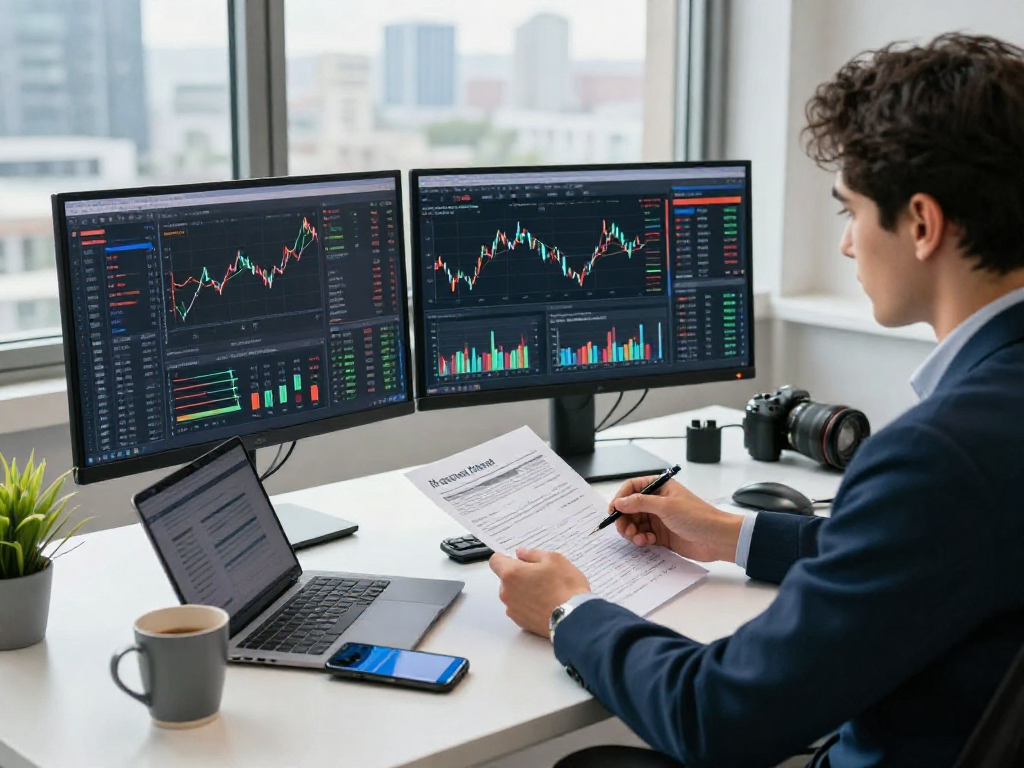
Prices of precious metals are determined by market supply and demand dynamics, geopolitical stability, and economic factors. Global events can cause significant fluctuations, influencing market sentiment and trading behaviors. Analysts often utilize tools like futures contracts to predict price movements and develop investment strategies.
Current Trends in Precious Metals Prices
The market for precious metals is characterized by volatility, with prices influenced by economic indicators such as interest rates, inflation data, and global crises. As investors look for stable investments amid economic uncertainty, demand for these metals can sharply rise, creating upward price pressure.
Factors Affecting Price Changes
Various factors can lead to fluctuations in precious metals prices, including:
- Global Economic Conditions: Economic downturns often drive investors to precious metals as safe havens.
- Inflation Rates: High inflation increases the appeal of precious metals as protective assets.
- Currency Strength: The value of the US dollar impacts how precious metals are priced, as metals are typically traded in dollar-denominated terms.
- Geopolitical Tensions: Political instability can cause fluctuations in prices as investors seek safety.
Uses of Precious Metals
Applications in Technology and Industry
Precious metals play critical roles in technology and industry thanks to their unique properties. For instance, gold's conductive capabilities make it invaluable in electronics, while silver's antibacterial properties make it suitable for use in medical applications.
Decorative and Artistic Uses
The decorative attributes of precious metals are unmatched, making them popular in art and design. Gold and silver are often used in creating intricate pieces of art, trophies, and decorative objects due to their malleability and aesthetic appeal.
Role in Jewelry and Luxury Goods
Jewelry is perhaps one of the most recognized applications of precious metals. The combination of beauty and rarity makes gold, silver, and platinum highly sought after for creating exquisite pieces. Beyond aesthetics, these metals provide value retention, making them popular investments.
Future of Precious Metals
Upcoming Technologies Impacting Use
Advancements in technology are set to reshape the application of precious metals. Innovations in battery technology and electronics are pushing demand for silver, while new methodologies in mining and recovery processes can enhance the availability of these valuable resources.
Market Predictions and Investments
Market predictions suggest continued interest in precious metals as both investment vehicles and industrial materials. As more sectors adopt green technologies, the demand for precious metals will likely grow, making it essential for investors to stay informed about market shifts.
Sustainability and Ethical Mining Practices
As awareness around sustainable practices increases, there is a push for ethical mining techniques within the precious metals industry. Investors are increasingly prioritizing companies that demonstrate responsible sourcing and environmentally friendly practices, impacting market dynamics and investment decisions.
FAQs
What are the top 10 most expensive metals?
Some of the most expensive metals include rhodium, platinum, gold, ruthenium, iridium, osmium, palladium, and rhenium, with rhodium often leading the list due to its rarity and industrial applications.
How do I start investing in precious metals?
Begin by researching different investment vehicles, including physical bullion, ETFs, and mining stocks. Establish a budget and consult financial advisors for personalized strategies.
Are precious metals a good investment?
Yes, they can be a good investment as they provide a hedge against inflation, diversify portfolios, and have intrinsic value that often rises during economic downturns.
What is the best precious metal to invest in?
The best choice depends on individual goals. Gold offers stability, silver has industrial uses, and platinum presents rarer opportunities. Analyze market trends and personal objectives.
How can I determine the value of my precious metals?
To determine value, check current market prices, assess quality (purity), and consider factors such as demand and condition. Consulting professional appraisers can also provide insights.