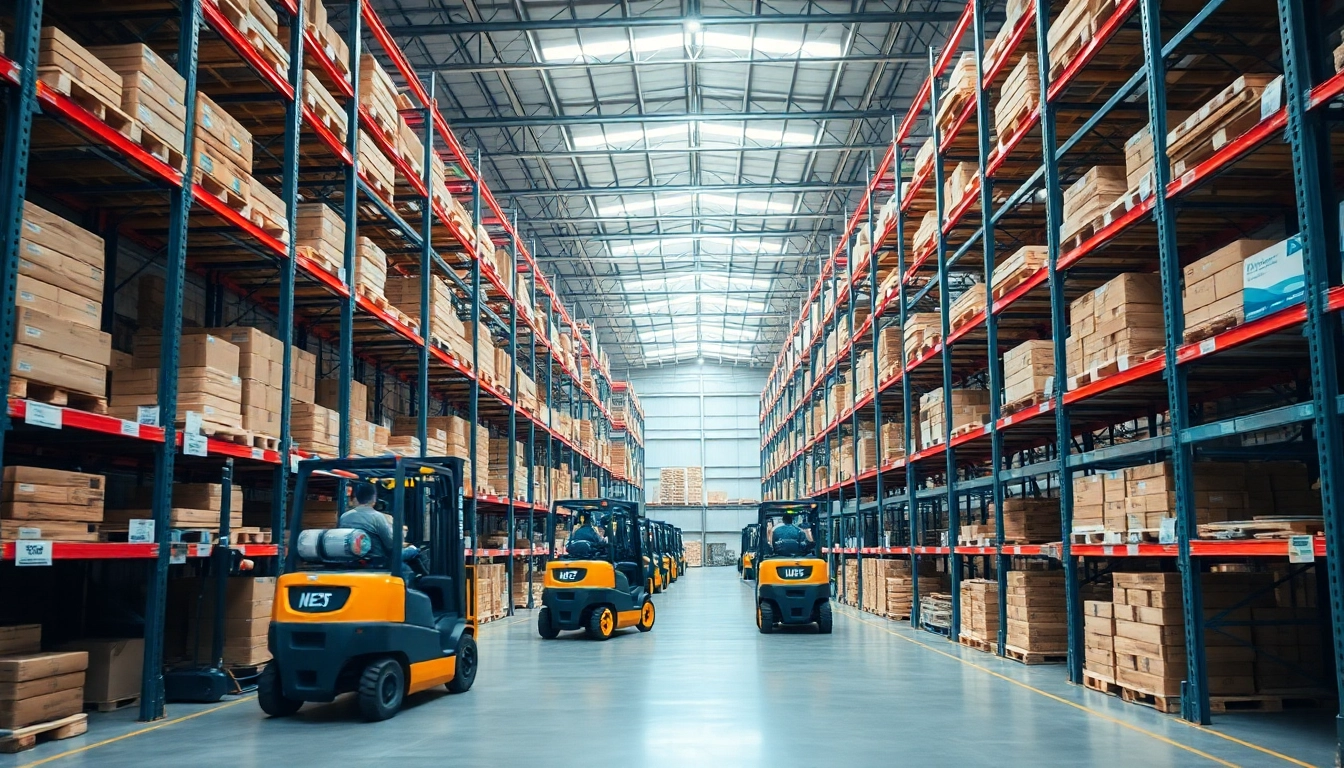
What is Warehousing?
Definition and Overview of Warehousing
Warehousing is a crucial component of modern supply chains, serving as a bridge between production and distribution. Essentially, it refers to the process of storing goods until they are needed for transport to retailers, distributors, or end consumers. The primary functions of warehousing include but are not limited to, the organization and management of inventory, ensuring that products are available to meet demand without unnecessary delays. Proper warehousing is integral to operational efficiency, as it helps businesses manage their inventory levels effectively and optimize distribution processes. With the rise of e-commerce, the role of warehousing has evolved to not only manage inventory but also to enhance delivery speed and customer satisfaction. Interested individuals can explore more about warehousing practices and policies to understand its impact on business operations.
Historical Context of Warehousing
The evolution of warehousing can be traced back to ancient civilizations, where storage facilities were essential for grain and agricultural produce. As commerce expanded, the need for structured warehousing grew, particularly in urban areas where goods from various regions converged. By the Industrial Revolution, warehouses transformed into more organized operations, adopting systematic methods for storing and retrieving goods. Today, technology plays a significant role in warehousing, affecting everything from layout design to inventory management systems. Understanding this history helps businesses appreciate current warehousing strategies and anticipate future developments in the field.
Types of Warehousing Operations
There are several types of warehousing operations that serve different needs within the supply chain. These include:
- Private Warehouses: Owned and operated by companies that require large storage spaces for their goods.
- Public Warehouses: Facilities available for rent to various businesses, ideal for smaller companies that do not require constant warehousing.
- Distribution Centers: Specialized facilities designed for moving large quantities of goods quickly and efficiently from suppliers to customers.
- Climate-Controlled Warehouses: Essential for storing perishable goods or sensitive materials, these facilities maintain specific temperature and humidity levels.
- Automated Warehouses: Use technology and robotics to streamline operations, improving efficiency and reducing labor costs.
Importance of Warehousing in the Supply Chain
Role in Inventory Management
The role of warehousing in inventory management cannot be overstated. Effective warehousing practices ensure that inventory is managed effectively, balancing the need to minimize costs with the need to meet customer demand. Businesses must maintain optimal inventory levels to avoid overstocking or stockouts, both of which can be costly. Warehousing allows companies to forecast demand accurately, reducing the risk of excess inventory while ensuring that essential products are always available. This balance is vital for sustaining operations and satisfying customers.
Impact on Delivery and Distribution
Warehousing significantly impacts delivery and distribution processes. When goods are stored in strategic locations, businesses can reduce transportation costs, improve delivery times, and enhance overall efficiency. Proximity to major transport hubs or essential markets can also lead to faster fulfillment rates, meeting consumer expectations for quick deliveries—a necessity in today’s competitive landscape. Additionally, consolidated shipments from warehouses can optimize the logistics of transporting goods, reducing the carbon footprint and environmental impact of delivery operations.
Benefits of Efficient Warehousing
Efficient warehousing offers numerous benefits to businesses, including:
- Cost Reduction: Streamlined processes minimize handling costs and reduce the need for excessive labor.
- Improved Customer Satisfaction: Faster order fulfillment and dependable delivery schedules lead to higher customer retention and loyalty.
- Flexibility and Scalability: Dynamic warehousing practices allow businesses to adapt to changing market conditions and scaling up operations as required.
- Enhanced Security: Proper warehousing facilities have advanced security systems to prevent theft and damage, safeguarding inventory.
Key Functions of Warehousing
Receiving and Storing Goods
The first critical function of warehousing is receiving goods and managing the storage process. This includes verifying incoming shipments against purchase orders, inspecting goods for damage, and recording inventory levels. Efficient storage systems, such as automated shelving and retrieval systems, can optimize space and facilitate easy access to goods. Proper organization ensures smooth operations and helps keep inventory records accurate, which is necessary for effective inventory management.
Order Fulfillment Processes
Order fulfillment is one of the most vital functions in warehousing. It involves picking and packing goods for delivery to customers. A streamlined order fulfillment process is essential for maintaining high customer satisfaction. Utilizing technologies such as barcoding and automated picking can enhance the speed and accuracy of fulfillment. Additionally, dedicated packing areas within warehouses help ensure that goods are properly prepared for shipments, reducing the risk of errors or damages during transit.
Shipping and Logistics Integration
Shipping is the final stage of warehousing that connects storage facilities to the broader supply chain. Effective logistics integration at this stage is paramount. Warehouses must coordinate with transportation networks to ensure timely and efficient deliveries. This includes managing schedules for pick-ups and drop-offs and optimizing load planning to maximize transportation efficiency. Real-time tracking systems can enhance visibility and allow for dynamic adjustments based on unforeseen delays or changes in demand.
Modern Technologies in Warehousing
Automation and Robotics in Warehousing
Automation and robotics have revolutionized warehousing, improving both efficiency and accuracy. Automated guided vehicles (AGVs) and robotic arms can handle repetitive tasks such as sorting and transporting goods. This not only accelerates fulfillment processes but also reduces labor costs and human error. Companies that implement these technologies often see a significant boost in their operational efficiency and can maintain a competitive edge in the market.
Warehouse Management Systems (WMS)
A Warehouse Management System (WMS) plays a critical role in optimizing warehousing operations. This software helps businesses manage inventory levels, track shipments, and facilitate order processing. Effective WMS allows for better visibility into stock levels and can automate routine tasks, freeing up employees to focus on more strategic initiatives. Real-time data analytics can also provide insights into operational performance, further enhancing efficiency.
Data Analytics for Operational Efficiency
Data-driven decision-making is becoming increasingly important in warehousing operations. Leveraging data analytics enables businesses to identify trends, measure performance metrics, and forecast demand accurately. By analyzing factors such as inventory turnover rates and order fulfillment times, companies can optimize their processes, reduce waste, and enhance customer service. Regularly reviewing and applying analytics can lead to continuous improvement and increased operational excellence.
Best Practices for Effective Warehousing
Space Optimization Strategies
Maximizing warehouse space is a critical aspect of efficient warehousing. Strategies such as vertical storage, dynamic slotting, and the use of modular shelving can help businesses utilize every inch of their facilities. Regular reviews of inventory layouts can also identify areas where adjustments can be made for greater efficiency. Implementing these practices not only improves storage but can also streamline operations, further enhancing productivity.
Health and Safety Standards
Maintaining health and safety standards in warehouses is not just a legal requirement but a crucial factor for operational efficiency. Regular training programs for staff, along with stringent safety protocols, can prevent accidents and promote a safer working environment. Additionally, warehouses should regularly conduct safety audits to identify potential hazards and implement corrective measures. A safe workplace enhances employee morale and contributes to overall productivity.
Performance Metrics in Warehousing
Measuring performance in warehousing is essential for identifying areas for improvement. Key performance indicators (KPIs) such as order accuracy rates, inventory turnover, and fulfillment cycle times can provide valuable insights into operational effectiveness. By tracking these metrics regularly, businesses can make informed decisions to optimize their warehousing strategies. Continuous evaluation and adjustment based on performance data are vital for maintaining excellence in warehousing operations.