Understanding the California Smog Check Process
What is a California Smog Check?
The California Smog Check is a mandatory inspection designed to measure the emissions of pollutants produced by motor vehicles. The program aims to ensure that vehicles meet state and federal air quality standards, thereby contributing to cleaner air. This check evaluates various components of a vehicle's emission system and provides insights into its environmental impact. A successful Smog Check not only helps in maintaining a vehicle’s performance but also plays a crucial role in safeguarding public health and the environment.
When is a Smog Check Required?
In California, a Smog Check is required for most vehicles every two years. Newer vehicles, typically those less than six years old, may be exempt from testing for their initial registration. Additionally, when vehicles change ownership, a Smog Check may be required. Certain vehicles are exempt based on factors such as age, type, and fuel system, but it's important for vehicle owners to stay informed about their specific requirements under the state regulations. For detailed information and to determine if your vehicle needs a Smog Check, you can refer to the California Smog Check website.
Key Components of a Smog Test
A complete Smog Check typically includes the following components:
- Emissions testing: This is the core part of the Smog Check and measures pollutants emitted from the exhaust system.
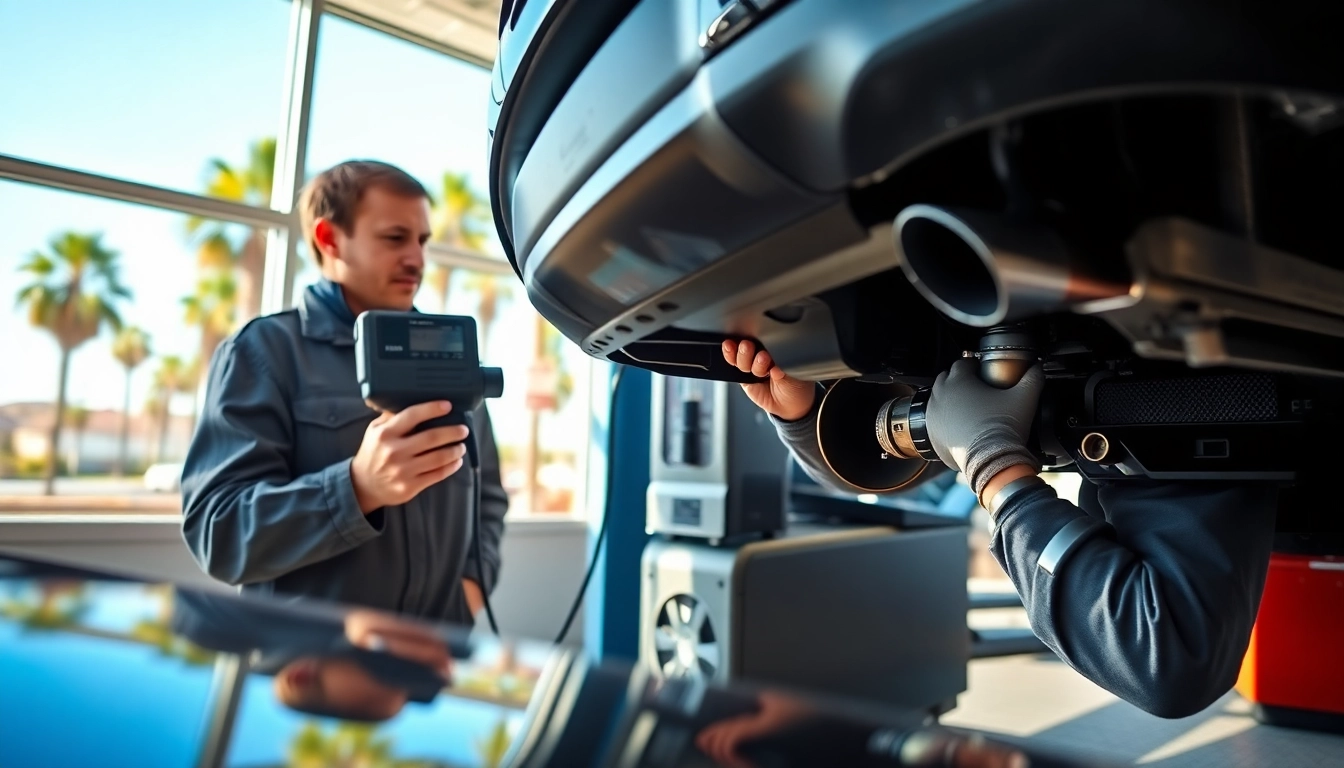
- Visual inspections: Technicians inspect critical components such as the catalytic converter, exhaust gas recirculation valve, and other engine components that affect emissions.
- Functional tests: These tests determine whether vehicle systems like the onboard diagnostics (OBD II) can detect emissions-related issues effectively.
The combination of these tests allows a technician to assess whether your vehicle complies with California's stringent emission standards.
Importance of the California Smog Check
Environmental Impact of Vehicle Emissions
Vehicles are a significant source of air pollution, contributing to smog, respiratory issues, and other health problems. The California Smog Check program aims at reducing these emissions, ultimately protecting the environment and public health. The deterioration of air quality affects not only individuals but also ecosystems and wildlife. By ensuring that vehicle emissions are kept in check, the Smog Check plays a vital role in combating climate change and contributing to cleaner air for Californians.
Benefits of Regular Smog Checks
Regular Smog Checks provide a multitude of benefits including:
- Prevention of costly repairs: Early detection of emission-related problems can help avoid more extensive and expensive repairs later on.
- Improved vehicle performance: Ensuring that your vehicle runs efficiently not only saves on fuel but also enhances overall performance.
- Compliance with state laws: Regular Smog Checks ensure that vehicle owners adhere to California's emission regulations, thus avoiding penalties.
- Contributing to public health: By participating in the Smog Check program, individuals contribute to reducing pollution-related health risks in their communities.
Legal Implications of Skipping a Smog Check
Neglecting to undergo a required Smog Check can lead to legal repercussions including fines, as well as being unable to renew vehicle registration. Additionally, vehicles that fail to meet emissions standards may be subject to additional restrictions, such as being barred from driving in certain areas. These legal implications highlight the importance of timely compliance with Smog Check requirements.
Preparing Your Vehicle for a California Smog Check
Essential Maintenance Before Testing
Proper maintenance is key to ensuring that your vehicle passes the Smog Check. Here are some essential maintenance tips:
- Regular oil changes: Old or contaminated oil can increase emissions, so change your oil as per your vehicle's maintenance schedule.
- Check the air filter: A clean air filter helps the engine perform more efficiently and reduces emissions.
- Inspect the exhaust system: Look for leaks or damages in the exhaust system that could cause increased emissions.
- Ensure proper tire pressure: Under-inflated tires can affect fuel efficiency and emissions, so maintain them at the recommended pressure.
Common Issues That Cause Failures
Some common issues that lead to Smog Check failures include:
- Faulty catalytic converters: Essential for controlling emissions, a malfunctioning catalytic converter can result in a significant emission increase.
- Check Engine light activation: If the Check Engine light is on, it could indicate underlying problems that need resolution before testing.
- Leaks in the fuel system: Fuel system leaks can increase vehicle emissions and lead to failure.
- Worn spark plugs: Old or inefficient spark plugs can cause incomplete combustion, leading to higher emissions.
How to Choose the Right Test Station
Choosing a reliable Smog Check test station is crucial to ensuring a fair and accurate inspection. Consider the following when selecting a station:
- Certifications: Look for stations certified by the California Bureau of Automotive Repair.
- Reviews: Online customer reviews can provide insights into the reliability and professionalism of the test station.
- Pricing: While cost should not be the sole factor, ensure the prices are competitive and transparent without hidden fees.
- Location: Choose a station that is conveniently located to make the process smoother and easier.
What Happens After a Smog Check?
Understanding Smog Check Results
After the inspection, the technician will provide a report detailing the results of the Smog Check. The results can fall into three categories:
- Pass: The vehicle complies with California's emission standards and receives a certificate to allow for vehicle registration.
- Fail: The vehicle does not meet emissions standards, and owners are typically provided with a list of necessary repairs.
- Waiver: In some cases, if extensive repairs exceed a certain amount, a waiver may be issued allowing the owner to register the vehicle despite the failure.
Next Steps if Your Vehicle Fails
If a vehicle fails the Smog Check, owners should take immediate action:
- Review the report: Carefully examine the failure report to understand the issues and recommended repairs.
- Get repairs done: Address the listed problems by taking the vehicle to a trusted mechanic experienced with emissions-related repairs.
- Re-test the vehicle: Once repairs are completed, schedule a new Smog Check to confirm compliance with emission standards.
How to Appeal a Smog Check Decision
In the event of an incorrect Smog Check result, vehicle owners have the right to appeal. The steps typically include:
- Gather evidence: Collect any relevant documentation that supports your case, including previous inspection records and repair receipts.
- Contact the station: Reach out to the test station to discuss the outcome and clarify any misunderstandings.
- Submit an appeal: If necessary, formally submit an appeal to the California Bureau of Automotive Repair, providing all evidence necessary for review.
Staying Informed About California Smog Check Regulations
Latest Changes in Smog Check Laws
Vehicle emissions regulations can change, so staying informed about the latest laws is crucial for compliance. Regularly check state resources or the California Bureau of Automotive Repair for updates on:
- Changes in exemptions for specific vehicle types or models.
- Adjustments in testing protocols or frequencies.
- New technologies being implemented in Smog Checks.
Resources for Vehicle Owners
Several resources can assist vehicle owners in understanding their obligations and preparing for Smog Checks. Some helpful resources include:
- The California Bureau of Automotive Repair's official website.
- Local environmental agencies that provide educational materials on reducing vehicle emissions.
- Automotive repair shops that are knowledgeable about Smog Check processes and regulations.
Community Initiatives Supporting Clean Air
Various community initiatives focus on promoting clean air and encouraging responsible vehicle ownership. Participation in programs such as:
- Local clean air workshops that educate residents about vehicle maintenance and emissions control.
- Environmental advocacy groups that lobby for stricter air quality regulations.
- Incentive programs that reward individuals for driving eco-friendly vehicles or upgrading to cleaner technologies.