
What Is Warehousing?
Definition and Overview of Warehousing
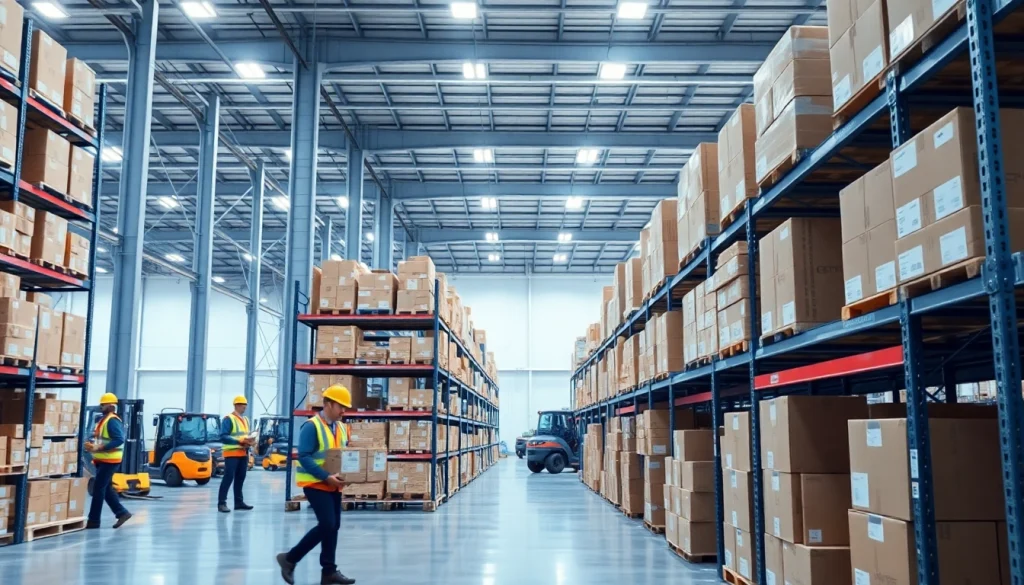
Warehousing refers to the process of storing goods in a dedicated facility until they are needed for distribution or sale. A warehouse is typically a large building designed to accommodate various types of products, ranging from raw materials to finished goods. The primary objective of warehousing is to ensure a smooth continuity within the supply chain, making it a crucial component in logistics and inventory management. Notably, warehousing not only facilitates the storage of goods but also helps streamline supply chain activities by consolidating products and organizing them for efficient retrieval.
Importance of Warehousing in Supply Chain Management
The role of warehousing in supply chain management cannot be understated. It serves as the vital link between production and consumption, enabling businesses to maintain adequate inventory levels while responding to fluctuating customer demand. Warehousing functions ensure that goods are stored in a manner that optimizes space and accessibility, ultimately reducing transportation costs and delivery times. Furthermore, effective warehousing contributes to overall customer satisfaction by ensuring that the right products are available when required.
Types of Warehousing Solutions Available
There are several types of warehousing solutions catering to diverse business needs, including:
- Public Warehousing: Operated as an independent business offering storage services to multiple clients on a short or long-term basis.
- Private Warehousing: Owned by a company for storing its own goods, providing better control over inventory management.
- Distribution Centers: Designed for the rapid storage and distribution of goods, often incorporating advanced technology for quick order processing.
- Cold Storage Warehousing: Specialized facilities for storing perishable goods at controlled temperatures to maintain their quality.
- Bonded Warehousing: Secure storage for imported goods that have not yet cleared customs, allowing businesses to defer duties and taxes until the products are released.
Key Functions of Warehousing
Receiving and Storing Goods Effectively
Efficient receiving and storing processes lay the foundation for effective warehousing operations. Upon arrival, goods must be inspected for quality and accuracy against accompanying documentation. This step is crucial for ensuring that inventory records are accurate and that any discrepancies are addressed promptly. Once verified, items are categorized and placed in designated storage locations, which should be designed for optimal accessibility.
Order Fulfillment Processes in Warehousing
Order fulfillment is a central function of warehousing, involving the picking, packing, and shipping of products to customers. An efficient order fulfillment process can significantly impact delivery speed and accuracy. Best practices include employing automated picking systems, utilizing real-time inventory management software, and ensuring effective communication among warehouse staff. Efficient order fulfillment not only boosts customer satisfaction but also reduces operating costs.
Inventory Management Best Practices
Effective inventory management is essential in warehousing as it ensures that the right quantity of products is available at the right time. Several best practices can enhance inventory management, including:
- Cycle Counting: Regularly reconciling inventory levels through systematic counts to identify and address discrepancies.
- First-In, First-Out (FIFO): Implementing FIFO ensures that older stock is sold before newer stock, minimizing the risk of obsolescence and spoilage.
- Utilizing Technology: Employing inventory management software that integrates seamlessly with the warehousing system to provide real-time data and analytics.
- Implementing Safety Stock: Maintaining a buffer stock of critical items helps prevent stockouts and ensures readiness for unexpected demand spikes.
Advantages of Efficient Warehousing
Cost-Reduction Strategies in Warehousing
Efficient warehousing can lead to significant cost reductions for businesses. Various strategies can be implemented to decrease operational costs, such as optimizing warehouse layout to enhance productivity and reduce labor costs. Additionally, employing automation can streamline labor-intensive tasks, thus decreasing the likelihood of errors and increasing throughput. Regularly reviewing supplier contracts and shipping options can also contribute to financial savings by identifying more cost-effective freight carriers.
Improved Delivery Times and Customer Satisfaction
Rapid delivery times have become a crucial factor in customer satisfaction. By optimizing warehousing operations, businesses can reduce handling times and ensure that products are shipped promptly. Techniques such as cross-docking, where products are directly transferred from inbound to outbound transportation without long-term storage, can significantly enhance delivery speed. Satisfied customers are more likely to become repeat clients, increasing overall sales.
Flexibility and Scalability of Warehousing Operations
Efficient warehousing systems provide businesses with the flexibility to adapt to changing market conditions. As demand fluctuates, businesses can scale their operations up or down without significant disruption. For example, businesses can leverage temporary warehousing solutions during peak seasons or special promotions, allowing for a more adaptable supply chain. This capability enhances resilience and responsiveness, key traits for long-term success.
Challenges in Modern Warehousing
Handling Seasonal Demand Fluctuations
Seasonal demand fluctuations present one of the most significant challenges for warehousing. Businesses must anticipate these changes and adjust inventory levels accordingly to avoid overstocking or stockouts. Employing robust demand forecasting models can help predict these fluctuations, allowing businesses to prepare their warehousing strategies in advance. Additionally, flexible warehousing solutions can be advantageous for managing peaks in demand.
Technology Integration in Warehousing
While technology integration offers immense potential for efficiency, it also poses challenges. Implementing new technology often requires significant investment and a change management strategy to ensure staff are adequately trained. Continuous evaluation of technology solutions is necessary to ensure they meet evolving needs. Businesses should engage in pilot tests before full implementation to better understand strengths and weaknesses.
Regulatory Compliance and Safety Standards
Compliance with regulations and safety standards is critical in warehousing. Companies must stay abreast of local, state, and federal guidelines that affect their operations. Regular safety audits and employee training programs can ensure compliance is maintained, reducing the risk of accidents and legal issues. Furthermore, establishing a culture of safety promotes employee well-being, lowering turnover rates and promoting job satisfaction.
The Future of Warehousing
Emerging Trends in Warehousing Technology
The future of warehousing is closely tied to the adoption of advanced technologies. Innovations such as artificial intelligence (AI) and the Internet of Things (IoT) are set to revolutionize warehousing by improving inventory accuracy and automating many manual processes. Robotics and automated guided vehicles (AGVs) are becoming increasingly prevalent in warehouses, facilitating rapid order fulfillment and enhancing operational efficiency.
Globalization and Its Impact on Warehousing Strategies
Globalization continues to influence warehousing strategies significantly. As businesses expand their operations internationally, they encounter complexities regarding multiple supply chains, diverse market demands, and varying regulatory environments. Companies must adopt agile warehousing solutions that can accommodate global logistics while maintaining local responsiveness. Partnering with global supply chain experts can help navigate these complexities effectively.
Sustainable Practices in Modern Warehousing
As pressure mounts for organizations to adopt sustainable practices, warehousing is increasingly focusing on eco-friendly solutions. Initiatives such as energy-efficient lighting, solar energy installations, and sustainable building materials are becoming essential aspects of warehouse operations. Implementing recycling programs and waste reduction strategies not only benefits the environment but can also lead to long-term cost savings.