
Mastering Agriculture Law: Essential Insights for Farmers and Producers
Understanding Agriculture Law Fundamentals
Definition of Agriculture Law and Its Scope
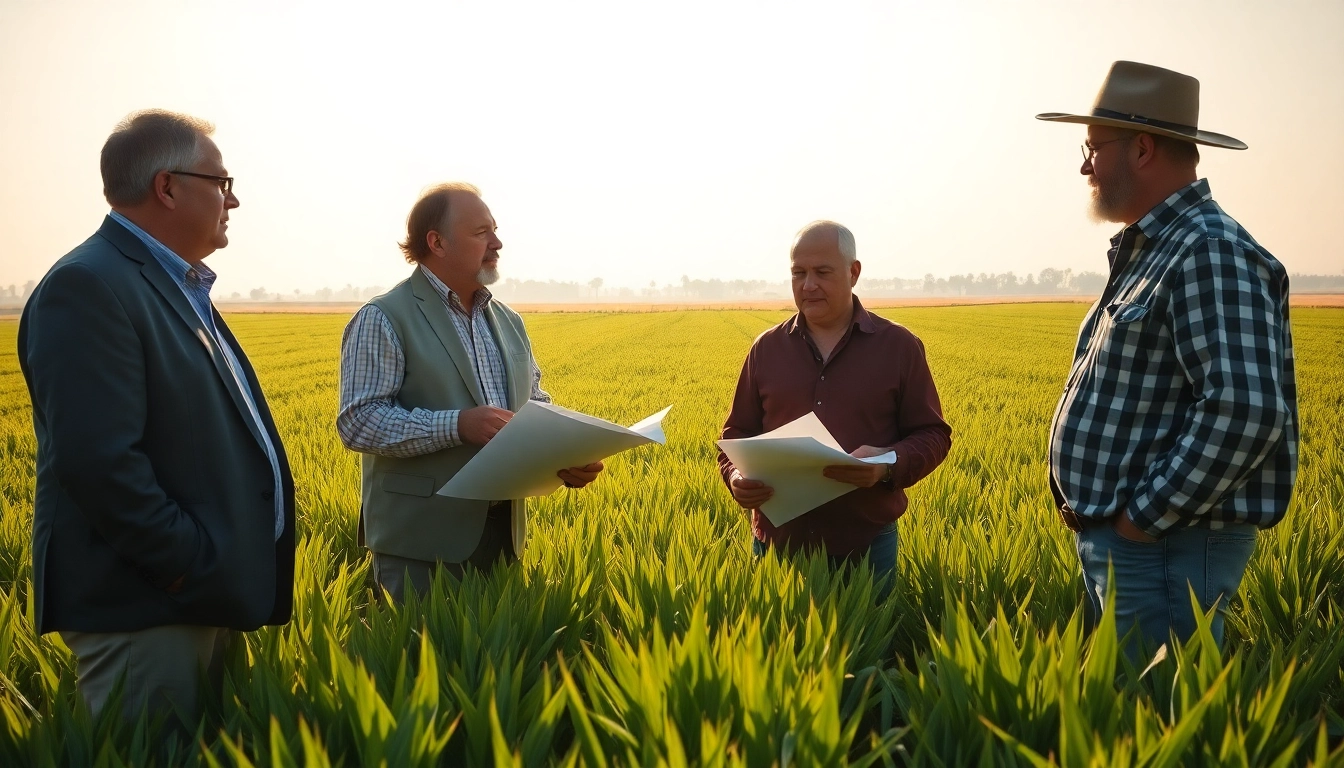
Agriculture law is a specialized area of law that encompasses a wide range of legal issues related to farming, land use, livestock production, and the agricultural industry. It governs everything from land ownership and usage rights to food safety regulations and agricultural trade. This legal framework aims to promote and protect the agricultural sector while ensuring compliance with local, state, and federal regulations. Given the critical role agriculture plays in the economy and food production, agriculture law is pivotal for both producers and consumers alike.
Key Regulations Affecting Agricultural Practices
The agriculture sector operates under numerous laws and regulations that can vary significantly from one jurisdiction to another. Key federal laws include the Agricultural Act, which governs the nature of farm subsidies, pricing controls, and production practices, and the Clean Water Act, which regulates discharges of pollutants into water sources, pivotal for environmental sustainability. Additionally, the Occupational Safety and Health Administration (OSHA) establishes workplace safety regulations that directly affect agricultural enterprises.
Importance of Compliance for Farmers
Compliance with agriculture law is crucial for the sustainability of farming operations. Non-compliance can lead to severe legal repercussions, including fines, litigation, and loss of license. Farmers must be aware of their rights and obligations under various regulations, including environmental, labor, and safety laws. For instance, understanding the USDA guidelines on pesticide use not only ensures public safety but also affects the marketability of produce. Moreover, failure to comply with regulations can also harm a farm’s reputation with consumers who are increasingly concerned about food safety and ethical production practices.
Common Legal Issues in Agriculture
Crop and Land Use Regulations
Crops and land use are heavily regulated due to their impact on the environment and food supply. Regulations may cover everything from crop rotation to soil conservation practices. Moreover, zoning laws dictate what types of crops can be planted in certain areas, especially near urban developments. Understanding these regulations is essential for farmers to avoid conflicts with local governments and to optimize their farming techniques within legal frameworks.
Water Rights and Environmental Considerations
Water rights are an integral part of agricultural law, as water is a vital resource for farming. Farmers must understand their rights to water sources, including rivers, lakes, and underground aquifers. In many regions, water rights are linked to landownership but come with strict regulations that dictate how water can be used and conserved. Environmental concerns, such as protecting habitats and water quality, are also paramount and can limit how farmers operate, necessitating a delicate balance between agricultural production and environmental conservation.
Labor Laws in the Agricultural Sector
Labor laws specifically tailored for agricultural workers define terms of employment, working conditions, and rights. These laws address issues such as minimum wage, overtime pay, and health and safety regulations. Furthermore, understanding the implications of the Fair Labor Standards Act (FLSA) and the Migrant and Seasonal Agricultural Worker Protection Act (MSPA) is critical for farmers employing seasonal labor. This knowledge ensures that they treat their workers fairly and comply with federal and state labor laws.
Navigating Contract Law in Agriculture
Types of Contracts in Agricultural Business
Contracts in agriculture can take many forms, including leases for land, sales contracts for crops, and agreements with suppliers for seeds and equipment. Each type of contract has distinct legal implications and operational considerations. For instance, farm management agreements can help clarify expectations between landowners and farmers regarding crop management and revenue sharing. Understanding the complexities of these contracts is vital to avoid disputes and ensure successful agricultural operations.
Negotiating Fair Terms for Produce Sales
Negotiating contracts for produce sales requires skill and knowledge of the market. Farmers must understand market prices, demand cycles, and the legal implications of price fluctuations. Fair contract terms not only safeguard farmers’ interests but also ensure long-term buyer relationships. Employing negotiation strategies such as defining clear terms of delivery, payment schedules, and quality standards can be crucial. It helps in building trust and maintaining positive rapport with buyers.
Dispute Resolution and Mediation Strategies
Disputes are common in agriculture, whether they arise from contractual disagreements, payment issues, or land use conflicts. Effective dispute resolution strategies such as mediation and arbitration can often provide quicker, less costly alternatives to litigation. Implementing clear terms in contracts regarding dispute resolution methods can save farmers time and resources. Additionally, consideration of local agricultural mediation programs can offer tailored solutions that adhere to broader community values.
The Role of Agricultural Law in Sustainable Practices
Environmental Regulations and Best Practices
As sustainability becomes increasingly crucial, agricultural law plays a significant role in guiding best practices for environmental stewardship. Regulations from the Environmental Protection Agency (EPA) dictate agricultural practices aimed at reducing pollution and conserving resources. Farmers that adopt sustainable practices like crop rotation, organic farming, and integrated pest management not only benefit the environment but often find themselves eligible for government programs that provide financial incentives for sustainable farming.
Support for Organic Farming and Resources
The demand for organic products has surged, leading to specific regulations governing organic farming. Farmers must adhere to USDA guidelines to label their products as organic, ensuring that they do not use synthetic fertilizers or pesticides. Additionally, various organizations offer resources and support for farmers transitioning to organic practices, including grants, training, and certification programs. Understanding the legal requirements and market dynamics of organic farming can enhance profitability and access to growing markets.
Government Programs and Financial Incentives
Numerous government programs exist to support farmers in adopting sustainable practices, including cost-share programs, grants, and loans specifically tailored for agricultural operations. These programs can significantly reduce the financial burden of implementing sustainable practices. Additionally, securing subsidies can help cover costs associated with compliance to environmental regulations. Farmers should actively seek out these opportunities and understand the application processes involved to leverage government support effectively.
Future Trends in Agriculture Law
Impact of Climate Change on Agricultural Regulations
Climate change is increasingly shaping agricultural law, as policymakers respond to the challenges it presents. New regulations may arise requiring farmers to adapt practices to mitigate climate impacts or embrace renewable energy sources. Understanding emerging legislation focused on emissions and carbon credits will be essential for farmers seeking to align their practices with governmental objectives. Additionally, farmers may face legal ramifications if they fail to comply with these evolving environmental standards.
Technology in Agriculture and Legal Implications
The incorporation of technology in agriculture—such as precision farming, drones, and genetic modification—presents unique legal challenges. Issues such as liability, intellectual property, and data privacy come into play. For instance, utilizing genetically modified seeds involves navigating patent rights and compliance with safety regulations. Farmers must remain informed about the legal implications of adopting new technologies to protect their investments and adhere to compliance standards.
Adaptation Strategies for Legal Professionals
Legal professionals specializing in agriculture must stay abreast of changes in regulations and emerging trends affecting the sector. This includes continuous education about sustainable practices, new technologies, and evolving marketplace dynamics. Building networks with industry stakeholders, attending workshops, and participating in agri-business forums can provide legal professionals with valuable insights. Additionally, proactive communication with clients about potential legal changes empowers them to adapt their strategies accordingly, enhancing compliance and success.