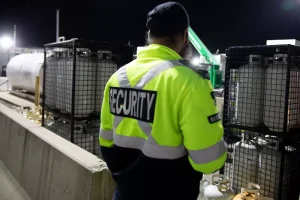
Integrating AI into Workplace Safety Communication Workflows

Workplace safety communication is a critical component of any organization’s operations. Ensuring that employees are aware of potential hazards, safety protocols, and emergency procedures requires effective systems that facilitate rapid and clear information sharing. In recent years, integrating AI into Workplace safety communication workflows has emerged as a transformative strategy, enhancing both efficiency and accuracy in safety management.
The Importance of Effective Workplace Safety Communication
Effective workplace safety communication is more than just distributing safety manuals or posting signs. It involves real-time information sharing, monitoring employee adherence to protocols, and predicting potential risks. Traditional methods, while foundational, often struggle with delays, miscommunication, and lack of personalization. Integrating AI into these workflows addresses these challenges by automating alerts, analyzing data trends, and providing actionable insights that enhance overall safety performance.
How AI Enhances Workplace Safety Communication
AI technologies, including natural language processing, machine learning, and predictive analytics, can significantly improve workplace safety communication. By integrating AI, organizations can automate routine notifications, provide real-time alerts about hazards, and monitor compliance with safety procedures. AI systems can also analyze large volumes of data to identify patterns that human supervisors might overlook, ensuring that communication is proactive rather than reactive.
Automated Alerts and Notifications
One of the most immediate benefits of AI in workplace safety communication is automated alerts. AI-powered systems can detect anomalies or dangerous conditions and immediately notify relevant personnel. Whether it is a chemical spill in a factory, a malfunctioning piece of machinery, or an unsafe environmental condition, AI ensures that workers receive timely updates. This capability strengthens workplace safety communication by reducing response times and minimizing the potential for accidents.
Predictive Analytics for Safety Risks
Predictive analytics is another area where AI enhances workplace safety communication workflows. By analyzing historical data on incidents, near misses, and environmental factors, AI can forecast potential risks before they occur. This foresight allows organizations to communicate preventive measures effectively, creating a proactive culture of safety. Workplace safety communication supported by predictive insights ensures that employees are aware of hazards even before they materialize, reducing injury rates and operational disruptions.
Personalized Safety Training and Messaging
AI can also tailor safety communications to individual employee needs. Personalized messaging ensures that workers receive relevant safety information based on their roles, experience, and exposure to specific hazards. Integrating AI into workplace safety communication workflows allows organizations to provide targeted training modules, reminders, and updates, making safety protocols more accessible and engaging. Personalized communication fosters greater adherence to safety standards and reinforces a culture of accountability.
Real-Time Monitoring and Feedback
AI-powered monitoring systems enhance workplace safety communication by providing real-time feedback. Sensors and connected devices can continuously track environmental conditions and employee behavior, sending immediate notifications if unsafe actions are detected. This capability allows managers to communicate corrective measures quickly and efficiently, preventing incidents before they escalate. Real-time monitoring also generates valuable data that can improve future communication strategies and training programs.
Streamlining Incident Reporting
Integrating AI into workplace safety communication workflows simplifies incident reporting. AI systems can automatically record and categorize incidents, analyze trends, and generate comprehensive reports. Employees can submit reports using natural language interfaces, while AI ensures that relevant stakeholders receive accurate and timely information. Streamlined reporting improves transparency, accelerates decision-making, and strengthens overall safety communication.
Enhancing Collaboration and Communication Channels
AI integration improves collaboration between teams by centralizing safety communication. Platforms powered by AI can manage multiple communication channels, including mobile apps, emails, and internal messaging systems. Employees receive consistent safety updates regardless of location, and management can track engagement and comprehension. This unified approach ensures that workplace safety communication is seamless, reliable, and actionable.
Challenges and Considerations
While the integration of AI into workplace safety communication workflows offers substantial benefits, organizations must consider certain challenges. Ensuring data privacy, system reliability, and user adoption are critical for successful implementation. Training employees to interact effectively with AI-powered tools is also essential. By addressing these considerations proactively, organizations can maximize the advantages of AI-enhanced safety communication.
The Future of AI in Workplace Safety Communication
The future of workplace safety communication lies in increasingly intelligent AI systems. Advancements in machine learning, augmented reality, and natural language processing will allow organizations to deliver highly interactive, predictive, and context-aware safety communications. AI will continue to evolve, offering greater precision, faster response times, and deeper insights into workplace safety. Integrating AI into these workflows positions organizations at the forefront of operational safety and employee well-being.
Conclusion
Integrating AI into workplace safety communication workflows transforms how organizations manage risk, engage employees, and maintain compliance. From automated alerts and predictive analytics to personalized messaging and real-time monitoring, AI empowers organizations to communicate safety information more effectively than ever before. As technology continues to advance, workplace safety communication will become increasingly intelligent, proactive, and essential to fostering a safe and productive work environment.
By embracing AI, companies not only improve safety outcomes but also create a culture where safety communication is dynamic, responsive, and deeply integrated into everyday operations. Workplace safety communication supported by AI is no longer a future concept—it is a present-day necessity for organizations committed to protecting their workforce.