
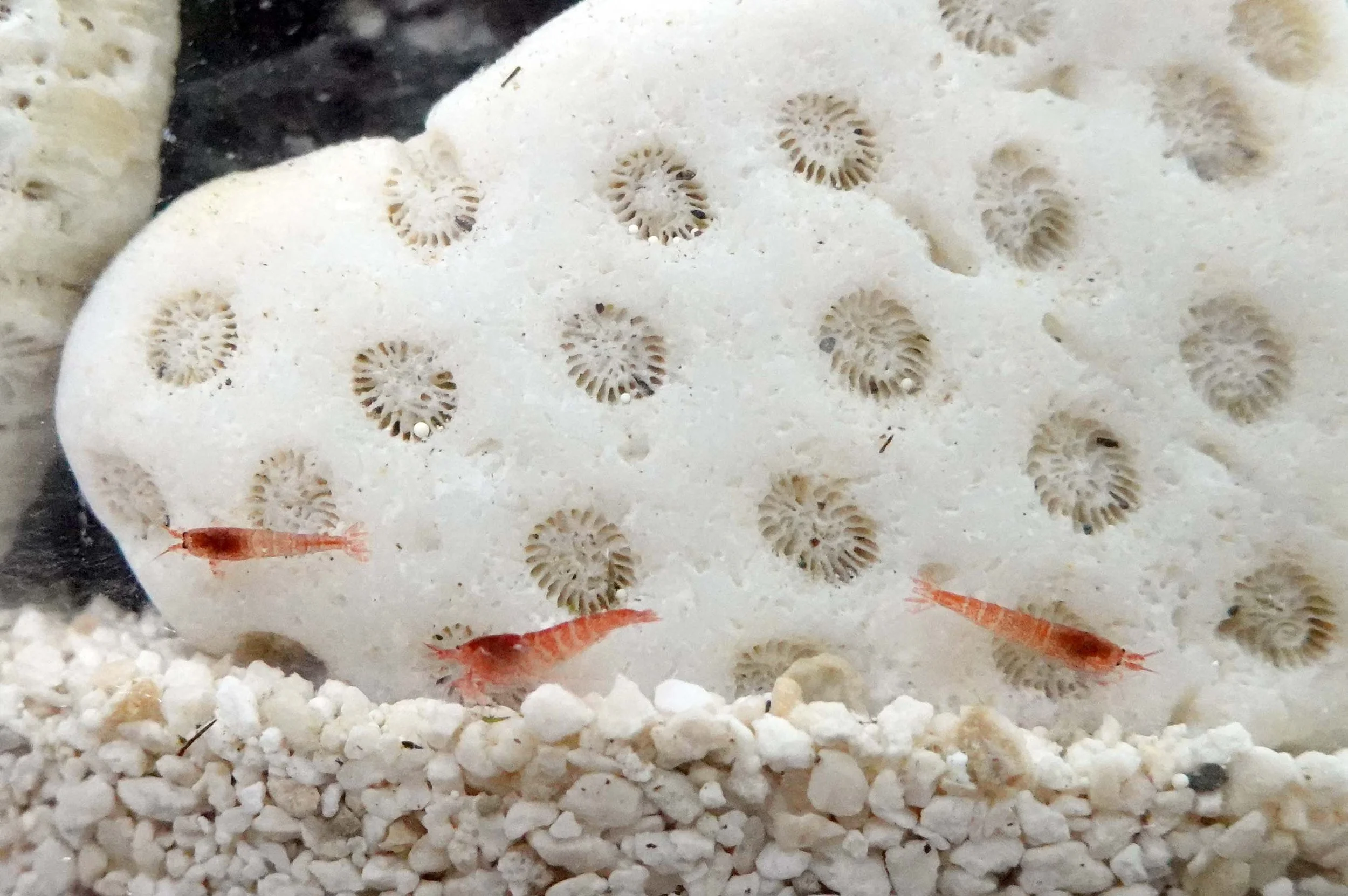
The vibrant red shrimp, Opae ula, is one of Hawaii’s most fascinating aquatic treasures. Known for its small size and striking color, Opae ula thrives in freshwater pools, streams, and specially designed home aquariums. These shrimp are not only visually captivating but also an excellent choice for anyone interested in creating self-sustaining shrimp ecosystems. In this article, we will explore everything you need to know about Opae ula, from their natural habitat to creating a thriving, low-maintenance aquarium environment.
Understanding Opae Ula
Opae ula are tiny Hawaiian shrimp, averaging about 1 to 1.5 centimeters in length. They are native to freshwater environments, particularly in the volcanic regions of Hawaii. Unlike many other shrimp species, Opae ula are extremely hardy and can survive in varying water conditions. Their bright red coloration is a hallmark feature, making them a popular choice for hobbyists who want both beauty and functionality in their aquariums.
The natural habitat of Opae ula is crucial to understand for anyone planning to maintain them in a self-sustaining system. These shrimp prefer slightly acidic to neutral pH levels and moderate temperatures ranging from 70°F to 80°F. They feed primarily on biofilm, algae, and small detritus, which makes them ideal for eco-friendly aquariums where they help maintain balance.
Benefits of Keeping Opae Ula
Keeping Opae ula offers numerous benefits. Firstly, they are low-maintenance, requiring minimal intervention once their ecosystem is established. Secondly, they contribute to a clean tank environment by consuming algae and leftover food. Thirdly, they are excellent for educational purposes, offering insights into aquatic ecology and the lifecycle of small freshwater species.
Moreover, Opae ula are ideal for beginners. Their resilience and adaptability make them forgiving for novice aquarists. Because of their ability to reproduce easily, they can sustain a population over time without frequent restocking. Observing the lifecycle of Opae ula, from eggs to fully grown shrimp, provides a rewarding experience for anyone interested in aquatic life.
Creating a Self-Sustaining Opae Ula Ecosystem
To build a thriving Opae ula ecosystem, you need to focus on three key components: water quality, habitat, and food sources. Proper water quality ensures their survival, while a well-designed habitat supports their natural behaviors. Providing appropriate food sources will allow Opae ula populations to flourish without additional human intervention.
Water Quality
Maintaining optimal water conditions is critical for Opae ula. Freshwater with a pH between 6.5 and 7.5 is ideal. These shrimp can tolerate a range of temperatures, but consistency is important to prevent stress. Filtration systems should be gentle, as strong currents can harm these delicate creatures. Regular water testing ensures that ammonia, nitrite, and nitrate levels remain safe.
Habitat Setup
A self-sustaining habitat for Opae ula should mimic their natural environment. Include rocks, live plants, and hiding spaces such as small caves. These features not only offer shelter but also encourage breeding. Sand or fine gravel substrate is ideal, as it allows shrimp to forage naturally. Live plants support the ecosystem by producing oxygen and providing surfaces for biofilm growth, which is a primary food source for Opae ula.
Food and Nutrition
While Opae ula feed on natural biofilm and algae, supplementing their diet can promote growth and reproduction. High-quality shrimp pellets, blanched vegetables, and occasional protein-based treats are suitable options. Avoid overfeeding, as uneaten food can disrupt water quality and harm the ecosystem. A balanced diet ensures that Opae ula remain healthy, active, and vibrant in color.
Breeding Opae Ula
Breeding Opae ula in a home aquarium is relatively straightforward if their environment is stable. They reproduce via eggs carried by females, which hatch into small, free-swimming larvae. A self-sustaining ecosystem allows these larvae to find enough food and shelter to grow into adults, creating a continuous population cycle. Observing Opae ula breeding behaviors can be fascinating, as males and females engage in delicate courtship rituals.
Common Challenges and Solutions
While Opae ula are resilient, there are some challenges to watch for. Poor water quality, sudden temperature changes, and overcrowding can stress shrimp and reduce their lifespan. To prevent these issues, regularly monitor water parameters and maintain a balanced population. Introducing plants and natural biofilm can alleviate stress and provide food sources.
Another common challenge is algae overgrowth. While Opae ula consume algae, excessive amounts may indicate an imbalance. Adjusting light exposure and nutrient levels can help maintain a healthy ecosystem for your shrimp.
Conclusion
Opae ula from Hawaii are not just visually stunning but also an excellent choice for anyone looking to create a self-sustaining shrimp ecosystem. Their adaptability, ease of care, and fascinating behavior make them ideal for both beginners and experienced aquarists. By maintaining proper water quality, providing a natural habitat, and offering a balanced diet, you can enjoy a thriving Opae ula population that continues to reproduce and enhance your aquarium environment.
With careful attention and dedication, Opae ula can transform any aquarium into a miniature Hawaiian ecosystem. Observing their behavior, breeding, and interaction with their environment offers endless enjoyment and education. For anyone passionate about aquatic life and eco-friendly ecosystems, Opae ula are a must-have addition to your home or office.